


Installing solar panels in 2026 is a practical way to lower electricity bills, reduce dependence on the grid, and use cleaner energy at home or on the go. Improvements in panel efficiency, durability, and system design have made solar more appealing than ever for homeowners, renters using portable options, and people who want backup power for outages or travel. At the same time, utility rates continue to climb in many areas, which makes generating your own electricity more valuable over time.
Whether you want a permanent rooftop system or a flexible portable setup, solar offers clear financial and environmental advantages. Understanding the biggest benefits in 2026 can help you decide whether this is the right year to make the switch and start getting more from every hour of sunlight.
Why 2026 Is a Great Time to Install Solar Panels
Lower Costs and Better Solar Technology
2026 stands out as a strong year to go solar because the value of modern systems has improved on both the cost and performance sides. Solar panels are more efficient than earlier generations, which means they can produce more electricity from the same amount of roof space or sunlight exposure. Better cell design, stronger materials, and improved weather resistance also help systems last longer and perform more reliably in real-world conditions. For buyers, this translates into better long-term returns and fewer compromises.
Installation processes have also become more streamlined, while product options now cover everything from full home systems to portable panels for camping, RV use, and backup charging. As a result, solar is no longer limited to one type of user. In 2026, more people can find a setup that fits their budget, energy goals, and available space without sacrificing quality or convenience.
Rising Energy Prices Make Solar More Valuable
Another major reason to install solar panels in 2026 is the continued pressure of rising electricity costs. When utility rates increase, every kilowatt-hour you generate yourself becomes more valuable. That makes solar a direct way to control a larger share of your energy spending instead of absorbing repeated rate hikes.
Over time, this can create meaningful savings, especially for households with high daytime energy use, home offices, electric appliances, or growing cooling demands in warmer months. Solar also helps make monthly energy costs more predictable, which is increasingly important for household budgeting.
Beyond savings, generating power at home supports greater resilience during grid instability and peak-demand periods. In practical terms, 2026 is a smart time to invest because the gap between buying utility power and producing your own continues to widen. The higher conventional energy prices climb, the faster solar can prove its everyday value.
Top Benefits of Installing Solar Panels
Save Money While Reducing Your Carbon Footprint
One of the biggest benefits of installing solar panels is that they lower your power bills while cutting emissions associated with traditional electricity generation. Once your system is producing energy, you rely less on grid power, which can reduce monthly costs and improve long-term energy savings.
For many households, that makes solar both a financial upgrade and a sustainability choice. Every unit of solar electricity used at home can offset power that would otherwise come from fossil-fuel-heavy sources, helping reduce your carbon footprint without changing daily routines dramatically.
Solar also adds value through quiet operation, low ongoing maintenance, and long service life. In 2026, these advantages are even stronger because today’s panels convert sunlight more efficiently and perform better in varied conditions. That means homeowners can generate more usable electricity from limited space and get stronger returns over the life of the system, all while supporting cleaner energy use in a practical, measurable way.
Gain More Energy Independence and Backup Power
Solar panels also give you more control over where your electricity comes from and how you use it. That increased energy independence matters when grid outages, severe weather, or local service disruptions affect normal power access.
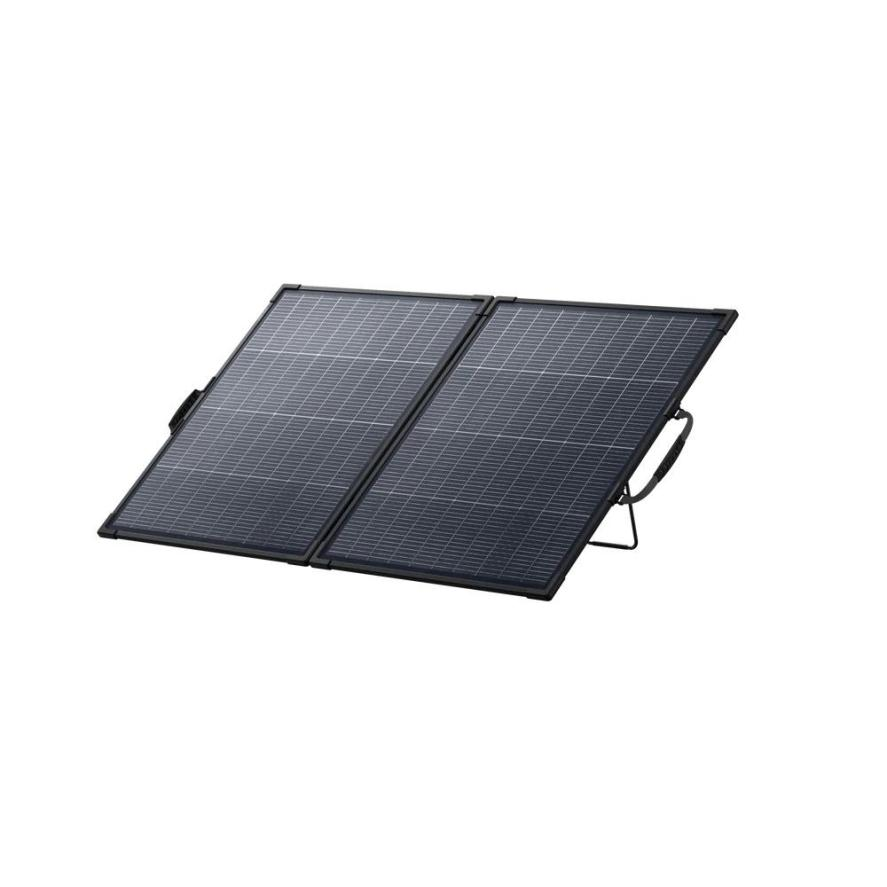
A home solar setup paired with storage can help keep essential devices running, while portable solar options offer flexible charging for outdoor use, emergency preparedness, and mobile lifestyles. For people who want a compact solution, the Anker SOLIX PS200 Bifacial Portable solar panel is designed for easy transport and efficient output.
It is now 10% lighter than the previous version at just 11 lb including the stand, and more than 30% lighter than typical 200W panels. It also offers up to 10% more power with dual-sided output, 25%+ conversion efficiency with next-gen N-type solar cells, an IP68 waterproof rating, and a 10-year lifespan backed by a 5-year warranty. These features make portable solar a realistic way to expand backup power options beyond fixed home installations.
How to Choose the Right Solar Panels for Your Needs
Key Features to Compare Before Buying
Choosing the right solar panels starts with matching the product to your actual energy needs and usage pattern. For home systems, compare panel efficiency, expected output, warranty coverage, durability, and available roof space. For portable systems, weight, folding design, setup speed, connector compatibility, and weather resistance matter just as much as wattage.
It also helps to consider where the panels will be used most often, since shading, heat, and reflective surfaces can affect performance. A strong solar purchase should balance power generation, portability or installation fit, and long-term reliability rather than focusing on a single spec alone.
Explore Portable and Home Solar Solutions from Anker SOLIX
Anker SOLIX offers solar solutions that fit both everyday energy support and more flexible portable use. For users who need charging power away from home or an emergency-ready option, portable panels can be especially useful because they store easily, deploy quickly, and work in places where rooftop systems are not practical.
The brand’s lineup is well suited to people who want dependable performance with user-friendly setup. When comparing options, look for products that combine high conversion efficiency, durable construction, and portability with clear warranty support. That approach helps ensure your solar investment is not only effective on paper but also convenient and reliable in real conditions.
Conclusion
The benefits of installing solar panels in 2026 are clear: lower energy costs, reduced emissions, better protection against rising utility prices, and more control over your power supply. Modern solar technology delivers stronger efficiency, improved durability, and more flexible options than ever before, making it easier to find a system that fits your home or lifestyle. Whether you want a full residential setup or a portable solution for backup power and travel, solar offers lasting value. If you have been considering the switch, 2026 is an excellent time to act and start turning sunlight into meaningful daily savings and greater energy independence.
