


Key Takeaways
- Build around your actual routine rather than every passing fragrance trend.
- Sample scents on skin before committing to a full bottle.
- Give each fragrance a practical role, such as work, weekends, travel, or evenings.
- Adjust your choice and application for weather, setting, and personal comfort.
- A small rotation that gets used is more valuable than a large collection that does not.
A personal fragrance wardrobe is a considered group of scents chosen for different moments in your life. Instead of asking one bottle to cover every season, occasion, and mood, you create a flexible rotation that makes getting ready feel more intentional.
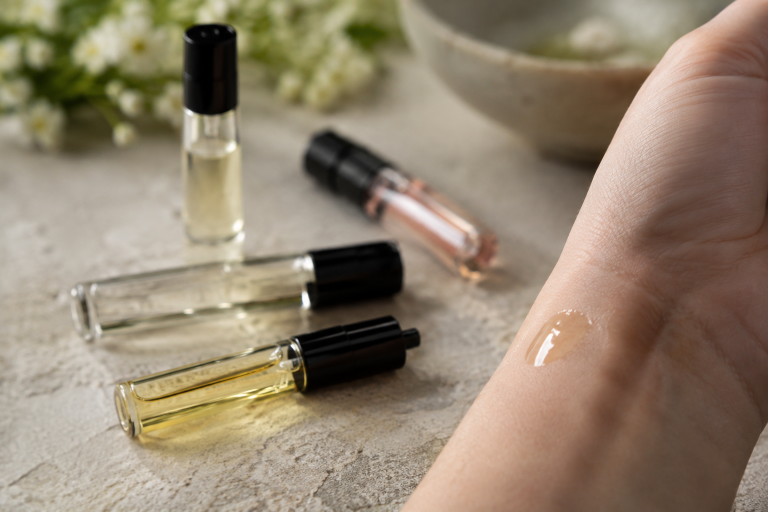
Discovery is the best place to start. A perfume discovery set can give you time with several compositions before you decide which style genuinely belongs in your routine. The aim is not to own the most bottles. It is to find fragrances you look forward to wearing.
What a Fragrance Wardrobe Means
Think of fragrance as you think of clothing. You may not wear the same outfit to a morning meeting, a humid outdoor afternoon, and a formal dinner. Scent works similarly. A wardrobe can contain only three bottles or many more, but each should offer a distinct reason to reach for it.
One person may prefer a single versatile scent plus a richer evening option. Another may enjoy changing fragrance with the season, destination, or mood. There is no required number. The useful measure is whether your collection makes daily choices easier and reflects how you actually live.
Why Sampling Comes Before Buying
A test strip is helpful for a first impression, but it cannot tell you how a fragrance will feel hours after it’s applied to your skin. Sampling lets you experience the opening, the middle stage, and the drydown, while also revealing whether the scent feels comfortable in your normal environment.
Sampling can also prevent duplicate purchases. As occasion-based fragrance wardrobes become more popular, it helps to identify the role a new scent would serve before buying it.
What Sampling Helps You Learn
The Main Roles in a Personal Scent Wardrobe
Use roles as a guide, not a shopping checklist. You may combine roles or skip those that do not fit your life.
1. The Everyday Scent
This is easy, comfortable, and suitable for errands, casual plans, and ordinary routines. It should be a fragrance you can wear repeatedly without needing a special occasion.
2. The Work or Close-Setting Scent
Shared spaces call for restraint. Choose something clean, polished, or soft enough to wear lightly in an office, car, classroom, or restaurant.
3. The Evening Scent
An evening choice may bring more warmth, woods, spice, amber, or sweetness. It does not need to be loud, but it should feel different from your daytime default.
4. The Seasonal Contrast and Wildcard
A bright warm-weather fragrance or a deeper cold-weather choice can keep a rotation balanced. A wildcard can be unusual, nostalgic, artistic, or challenging. Its job is simply to bring you joy.
How to Test Fragrance on Skin
- Begin with clean skin and avoid heavily scented body products.
- Test no more than two or three fragrances at once.
- Apply each scent to a different area and note the first impression.
- Check it again after one hour, then later in the day.
- Wear your strongest candidates on the second day before deciding.
Keep a simple scent journal with the date, weather, setting, first impression, comfort level, and how the fragrance smelled at 2 and 6 hours. Add the role it might fill. Notes like “pleasant but too strong for work” are more useful than a vague like or dislike.
How to Read Fragrance Notes
Note lists are clues, not exact predictions. Start with broad families: fresh scents often suggest citrus, green, watery, or airy effects; florals can be soft or lush; woods can be dry or creamy; amber tends to feel warm; musk may read clean or skin-like. The same note can smell completely different depending on the full composition.
Weather, Setting, and Application
Warm air can make a fragrance feel more noticeable, while cooler conditions may make it seem quieter or slower to develop. Match the application to the environment. Use a lighter hand in elevators, planes, offices, and small rooms, and reserve richer choices for outdoor evenings or cooler weather when they feel more comfortable.
When Layering Makes Sense
Layering is optional, not a requirement. It can create variety from a smaller wardrobe, especially when you pair scents with a shared note or a simple contrast. Current advice on building a more intentional collection often emphasizes thoughtful choices over constant additions.
- Start with two fragrances that each work well on their own.
- Use fewer sprays than normal for both.
- Try fresh and woody, floral and musky, or citrus and aromatic styles.
- Test the combination at home before wearing it to an event.
- Stop if the result becomes heavy, sharp, or confusing.
Common Buying Mistakes to Avoid
- Buying a full bottle after one quick spray.
- Purchasing solely because a fragrance is popular online.
- Confusing strong projection with better quality.
- Testing too many scents at once.
- Buying for an imagined lifestyle rather than your real schedule.
- Adding bottles that perform the same role as fragrances you already own.
A Simple 30-Day Scent Discovery Plan
Week One: Review What You Own
List every fragrance, identify the ones you wear most, and note why neglected bottles stay on the shelf.
Week Two: Find the Gaps
Choose one or two missing roles, such as a close-setting option or warm-weather scent. Set a spending limit before you sample.
Week Three: Test With Purpose
Try a small group from different scent families. Wear promising options for a full day and keep notes.
Week Four: Choose Carefully
Select the fragrance that best fills a real need. If two options feel similar, wait. A good bottle should earn its place through repeated wear.
Frequently Asked Questions
How Many Fragrances Should a Personal Wardrobe Have?
There is no ideal number. A few well-chosen scents can cover most routines, while a larger collection may suit someone who enjoys frequent variety.
Is a Discovery Set Worth Buying?
It can be worthwhile when the included styles match your interests, and you will give yourself time to test them. Samples are most useful when they inform a later decision.
Should Every Fragrance Smell Completely Different?
No. Some overlap is natural. The important question is whether each bottle offers a different experience, setting, or emotional pull.
Can One Fragrance Work for Every Occasion?
Some scents are highly versatile, but application still matters. A fragrance that works beautifully with one light spray may not suit every close setting when applied heavily.
Conclusion
A personal fragrance wardrobe grows through patience, curiosity, and honest attention to daily life. Sample before buying, give each scent a purpose, and leave room for personal taste. The result can be a small, useful collection that feels far more satisfying than a shelf of impulse purchases.
