

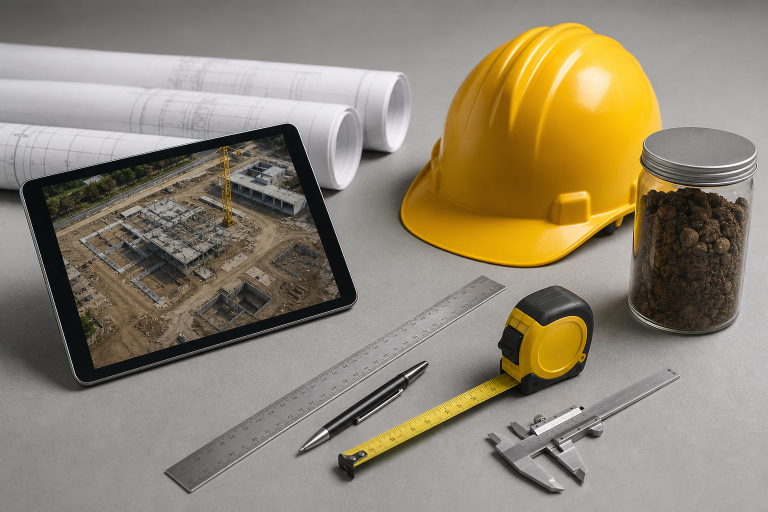
When a building, roadway, utility, or public infrastructure project raises structural questions, the first need is often a clear understanding of the site itself. Clients searching for a structural engineer Pueblo may also need geotechnical engineering, civil design, drainage planning, materials testing, or construction inspection before final structural decisions can be made.
Jesik Consulting & Engineering is a Pueblo-based firm serving Pueblo and Southern Colorado with geotechnical engineering consulting, civil engineering, project management, laboratory testing, drilling, and infrastructure-related services. The team can help owners, developers, contractors, municipalities, and design professionals define the site information and engineering scope required to move a project forward.
Start With a Coordinated Project Review
Structural engineering and geotechnical engineering are connected, but they serve different purposes. A structural engineer designs the load-carrying system of a building or structure, including elements such as beams, columns, walls, and framing. A geotechnical engineer evaluates the soil, rock, groundwater, slope conditions, and other subsurface factors that affect foundations and long-term site performance.
Jesik Consulting & Engineering can provide the geotechnical and civil information that supports coordination with the structural design team. A thorough geotechnical investigation may include surface observations, subsurface exploration, soil sampling, laboratory testing, and engineering recommendations tailored to the proposed work.
Rather than requesting a generic service, start by describing the project, the site, the current stage of planning, and any concerns already identified. This gives Jesik Consulting & Engineering the information needed to recommend an appropriate scope of investigation, design, testing, or construction support.
What to Include in Your Pueblo Engineering Request
A complete request helps the engineering team focus on the decisions that matter most. Before contacting Jesik Consulting & Engineering, gather as much of the following information as possible:
- Project address, jurisdiction, and property size.
- Whether the work involves new construction, an expansion, redevelopment, repair, or infrastructure improvements.
- Available surveys, concept plans, architectural drawings, prior reports, photographs, and construction documents.
- Proposed building size, number of stories, anticipated loads, roadway improvements, utilities, or drainage features.
- Known concerns include cracking, settlement, flooding, poor drainage, expansive soils, pavement failure, erosion, or slope movement.
- Desired design, bidding, construction, testing, or reporting schedule.
- Any known permitting requirements, agency standards, or special inspection needs.
Even if every detail is not available yet, an early conversation can identify missing information before final plans are issued or contractors begin major site work.
How Jesik Consulting & Engineering Supports the Project Life Cycle
Jesik Consulting & Engineering can support a project from early planning through construction. The process is built around project-specific data and practical recommendations rather than assumptions about what lies below the surface.
- Initial project review: The team reviews the project scope, site conditions, available records, anticipated schedule, and known risks.
- Investigation planning: Jesik Consulting & Engineering determines whether drilling, sampling, field observations, laboratory testing, civil design, drainage analysis, or inspections are appropriate.
- Data collection: In-house drilling, field services, and laboratory capabilities help collect information about subsurface conditions and construction materials.
- Engineering recommendations: The resulting work may address foundations, grading, drainage, pavements, slopes, utilities, or other site-related needs.
- Construction support: Testing, inspections, quality-control documentation, and field observations can help the project team verify work against applicable plans and specifications.
Match the Service to the Problem
Projects rarely fit neatly into one discipline. Jesik Consulting & Engineering helps clients connect the concern they have with the service that can address it.
- Unknown soil conditions: Geotechnical engineering and site investigations can provide information for foundation, grading, and construction planning.
- Development or redevelopment needs: Civil engineering can support site development, grading, drainage, utility layout, and infrastructure coordination.
- Runoff, erosion, or drainage concerns: Stormwater and drainage engineering can help evaluate water movement and plan effective site controls.
- Questions about concrete, asphalt, soil, or aggregate quality: Construction materials testing provides documented results for project quality requirements.
- Construction oversight needs: Field services, quality control, and special inspections can support documentation and timely identification of issues.
Why Early Geotechnical and Civil Input Matters
Site conditions can influence foundation type, earthwork quantities, drainage approaches, pavement design, utility installation, construction sequencing, and project budgets. Identifying relevant conditions early can help the project team make informed choices before changes become more difficult to manage.
This is particularly important for commercial facilities, industrial sites, municipal buildings, roads, access improvements, water and wastewater systems, drainage projects, schools, healthcare facilities, energy projects, and mining-related infrastructure. Public projects may also combine investigation, design coordination, testing, inspection, and documentation, as shown by the City of Los Angeles Bureau of Engineering Geotechnical Division’s support for capital and maintenance projects.
How Structural, Geotechnical, and Civil Engineering Work Together
Understanding each discipline’s role helps avoid gaps in planning:
- Structural engineering focuses on the structure itself, including the system that resists gravity, wind, seismic, and other design loads.
- Geotechnical engineering focuses on soil, rock, groundwater, bearing conditions, settlement, slopes, and foundation-related recommendations.
- Civil engineering focuses on site grading, drainage, stormwater, utilities, access, pavement, and infrastructure systems.
- Construction materials testing focuses on testing and documenting materials such as soils, concrete, asphalt, and aggregates during construction.
Jesik Consulting & Engineering provides the geotechnical, civil, laboratory, and field-service components of this coordinated process. When a project also requires structural design, the firm can help provide the site and subsurface information needed for effective coordination with the structural engineer.
Frequently Asked Questions
Can Jesik Consulting & Engineering help if I am looking for a structural engineer?
Yes. Jesik Consulting & Engineering can review the geotechnical, civil, testing, drainage, and field-service needs associated with the project. If structural design is required, the team can help define the site information that should be coordinated with the structural professional.
When should I contact an engineering consultant?
Contact Jesik Consulting & Engineering as early as possible, ideally before final design, bidding, or substantial site work begins. Early coordination gives the team more opportunity to identify investigation needs and support sound planning decisions.
Does Jesik Consulting & Engineering serve projects beyond Pueblo?
Jesik Consulting & Engineering serves Pueblo and Southern Colorado and supports projects in additional states, including New Mexico, Arizona, and Mississippi.
Begin With Reliable Site Information
A request for structural engineering support often starts with questions about the ground, drainage, site layout, construction materials, and infrastructure surrounding the structure. Jesik Consulting & Engineering gives Pueblo-area clients a practical starting point for geotechnical investigation, civil engineering, project management, testing, inspections, and construction support. Share the project location, proposed work, available documents, known concerns, and timeline to begin defining the right scope.
