


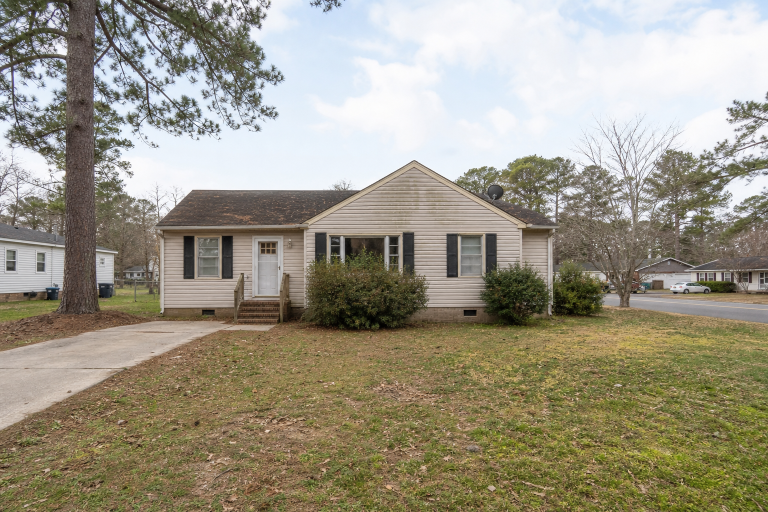
Selling a home in its current condition can be a practical choice when repairs feel too expensive, time is limited, or the property needs more work than a traditional buyer may accept. For a local example, https://www.brighthomeoffer.com/sell-my-house-fast-in-hope-mills-nc/ describes a direct-sale option for Hope Mills homeowners who want to sell without completing major updates.
An as-is sale does not have to mean accepting the first offer or rushing into a contract. The best path depends on the home’s condition, your financial goals, the amount of equity available, and how quickly you need to close. Comparing repair costs, likely sale proceeds, and contract terms can help you make a more confident decision.
What Selling As-Is Really Means
Selling as-is generally means the seller does not intend to complete repairs or improvements before closing. For homeowners considering an as-is sale, Bright Home Offer can be an option to explore when looking for a straightforward approach that does not require completing extensive updates first. The buyer agrees to purchase the property in its present condition, including visible wear and issues discovered later through inspections. That does not necessarily prevent the buyer from inspecting the home, requesting changes, or ending the deal if the contract provides due diligence or cancellation rights.
It is also important not to treat as-is as a shield against known defects. The North Carolina Real Estate Commission explains that an as-is listing does not eliminate inspection rights or permit misrepresentation. Sellers should be truthful about known material problems and avoid making promises they cannot support.
When Repairs May Be Worth the Cost
Not every repair produces a worthwhile return. Low-cost improvements such as deep cleaning, fresh, neutral paint, basic landscaping, replacing broken fixtures, and removing clutter can enhance first impressions without causing major delays. These projects may help a home attract more interest while keeping the seller’s budget under control.
Larger projects require more caution. Roof replacement, foundation work, plumbing repairs, heating and cooling replacement, mold remediation, or extensive remodeling can cost far more than expected. Before authorizing major work, estimate the repair cost, the probable increase in sale price, and the time needed to finish the project. Also include holding costs such as mortgage payments, property taxes, insurance, utilities, and maintenance.
A useful rule is to avoid a major renovation unless the likely gain in value clearly exceeds the full cost, risk, and delay. Sometimes, pricing the property realistically in its current condition is the more economical choice.
Three Ways to Sell a Property
- List with a real estate agent. Broad marketing may bring more potential buyers and stronger competition. In exchange, sellers should prepare for showings, negotiations, inspections, commissions, and a timeline that may be longer than expected.
- Sell without an agent. A for-sale-by-owner transaction can provide more control over communication and pricing. However, the owner must manage advertising, screening, contracts, deadlines, disclosures, and negotiations. A real estate attorney and closing professional can be especially valuable.
- Consider a direct cash sale. A cash offer may reduce financing uncertainty and be useful for a home that needs substantial work. It should still be evaluated carefully because convenience and speed do not automatically equal the highest net proceeds.
How Buyers Estimate an As-Is Offer
Buyers commonly start with recent sales of comparable nearby homes. They then adjust for location, square footage, layout, lot size, age, condition, and local demand. An investor may also estimate the property’s potential value after repairs, then subtract renovation costs, resale expenses, financing costs, and a margin for unexpected problems.
That process explains why two buyers may make very different offers on the same home. One buyer may plan to live there and value the neighborhood highly, while another may be focused on renovation risk and resale potential. Ask each serious buyer for a written offer that clearly states the price, earnest money deposit, repair assumptions, closing costs, fees, contingencies, and the proposed closing date.
What to Check Before Accepting a Cash Offer
Request proof that the buyer can access the funds needed to close. Find out whether the buyer is using personal funds, private financing, or funds from another party. You should also ask whether the buyer can assign the contract to someone else, since an assignment clause may mean the original buyer plans to find another purchaser.
Read every contingency closely. Inspection, title, appraisal, financing, and open-ended cancellation clauses can affect the offer’s reliability. Compare the expected net amount after liens, loan payoff, taxes, closing charges, concessions, and any buyer-requested credits. Before signing, consider having a North Carolina real estate attorney review the agreement.
Disclosure Duties for North Carolina Sellers
Careful, honest disclosure protects both sides. Known water damage, roof leaks, foundation movement, termite activity, flooding, unsafe systems, unpermitted work, and recurring drainage issues are examples of facts that can matter to a buyer. Rules can vary by property type, ownership structure, and seller status, so inherited homes, estate sales, foreclosures, and properties with liens may require individualized legal guidance.
Written disclosures create a useful record of what was communicated. If you do not know the answer to a question, do not guess. Document what you know, keep repair invoices when available, and avoid statements that could be interpreted as guarantees about the property.
The Main Steps From Offer to Closing
- Gather the deed, mortgage information, tax records, utility details, repair history, and association documents.
- Review the offer and calculate estimated net proceeds.
- Verify the buyer’s identity, funds, and closing professional.
- Complete inspections or due diligence are required by the contract.
- Resolve title issues, liens, unpaid taxes, judgments, or ownership questions.
- Review the settlement statement before signing the closing documents.
- Confirm how and when the sale proceeds will be released after closing.
Red Flags That May Signal a Bad Deal
Be cautious when someone pressures you to sign immediately, requests money upfront, will not provide proof of funds, changes the price at the last minute, or asks you to transfer the deed before payment is secured. Contracts that create a lengthy listing obligation, permit broad assignment rights, or include unclear fees deserve close review. North Carolina consumer guidance warns that signing over control of a home based only on promises can create serious risks.
Final Takeaway
An as-is sale can reduce repair work and help a homeowner move forward faster, but it still requires careful pricing, full contract review, honest disclosures, and buyer verification. Whether you list traditionally, sell independently, or accept a direct offer, compare speed, risk, and expected net proceeds before choosing the option that best fits your circumstances.
