


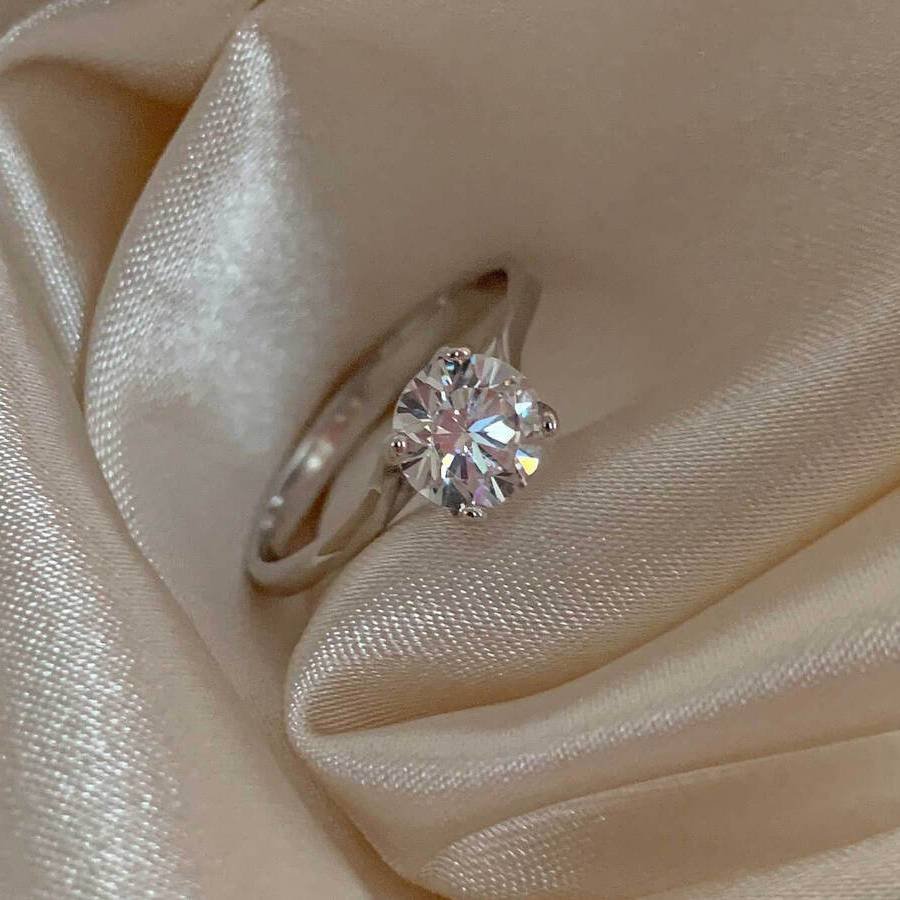
Key Factors in Selecting Engagement Rings
Finding the perfect engagement ring is an exciting, yet often daunting, step toward marriage. This small token carries immense meaning, symbolizing a lifetime of love and commitment. We understand the importance of this choice and aim to simplify the process for you.
In this guide, we will explore all aspects of selecting an engagement ring. We will cover diamond fundamentals, including the 4Cs, and guide you through popular styles and precious metals. We will also discuss the benefits of custom design and essential considerations like certification and care. Our goal is to help you confidently choose exquisite bridal and engagement rings that perfectly capture your unique love story.
Embarking on the journey to find an engagement ring is a significant milestone, and understanding the foundational elements that contribute to a diamond’s beauty and value is paramount. Our approach begins with comprehensive diamond education, empowering you to make an informed decision. The core of this education revolves around the universally recognized 4Cs framework: Cut, Color, Clarity, and Carat. These four characteristics are not merely technical specifications; they are the very essence of a diamond’s sparkle, brilliance, and overall appeal.
Beyond the 4Cs, we delve into the nuances of stone proportions, which dictate how effectively a diamond interacts with light. Even a diamond with excellent color and clarity can appear dull if its proportions are not optimized. We also emphasize the importance of aesthetic preferences, recognizing that each individual has a unique style. Whether your partner prefers classic elegance, modern minimalism, or vintage charm, the ring should resonate with their personal taste. Finally, we guide you through the practical aspect of budget allocation, helping you balance your financial comfort with your desires for the perfect symbol of your love. By considering these key factors, we ensure that your selection process is thoughtful, personalized, and ultimately successful.
Understanding Diamond Cut and Carat in Selecting Engagement Rings
The journey to selecting an engagement ring often begins with understanding the diamond itself, and among the “4 Cs,” diamond cut is arguably the most crucial factor determining a stone’s brilliance and fire. Many experts consider it the single most important characteristic because it dictates how well a diamond interacts with light. A well-cut diamond, regardless of its size or clarity, will sparkle with an unmatched intensity, while a poorly cut stone can appear dull and lifeless.
When evaluating cut, we look at several aspects, including the diamond’s proportions, symmetry, and polish. These elements combine to create a diamond’s light performance, which is graded on a scale that typically ranges from Excellent to Poor. An Excellent cut grade indicates that the diamond has been precisely faceted to maximize its brilliance, fire (the dispersion of light into rainbow colors), and scintillation (the flashes of light as the diamond moves). Key factors like the table percentage (the size of the top facet relative to the diamond’s diameter) and depth percentage (the diamond’s depth relative to its diameter) play a critical role in how light enters and exits the stone. An ideal cut allows light to enter through the table and crown, travel to the pavilion, and then reflect back out through the table to the observer’s eye, creating that coveted sparkle.
Carat weight, often mistakenly associated solely with a diamond’s physical size, actually refers to its weight. One carat is equivalent to 200 milligrams. While a higher carat weight generally means a larger diamond, the actual visible size can vary based on the diamond’s cut and shape. For instance, a well-cut diamond might appear larger than a poorly cut one of the same carat weight because its proportions allow for a wider spread. It’s also important to remember that carat weight increases the price exponentially, not linearly. For example, a 2-carat solitaire ring, a popular choice for those seeking a significant statement piece, would typically cost considerably more than two 1-carat diamonds of similar quality. In October 2026, a 2-carat solitaire ring with excellent cut, G color, and VS2 clarity might range from $25,000 to $45,000 or more, depending on market conditions and specific characteristics. For those looking for specific examples, an Art Deco 18K White Gold 0.45ct Old European Brilliant Cut Diamond Engagement Ring with 0.10cttw side diamonds was recently available for around $2,000, illustrating the wide range of options available for different budgets and styles. The choice between a larger carat weight and a superior cut often comes down to personal preference and budget, but we always recommend prioritizing cut for maximum visual impact.
Evaluating Color and Clarity When Selecting Engagement Rings
Beyond the brilliance of a diamond’s cut and the impact of its carat weight, two other critical factors significantly influence its overall beauty and value: color and clarity. Understanding these aspects is essential for making an informed decision when choosing your perfect engagement ring.
Diamond color refers to the absence of color in a diamond. The industry standard for grading diamond color is a scale developed by the Gemological Institute of America (GIA), which ranges from D (completely colorless) to Z (light yellow or brown). Diamonds in the D-F range are considered colorless, G-J are near-colorless, K-M are faint yellow, and so on. While completely colorless diamonds (D grade) are the rarest and most expensive, near-colorless diamonds (G-I) often present an excellent value. These stones appear colorless to the untrained eye, especially when mounted in white gold or platinum, and offer significant savings without compromising on visual appeal. The subtle yellow tints in lower grades become more noticeable, particularly in larger diamonds or certain settings. When selecting a diamond, we encourage you to view it in various lighting conditions and against different backgrounds to truly appreciate its color.
Diamond clarity measures the absence of inclusions (internal characteristics) and blemishes (external characteristics). Almost all diamonds contain some degree of these natural birthmarks, which are a result of the diamond’s formation deep within the Earth. The clarity scale ranges from Flawless (FL) to Included (I3):
- FL (Flawless): No inclusions or blemishes visible under 10x magnification. Extremely rare.
- IF (Internally Flawless): No inclusions visible under 10x magnification, only minor blemishes.
- VVS1, VVS2 (Very, Very Slightly Included): Inclusions are extremely difficult to see under 10x magnification.
- VS1, VS2 (Very Slightly Included): Inclusions are difficult to see under 10x magnification.
- SI1, SI2 (Slightly Included): Inclusions are noticeable under 10x magnification.
- I1, I2, I3 (Included): Inclusions are obvious under 10x magnification and may affect transparency and brilliance.
For most engagement rings, we recommend focusing on “eye-clean” diamonds. An eye-clean diamond is one whose inclusions are not visible to the naked eye. This often means selecting a diamond in the VS1 to SI2 range, which provides excellent value without sacrificing visual perfection. Common inclusion types include tiny crystals, feathers (small cracks), clouds (hazy areas), and needles. Blemishes might include minor scratches or pits on the surface.
Finally, we also consider fluorescence, which is the glow some diamonds emit when exposed to ultraviolet (UV) light. While most diamonds do not fluoresce, some emit a blue glow. In rare cases, strong fluorescence can make a diamond appear milky or oily, but for the vast majority, it has no noticeable effect on appearance in normal lighting conditions. Many Tucson jewelers are skilled in guiding you through these intricate details, ensuring you understand how each characteristic contributes to the diamond’s unique beauty and value.
Popular Diamond Shapes and Setting Styles
The shape of a diamond and the style of its setting are perhaps the most personal choices in engagement ring selection, reflecting individual taste and aesthetic preferences. While the 4Cs determine a diamond’s inherent quality, the shape and setting define its character and how it will be worn for a lifetime.
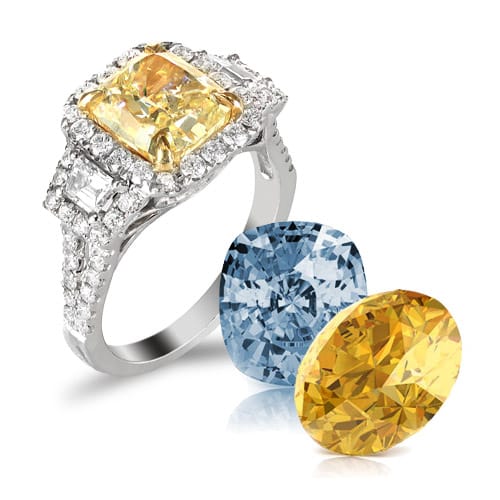
When considering diamond shapes, we find a diverse array of options, each with its unique charm:
- Round Brilliant: This is by far the most popular diamond shape, renowned for its unparalleled brilliance and fire. Its 58 facets are precisely cut to maximize light return, making it a timeless and versatile choice that complements almost any setting.
- Oval Cut: A graceful and elongated shape, the oval cut offers a similar brilliance to the round brilliant but with a distinctive, flattering silhouette. It can make fingers appear longer and more slender.
- Emerald Cut: Characterized by its rectangular shape with stepped facets and cut corners, the emerald cut exudes sophistication and elegance. It creates a “hall of mirrors” effect, showcasing the diamond’s clarity beautifully.
- Princess Cut: A contemporary and popular choice, the princess cut is square or rectangular with sharp, pointed corners and brilliant-cut facets. It offers excellent sparkle and a modern aesthetic.
- Cushion Shape: With its softened square or rectangular shape and rounded corners, the cushion cut combines the brilliance of a round diamond with a romantic, vintage appeal.
- Other popular shapes include the elegant pear, the striking marquise, the geometric Asscher, and the vibrant radiant cuts, each offering a distinct personality.
Once you’ve chosen a diamond shape, the setting style plays a crucial role in enhancing its beauty and securing it for daily wear:
- Solitaire Settings: This classic and enduring style features a single diamond, allowing it to be the undisputed focal point. The simplicity of a solitaire setting highlights the diamond’s brilliance and beauty without distraction.
- Halo Designs: A halo setting encircles the center diamond with a frame of smaller, pavé-set diamonds. This popular style not only adds significant sparkle but also makes the center stone appear larger, creating a magnificent visual impact.
- Three-Stone Rings: Symbolizing the past, present, and future of a couple’s journey, a three-stone ring features a larger center diamond flanked by two smaller diamonds. This meaningful design offers both elegance and sentiment.
- Vintage Styles: For those who appreciate history and intricate artistry, vintage-inspired settings often feature ornate filigree, milgrain detailing, and delicate engravings reminiscent of bygone eras. These designs offer a unique, one-of-a-kind feel.
- Other popular settings include pavé (where small diamonds are set closely together, creating a continuous surface of sparkle), channel (where diamonds are set flush within a metal channel, offering a smooth surface), and bezel (where the metal completely encircles the diamond, providing maximum security and a modern look).
Many local jewelers in Tucson offer a wide array of these shapes and styles, ensuring you can find a ring that perfectly matches your partner’s personality and your shared vision.
Choosing the Ideal Precious Metal
The choice of precious metal for an engagement ring is as significant as the diamond itself, influencing the ring’s overall aesthetic, durability, and how it complements the wearer’s skin tone. We guide you through the most popular options, each offering distinct advantages.
Platinum stands out as a premium choice, highly valued for its natural white luster, exceptional durability, and hypoallergenic properties. It is a dense and strong metal, making it ideal for securing diamonds. Unlike white gold, platinum is naturally white and will not change color over time, requiring less maintenance to retain its pristine appearance. Its rarity and purity also contribute to its higher price point.
Gold remains a classic and versatile option, available in various karats and colors:
- 14k Gold: This is a very popular choice for engagement rings, offering an excellent balance of durability and value. Composed of 58.3% pure gold, it is harder and more resistant to scratches than 18k gold, making it suitable for daily wear.
- 18k Gold: Containing 75% pure gold, 18k gold offers a richer, more vibrant color than 14k gold. While slightly softer, its higher gold content is often preferred for its luxurious feel and appearance.
- Yellow Gold: The most traditional and classic gold color, yellow gold has a warm, inviting hue that beautifully complements diamonds, particularly those with a warmer color grade. It is a timeless choice that has seen a resurgence in popularity.
- White Gold: A popular alternative to platinum, white gold is created by alloying pure gold with white metals like palladium and silver, and then typically plated with rhodium to achieve a bright, silvery-white finish. Over time, the rhodium plating can wear off, revealing a slightly yellowish tint, necessitating re-plating every few years to maintain its luster.
- Rose Gold: This romantic and distinctive metal derives its beautiful pinkish hue from an alloy of pure gold and copper. Rose gold offers a unique, vintage-inspired aesthetic that has become increasingly fashionable. Its durability is comparable to yellow gold.
When considering metal durability, platinum is generally the most durable for holding diamonds securely, as it is very dense and resistant to wear. Gold alloys, particularly 14k, are also very durable for everyday use. Your choice of metal should align with your partner’s lifestyle, skin sensitivities, and personal style. Many Tucson jewelers offer all these precious metal options, and their experts can help you compare them side-by-side to find the perfect match for your chosen diamond.
Lab-Grown vs. Natural Diamonds
One of the most significant developments in the diamond industry in recent years has been the rise of lab-grown diamonds, offering an compelling alternative to traditional natural diamonds. When choosing an engagement ring, understanding the distinctions and similarities between these two options is crucial for making a decision that aligns with your values and budget.
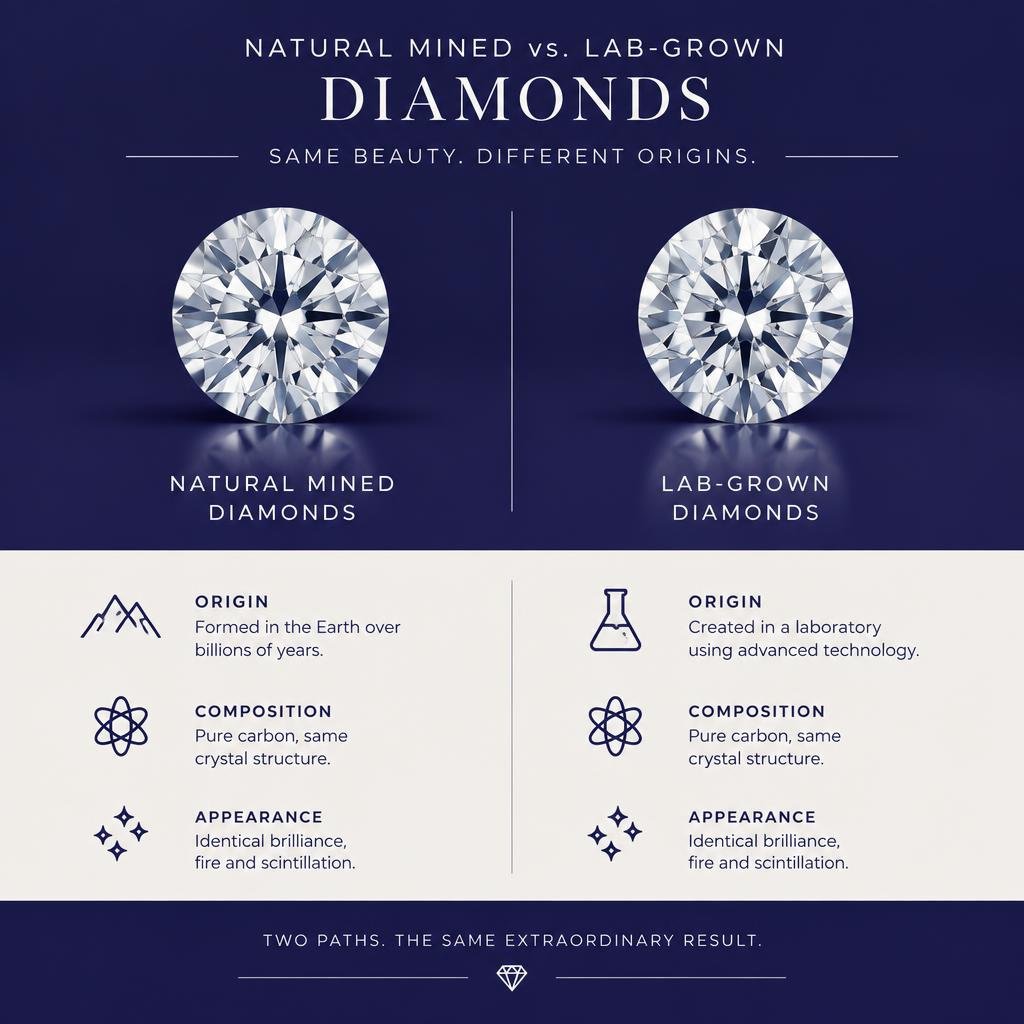
At a fundamental level, lab-grown diamonds are chemically, physically, and optically identical to natural mined diamonds. Both consist of pure carbon atoms arranged in a crystal lattice structure. The key difference lies in their origin: natural diamonds are formed deep within the Earth over billions of years through intense heat and pressure, while lab-grown diamonds are created in controlled laboratory environments using advanced technological processes that replicate these natural conditions, typically High-Pressure/High-Temperature (HPHT) or Chemical Vapor Deposition (CVD) methods.
Here’s a comparison of key aspects:
- Optical Properties: Both types of diamonds exhibit the same brilliance, fire, and scintillation. An expert gemologist with specialized equipment can distinguish between them based on subtle growth patterns, but to the naked eye, they are indistinguishable.
- Chemical Composition: As mentioned, both are 100% carbon and possess the same atomic structure.
- Price Differentials: Generally, lab-grown diamonds are significantly more affordable than natural diamonds of comparable size and quality. This price advantage allows buyers to acquire a larger or higher-quality stone for their budget, making a more substantial statement without overspending. For example, a 2-carat lab-grown diamond with excellent cut, G color, and VS2 clarity might be priced considerably lower than its natural counterpart, potentially in the range of $8,000 to $15,000 in October 2026.
- Long-Term Value: The long-term value and resale market for lab-grown diamonds are still evolving. While natural diamonds have a well-established resale market, the newer lab-grown market is less predictable. However, for many, the initial cost savings and the emotional value of the ring outweigh future resale considerations.
- Sustainability Metrics: Lab-grown diamonds are often marketed as a more sustainable and ethical choice, as their production avoids the environmental impact and potential ethical concerns associated with traditional diamond mining. However, the energy consumption of diamond-growing facilities is also a factor to consider, and the industry is continuously working towards more sustainable practices. Natural diamonds, when sourced responsibly, can also contribute positively to local economies and communities.
The decision between a lab-grown and a natural diamond is deeply personal. It often comes down to priorities: budget, perceived value, and ethical or environmental considerations. Many reputable jewelers in Tucson offer both natural mined and lab-grown diamonds, allowing you to compare options side-by-side and choose the one that best suits your preferences. They can provide detailed information on both, including specific certifications for lab-grown diamonds, ensuring transparency in your purchase.
Custom Design and Personalization Options
For those seeking a truly unique and meaningful engagement ring, custom design and personalization options offer an unparalleled opportunity to create a piece that perfectly reflects your partner’s personality and your shared love story. We believe that an engagement ring should be as individual as the love it represents.
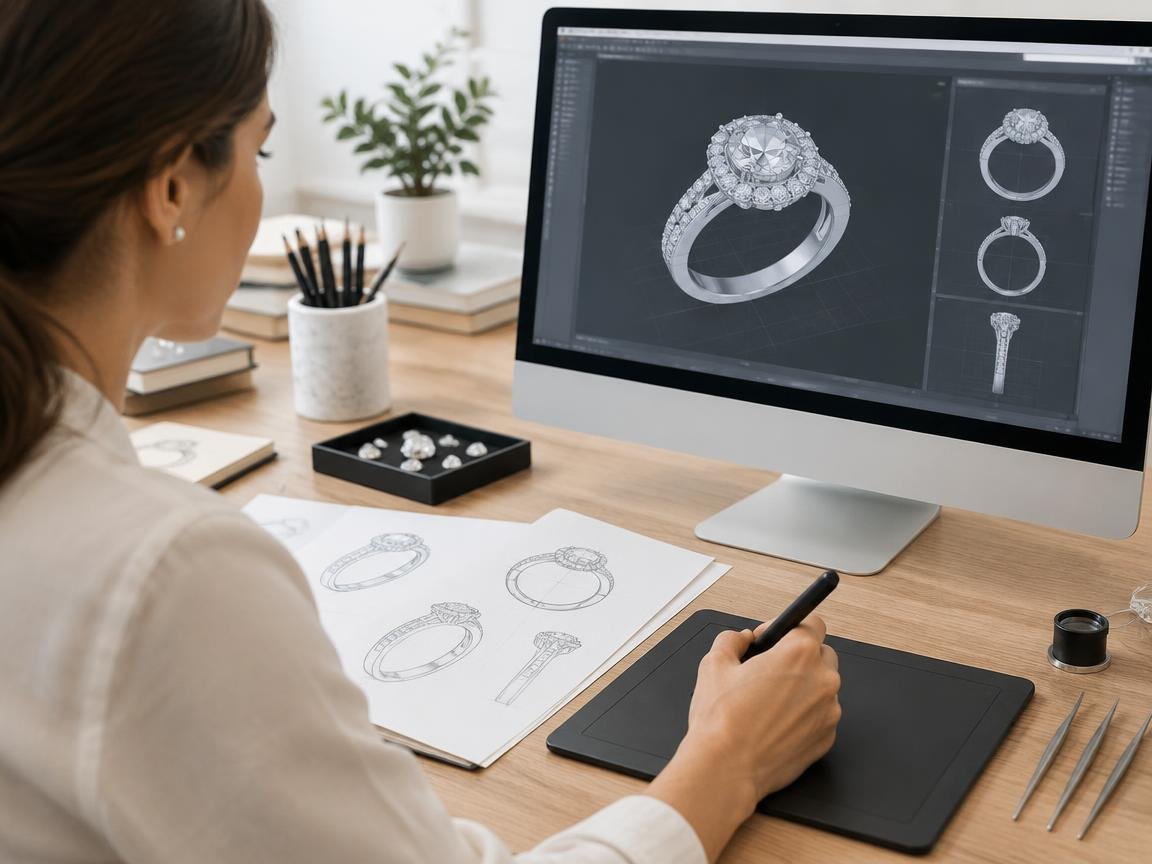
The journey of custom design often begins with custom CAD (Computer-Aided Design). This technology allows us to transform your vision into a detailed 3D rendering. You can review the design from every angle, making adjustments to the smallest detail, such as prong style, band width, or diamond orientation, before any metal is cut. This ensures that the final piece perfectly matches your expectations.
Bespoke settings take personalization a step further, crafting a ring entirely from scratch based on your unique specifications. Whether you envision a modern, minimalist design or an intricate, art-inspired piece, a bespoke setting ensures that every element, from the metalwork to the diamond placement, is tailored precisely to your desires. This process allows for complete creative freedom, resulting in a truly one-of-a-kind ring.
For those with sentimental ties, heirloom redesign offers a beautiful way to honor family history. We can repurpose existing diamonds or gemstones from an older piece of jewelry, perhaps a family heirloom, into a contemporary design. This not only breathes new life into cherished stones but also creates a ring with profound personal significance, blending tradition with modern aesthetics.
Adding gemstone accents is another popular way to infuse personality into an engagement ring. While diamonds remain the center of attention, incorporating birthstones, favorite colors, or symbolic gemstones can add a unique splash of color and meaning. Sapphires, rubies, emeralds, or even more unconventional choices can be seamlessly integrated into the design, creating a stunning contrast or a subtle personal touch. Some local artisans even explore unique regional elements, such as subtle incorporations of local turquoise alongside diamonds, creating a truly distinctive Tucson-inspired piece.
This level of personalization is a hallmark of dedicated jewelers. With custom design, you’re not just buying a ring; you’re co-creating a symbol of your love, ensuring it is as distinctive and special as your relationship. Many local jewelers offer comprehensive custom design services, guiding you through every step from initial sketch to the final polished piece.
Diamond Certification, Warranties, and Maintenance
Acquiring an engagement ring is a significant investment, both financially and emotionally. Therefore, understanding the crucial aspects of diamond certification, warranties, and ongoing maintenance is paramount to protecting your purchase and ensuring its lasting beauty. We believe that transparency and security are key to a confident and joyful ownership experience.
The cornerstone of any diamond purchase is its certification. An independent grading report from a reputable gemological laboratory provides an unbiased assessment of the diamond’s 4Cs (Cut, Color, Clarity, Carat). The GIA (Gemological Institute of America) certification is widely recognized as the industry’s most respected and authoritative grading report. A GIA certificate offers a detailed analysis, including precise measurements, facet diagrams, and a plot of the diamond’s inclusions and blemishes. Other reputable labs, such as IGI (International Gemological Institute), also provide comprehensive reports. These certifications are crucial for verifying the diamond’s quality and ensuring you receive exactly what you pay for. Always insist on a certified diamond, as it provides peace of mind and protects your investment.
Beyond certification, obtaining appraisal documents is essential. An appraisal is a formal valuation of your ring, typically performed by an independent gemologist, stating its estimated retail replacement value. This document is vital for jewelry insurance, which we strongly recommend. Insurance protects your investment against loss, theft, or damage, offering invaluable security for such a precious item. Many policies cover accidental damage and even loss, ensuring that your symbol of love is protected for years to come.
Proper maintenance is key to preserving your engagement ring’s sparkle and integrity. Regular care includes:
- Routine Cleaning: We advise cleaning your ring at home regularly with a soft brush, mild soap, and warm water to remove daily grime and oils. Many jewelers also offer professional cleaning services, which can restore its original brilliance.
- Prong Inspection: Over time, the tiny metal prongs that hold your diamond in place can wear down or become loose. We recommend having your ring professionally inspected at least once a year by a trusted jeweler. This prong inspection ensures the diamond remains securely set, preventing potential loss.
- Preventative Care: Avoid wearing your ring during strenuous activities, heavy lifting, or when handling harsh chemicals, as these can damage the metal or loosen the diamond.
Reputable Tucson jewelers not only provide certified diamonds and assist with appraisals but also offer comprehensive warranties and maintenance services. These services often include complimentary cleaning, annual inspections, and sometimes even lifetime warranties against manufacturing defects, providing ongoing support and peace of mind for your cherished engagement ring.
Frequently Asked Questions About Engagement Rings
Navigating diamond shopping can bring up a myriad of questions. We’ve compiled answers to some of the most frequently asked questions to serve as a quick buyer guide and help you feel more confident as you search for the perfect ring.
How much should you spend on an engagement ring?
This is one of the most common and often anxiety-inducing questions. The traditional guideline of spending “two months’ salary” is largely a marketing construct from decades past and should not be seen as a rigid rule. We encourage you to set a budget that feels comfortable and responsible for your personal financial situation. The most important aspect is the sentiment behind the ring, not its price tag.
Many factors influence the cost, including the 4Cs, metal choice, and design complexity. For instance, a 2-carat solitaire ring could range from $25,000 to $45,000 for a natural diamond, or significantly less for a lab-grown alternative. What truly matters is choosing a ring that you can afford without undue financial strain. Many reputable jewelers offer flexible financing options to help make your dream ring a reality, allowing you to spread the cost over time. Focus on finding a ring that symbolizes your commitment beautifully within your means.
How do you discreetly find your partner’s ring size?
Surprise proposals are wonderful, but they do present the challenge of figuring out ring sizing without giving away the secret. Here are a few stealth measurement tips:
- Borrow a Ring: The most common method is to discreetly borrow one of your partner’s rings (one they wear on their ring finger) and take it to a jeweler to be sized. Be sure it’s a ring they wear on the correct finger, as finger sizes can vary.
- Ask Friends or Family: Enlist the help of a close friend or family member who might know their size or can subtly ask without arousing suspicion.
- Trace or Press: If borrowing isn’t an option, you can try tracing the inside of one of their rings on a piece of paper or pressing it into a bar of soap. While less precise, it provides a starting point.
- “Try on” Rings: Casually suggest trying on rings together while browsing jewelry stores, perhaps for a different occasion, and take note of what fits.
It’s often better to err on the side of slightly too large rather than too small, as resizing a ring to be smaller is usually easier than making it larger. Most jewelers offer complimentary resizing after the purchase.
What is the most durable diamond shape for daily wear?
When considering daily durability, the round brilliant cut is often cited as the most durable diamond shape. Its lack of sharp corners makes it less prone to chipping or snagging compared to shapes like the princess or marquise cuts, which have pointed tips that can be vulnerable to impact.
Beyond the diamond shape, the setting style plays a crucial role in protecting the stone. Bezel settings, where the metal completely encircles the diamond, offer maximum protection by shielding the girdle (the diamond’s widest edge) from everyday bumps and knocks. While a classic prong setting is also very secure, a bezel provides an extra layer of defense, making it an excellent choice for individuals with active lifestyles or those who prefer a low-maintenance ring. A combination of a durable diamond shape and a protective setting will ensure your engagement ring withstands the rigors of daily wear for years to come.
Conclusion
Selecting the perfect engagement ring is a journey filled with excitement, emotion, and important decisions. We’ve explored the fundamental elements that contribute to a diamond’s beauty and value, from the critical 4Cs of Cut, Color, Clarity, and Carat, to the diverse array of diamond shapes and setting styles available. We’ve also delved into the characteristics of precious metals, compared natural and lab-grown diamonds, and highlighted the unique possibilities of custom design and personalization.
As you conclude your search, we encourage you to use this guide as a decision checklist. Prioritize what matters most to you and your partner, whether it’s the brilliance of a perfectly cut diamond, the sentiment of a custom design, or the value of a lab-grown stone. Remember the importance of certification, insurance, and regular maintenance to protect your cherished investment.
The true lifetime value of an engagement ring lies not just in its material worth, but in its profound personal significance as a symbol of your enduring love and commitment. It’s a tangible representation of a promise, a memory, and a future together. When you’re ready to make this momentous purchase, we recommend seeking the guidance of local experts. Tucson’s expert jewelers are dedicated to providing personalized service, ethical sourcing, and high craftsmanship, ensuring that your choice is informed, confident, and truly special. We are here to help you find that perfect ring that will sparkle for a lifetime.
