


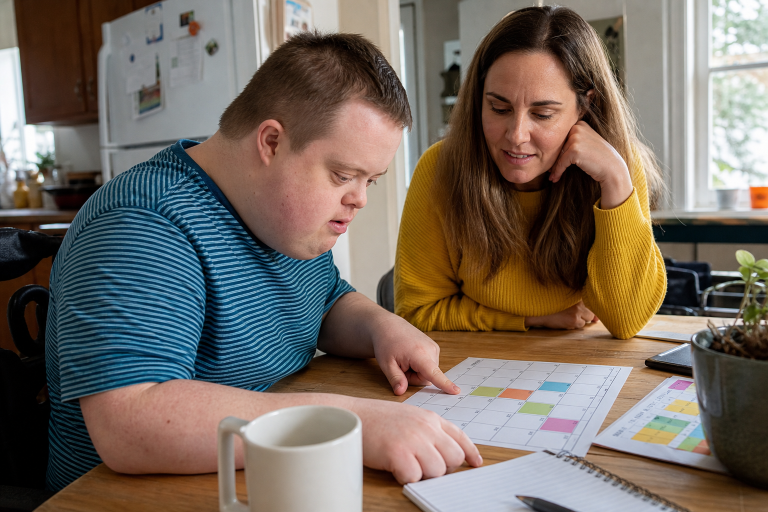
A well-planned week can give adults with disabilities more than a way to pass the time. It can create opportunities to practice skills, enjoy preferred activities, build relationships, and participate in everyday life. Families, caregivers, and staff can also explore disabled adult day programs when a person wants structured support, community access, and meaningful daytime engagement.
The goal is not to fill every hour or create a rigid routine. A strong plan should help a person feel prepared while leaving room for choice, changing energy levels, appointments, weather, and new opportunities.
Why A Weekly Plan Can Make Daily Life Easier
Knowing what is likely to happen can reduce uncertainty and make transitions easier. A visual calendar, a written schedule, a phone reminder, or a simple conversation at breakfast can help someone prepare for errands, appointments, social events, and preferred activities. Start with familiar anchors, such as a morning routine or a regular lunch, then add one manageable new experience each week.
Start With The Person, Not The Calendar
Planning should begin with the adult’s preferences, goals, communication style, and comfort level. Ask what feels fun, useful, relaxing, challenging, or worth trying. Find out which places feel welcoming, who the person enjoys seeing, and what would make daily life more independent. Use pictures, gestures, communication devices, plain language, or choice boards when they make participation easier.
Age-appropriate planning matters. An adult may enjoy music, sports, photography, cooking, gaming, gardening, volunteering, shopping, local events, or quiet hobbies. Support should reflect those interests rather than defaulting to activities chosen solely because they are convenient or familiar to others.
Build A Balanced Weekly Schedule
A balanced week includes different kinds of experiences. Variety can prevent boredom and help skills transfer from one setting to another.
- Daily living: Cooking, laundry, cleaning, personal care, and meal planning.
- Community life: Grocery shopping, library visits, transportation practice, and local events.
- Social time: Shared meals, clubs, games, phone calls, or visits with friends.
- Wellness and creativity: Walking, stretching, dance, art, music, writing, or outdoor recreation.
- Work and learning: Volunteering, job skills, reading, computer practice, and budgeting.
- Rest: Quiet time, sensory breaks, preferred hobbies, and unstructured downtime.
Use A Simple Five-Step Planning Method
- Choose two or three goals. Keep the focus realistic for one week.
- Match goals to real activities. Practice money skills while buying groceries or communication while ordering lunch.
- Add preferred interests. Enjoyment is a valid and important part of a meaningful schedule.
- Plan supports. Consider transportation, mobility, communication, sensory needs, safety, and staffing.
- Review together. Ask what worked, what felt difficult, and what should change next week.
Make Community Activities Part Of Normal Life
Community participation is most useful when it involves real places and responsibilities. Returning library books, shopping for ingredients, visiting a park, ordering at a restaurant, or volunteering can combine planning, communication, safety, money management, and problem-solving into a single outing. Research on community integration and inclusion of people with intellectual disabilities also highlights how a good match among the person, the activity, and the people in the group can support a sense of belonging.
Keep Activities Flexible And Age-Appropriate
Offer two or three options rather than assigning every activity. Create a Plan A and Plan B for outings, such as a park visit if the weather is pleasant and an art activity or library trip if it is not. A person may also need to decline an activity, take a break, or leave early. Those decisions can be meaningful examples of self-advocacy.
Support Social Connection Without Pressure
Friendships often grow through shared interests, repeated contact, and low-pressure opportunities to interact. Small groups may feel more comfortable than large events. Practice greeting others, taking turns, asking questions, making phone calls, or working on a shared project. A PBS report on life skills, social skills, and community participation shows how these goals can be combined in day habilitation settings.
Adapt Activities To Support Different Needs
Adaptations should make participation more accessible, not remove the person from the activity. Break large tasks into short steps. Use visual schedules, demonstrations, timers, labels, adaptive tools, quiet spaces, and planned breaks. Consider mobility, hearing, vision, communication, sensory, and behavioral needs before an outing. Provide enough assistance for success, but avoid completing tasks that the person can practice independently.
Track Progress In Practical Ways
Success is not the number of activities completed. Look for useful changes that matter to the person, such as making a choice, using fewer prompts, trying a new place, following a safety rule, starting a conversation, or returning to a task after a break. Keep short weekly notes that are easy for the person, family, and support team to review.
A Sample Weekly Framework
- Monday: Meal planning, grocery shopping, and a preferred hobby.
- Tuesday: Exercise, communication practice, and a small social activity.
- Wednesday: Volunteer work, job exploration, or a community outing.
- Thursday: Cooking, budgeting practice, and quiet recreation.
- Friday: A choice-based outing, weekly review, and time with friends or family.
Questions To Ask Each Week
- Does this schedule reflect the person’s interests and adult goals?
- Are there enough opportunities to make meaningful choices?
- Does the week include familiar routines as well as something new?
- Are transportation, accessibility, and support needs addressed?
- Does the person appear comfortable, engaged, and respected?
Conclusion
A meaningful weekly plan should support independence, enjoyment, friendship, community life, and time to recharge. Review it regularly, keep what works, and adjust what does not. When adults with disabilities help shape their own schedules, everyday activities can become practical steps toward greater confidence, choice, and connection.
