


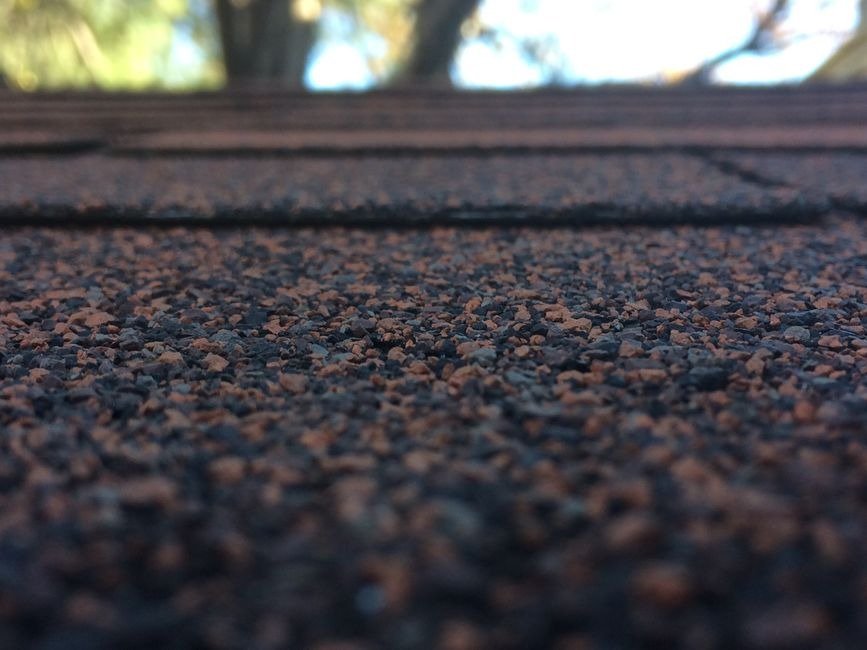
Your roof rarely asks for attention politely. It usually sends hints first: a damp ceiling spot, a missing shingle after a windy night, or a spike in your energy bill that feels slightly rude. If you live in a place like Olympia, where heavy rain and moss-friendly conditions are part of the deal, roof wear can move faster than you expect. Knowing what to watch for helps you act before a small problem turns into a budget-eating mess.
The local climate can shorten a roof’s lifespan faster than you think
Roofs do not age in a vacuum. They age in weather. In Olympia, constant moisture, wind-driven rain, tree debris, and moss growth create conditions that wear roofing materials down in very specific ways. Homes surrounded by shade often hold moisture longer, which increases the chance of rot and algae issues.
If you’re comparing repair versus replacement, local experience matters. A contractor familiar with regional weather patterns can spot issues that a general checklist might miss. For homeowners in Olympia roof replacement is a convenient option because of local contractors who understand what to do. They may also need updated flashing, improved ventilation, or replacement decking in moisture-prone sections.
A climate-aware inspection should account for:
– Drainage performance
– Moss and algae conditions
– Vent placement
– Tree coverage over the roof
– Signs of hidden wood damage
Regional wear is not cosmetic. It changes how the whole system performs.
Your roof has an age limit, even if it still looks decent
A roof can look fine from the driveway and still be close to retirement. Most asphalt shingle roofs last around 20 to 30 years, while metal, tile, and cedar each have different lifespans. Weather, ventilation, installation quality, and maintenance all affect that timeline.
If you bought your home years after it was built, check the inspection report or permit history to estimate the roof’s age. You can also ask a roofing contractor for an assessment. In wet climates, roofing materials often age harder than they age gracefully.
A few signs an older roof may be nearing replacement:
– Shingles that look brittle or thin
– Widespread discoloration
– Repeated leak repairs
– Granules collecting in gutters
– Flashing that has started separating
At a certain point, patching becomes a subscription plan you never wanted.
Water stains inside your home usually mean the problem is already advanced
A brown ceiling stain is not an early warning. It’s a delayed announcement. By the time water shows up indoors, moisture may have already moved through underlayment, decking, insulation, and drywall.
Check your attic if you have access. Look for dark wood, moldy smells, damp insulation, or sunlight peeking through roof boards. Even small leaks deserve attention because water rarely stays in one neat little area. It travels, spreads, and quietly upgrades itself into structural damage.
You should pay close attention to:
– Ceiling spots after rain
– Bubbling paint near upper walls
– Drips around vents or chimneys
– Musty odors in attic spaces
– Sagging drywall
If several leak issues keep showing up in different areas, a full replacement may make more financial sense than stacking repair after repair.
Shingle damage tells you a lot about the bigger system
Shingles are the roof’s outermost layer, so damage there is often easy to spot. Look for curled corners, cracks, missing sections, or areas where the surface granules have worn away. A few isolated shingles may only need minor repairs, but widespread damage across the roof can indicate that the roofing system is nearing the end of its useful life.
Take a look from the ground with binoculars instead of climbing up there and starring in your own avoidable accident report. Uneven roof lines, patchy color, and exposed underlayers all matter.
Watch for these red flags:
– Curling or cupping shingles
– Cracks across multiple rows
– Bare spots where granules are gone
– Shingles lifting in wind
– Moss growth pushing materials apart
If your area gets regular rain and shade, moss can trap moisture against the roof surface. That’s bad news with a green costume on.
Rising energy bills can point to roofing problems, not just HVAC issues
Most people blame heating and cooling systems first when utility bills jump. Fair enough. Still, a failing roof can also make your home harder to regulate. If moisture has damaged insulation or poor ventilation is trapping heat in the attic, your HVAC system has to work harder.
A roof replacement sometimes improves more than weather protection. It can also help restore ventilation balance and reduce temperature swings inside the house. That matters in both summer and winter, especially in regions with damp, chilly seasons.
Signs your roof may be affecting efficiency include:
– Hot or cold upstairs rooms
– Attic condensation
– Ice dam issues in colder weather
– Sudden heating cost increases
– Poor airflow near roof vents
When evaluating long-term costs, energy performance deserves a seat at the table, not a folding chair in the corner.
Replacing at the right time can cost less than waiting too long
It feels smart to squeeze every last year out of a roof. Sometimes it is. Sometimes it turns a controlled project into an emergency one with interior repairs attached. Timing matters because planned replacement gives you more options for budgeting, contractor scheduling, and material choices.
A failing roof can damage:
– Insulation
– Ceiling drywall
– Framing and roof decking
– Stored items in the attic
– Electrical systems near leak paths
You also avoid the stress of scrambling during storm season when roofing companies are booked and tarps become everyone’s temporary personality. A professional inspection helps you make a decision based on condition, not guesswork.
What to do next if you suspect your roof is nearing the end
Start with a realistic assessment. Walk around your property, check ceilings and attic areas, and write down what you notice. Photos help, especially if you’re tracking changes over time. Then schedule a professional inspection with a contractor who understands your roofing type and local climate.
Ask useful questions, not just “How much?” Try these:
– How much life is likely left in the current roof?
– Are the problems isolated or system-wide?
– Is the decking still sound?
– How is the attic ventilation performing?
– What replacement materials fit this climate best?
A good contractor should explain the findings clearly and give you options without turning the conversation into a pressure-cooker sales pitch. You’re not buying sneakers. You’re protecting the part of your house that protects everything else.
Catching roof failure early gives you more control, better planning, and fewer ugly surprises during the next heavy rain.
