


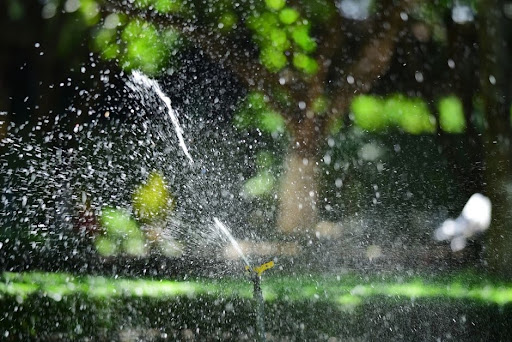
If you spend time outside in warm, humid areas, you already know mosquitoes can ruin a perfectly good evening in minutes. In many suburban neighborhoods, especially across the South, yards with sprinklers, shaded corners, and long growing seasons create ideal conditions for mosquitoes. The good news is that you can address the problem without making your lawn feel harsh or over-treated. A smarter approach starts with understanding what attracts them and what interrupts their routine.
Know what makes your yard mosquito-friendly
Mosquitoes don’t need a swamp to settle in. A bottle cap of water can work as a nursery, which is irritatingly efficient on their part. If your yard has overwatered grass, clogged gutters, plant saucers, birdbaths, or low spots that stay damp, you’re basically offering premium short-term housing.
Shade matters too. Mosquitoes rest in cool, humid places during the day, especially under dense shrubs, tall ornamental grass, decks, and overgrown hedges. Irrigation timing also plays a role. Watering too often or at the wrong hour can leave surfaces damp longer than necessary.
Start by walking your yard after rainfall or a sprinkler cycle. Look for:
– Standing water in containers
– Muddy patches near sprinkler heads
– Thick vegetation with little airflow
– Drainage areas that stay wet for days
– Gutters or downspouts that overflow near planting beds
Pay attention to irrigation, because it affects more than the lawn
Irrigation systems are often discussed as water-use tools, but they also shape pest conditions. A poorly calibrated system can create hidden wet pockets that you barely notice while mosquitoes absolutely do. That’s where targeted adjustments matter.
Some homeowners look into sprinkler mosquito control options that work with the landscape setup instead of treating the yard like an isolated pest problem. That approach makes sense when mosquito activity is tied closely to watering patterns, plant density, and the way moisture collects around the property.
You don’t need to become an irrigation technician overnight. You do need to know whether your system waters efficiently. Smart controllers, zone-specific timing, and seasonal adjustments can reduce excess moisture without stressing your lawn or plants.
Practical upgrades may include:
– Soil moisture sensors
– Drip irrigation for beds instead of spray
– Separate zones for sun and shade
– Seasonal controller resets
– Routine system inspections
Fix the water issues that invite breeding
If you want fewer mosquitoes, your first job is to control moisture. Not zero moisture, obviously. Your plants would file a complaint. The goal is to cut down unnecessary standing water and soggy zones where eggs and larvae can develop.
Empty containers weekly, scrub birdbaths, and check toys, wheelbarrows, and tarps after storms. For gutters, remove debris so water moves instead of pooling. In lawn areas, regrading low spots or adding soil can help prevent puddling.
Your sprinkler schedule deserves attention. Running irrigation late in the evening often leaves the landscape damp overnight, which supports mosquito activity and can encourage fungus in the lawn. Early morning watering usually works better because surfaces dry faster.
If you have automatic irrigation, check for:
– Leaks around valves and heads
– Overspray onto fences, patios, or dense planting beds
– Broken heads creating constant wet spots
– Excessive run times on shaded zones
Use landscaping to make the yard less inviting
A mosquito-resistant yard isn’t about one miracle plant or a candle doing heroic work in the corner. It’s about making the space less humid, less sheltered, and less predictable for pests.
Trim shrubs so air moves through them. Thin dense beds where moisture lingers. Keep grass at a manageable height and remove leaf piles quickly. If you’ve got a part of the yard that feels cool and damp even in the afternoon, that’s a likely resting zone.
Certain plants may help around seating areas, though they’re not a standalone fix. People often use lavender, rosemary, basil, citronella grass, or marigolds for their scent and practical garden value. Think of these as supporting players, not mosquito bodyguards.
You can also rethink hardscape and furniture placement. If your patio backs directly into thick vegetation, creating a little buffer space can make hanging out outside far more comfortable.
Add natural and low-impact control methods carefully
Once you’ve reduced breeding spots, natural controls can help lower the mosquito population further. The keyword is carefully. Throwing random products at the yard usually wastes money and gives you a false sense of progress.
For water features that can’t be drained, such as ornamental ponds or rain barrels, larvicide products labeled for mosquito larvae can be useful when used correctly. Fans on patios also help more than many people expect. Mosquitoes are weak fliers, so steady airflow can make outdoor seating much less attractive to them.
You can also support the broader backyard ecosystem. Dragonflies, certain birds, and bats eat insects, though they won’t solve a major infestation by themselves. The real value comes from layering strategies.
Keep your expectations realistic:
– Natural methods reduce pressure, not every single mosquito
– Scented plants are helpful but limited
– Yard sprays don’t fix standing water problems
– One treatment rarely lasts through an entire season
Protect yourself during peak mosquito hours
Even a well-managed yard can still have mosquito activity, especially during wet months. Personal protection matters, particularly around dawn and dusk when many species are most active. If you’re outside grilling, gardening, or pretending you enjoy pulling weeds, timing can affect how many bites you collect.
Wear lightweight long sleeves and pants when possible. Use an EPA-registered repellent and apply it as directed. If you host people outdoors, give them options: fans, shaded seating with airflow, and fewer damp areas nearby.
Screen maintenance also matters. Check porches, doors, and windows for tears that let mosquitoes indoors. It’s one of those tiny home tasks that saves a surprising amount of annoyance.
For families, a simple routine helps:
– Dump standing water every weekend
– Inspect sprinkler performance once a month
– Trim overgrowth regularly
– Use repellent before outdoor evening events
– Keep patio zones clean, dry, and breezy
Think long term instead of chasing quick fixes
Mosquito control works best when you treat it as part of overall yard management. That means drainage, irrigation, plant maintenance, and seasonal habits all matter. The quick-fix mindset often leads to repeat problems because the source conditions never really change.
A better plan is to build a yard that dries properly, supports healthy plants, and doesn’t create easy breeding spots. You’ll likely notice extra benefits too: better lawn performance, fewer fungal issues, less wasted water, and a patio that feels usable again.
If mosquitoes keep showing up despite your best efforts, step back and assess patterns. Is one zone always damp? Is the irrigation schedule excessive? Are containers collecting water after every storm? Small details tend to drive big results here.
A comfortable yard isn’t about perfection. It’s about making your outdoor space work for you instead of for the insects.
