


Table of Contents
- Why Fall Maintenance Matters
- Start With The Exterior
- Check Doors, Windows, And Screens
- Inspect The Garage And Storage Areas
- Manage Moisture Around The Home
- Prepare The Yard And Landscaping
- Inspect The Attic And Crawl Space
- Store Seasonal Items Properly
- Look For Warning Signs
- Room-By-Room Fall Checklist
- When To Ask For Professional Help
- Keep Small Problems Small
Fall is a practical time to check the parts of your home that work hardest when the weather changes. A few focused tasks can improve comfort, protect stored belongings, and make it easier to notice issues before winter. This guide to keeping pests out when temperatures drop starts with the same basics that support good home maintenance: close openings, reduce moisture, clean hidden spaces, and inspect regularly.
Small cracks, loose screens, clogged gutters, damp corners, and crowded storage areas may seem unrelated, but each can make a home harder to maintain. Addressing them early does not guarantee that pests will never appear. It does, however, reduce common shelter, food, water, and entry opportunities around the property.
Why Fall Maintenance Matters
Cooler weather changes how a home is used and exposes problems that may have gone unnoticed during summer. Windows stay closed more often, stored items come out, leaves gather near the foundation, and rain can reveal drainage issues. Many insects also seek protected places to overwinter, which is why cooler temperatures can push nuisance insects toward homes.
Start With The Exterior
The outside of the house often provides the clearest view of maintenance needs. Walk slowly around the property in daylight, take photos of anything questionable, and make a repair list rather than trying to fix every item at once. Homeowners needing local assistance with recurring signs of activity can also explore rodent control in Cherokee County when basic cleanup and sealing are not enough.
Exterior Inspection Points
- Check foundation walls for new or widening cracks.
- Inspect where siding meets brick, concrete, trim, or utility lines.
- Look around outdoor faucets, pipes, vents, and cable openings.
- Test garage door edges and bottom seals for visible gaps.
- Examine soffits, fascia, roofline vents, patios, decks, and window wells.
Check Doors, Windows, And Screens
Doors and windows deserve attention because small openings can affect both drafts and access. Test exterior doors for loose weather stripping, daylight around the frame, or a sweep that no longer meets the threshold. Repair torn screens, renew cracked caulk around frames, and inspect basement windows, sliding doors, and service doors. Sealing visible gaps can make indoor spaces more comfortable while limiting easy routes for insects and small animals.
Inspect The Garage And Storage Areas
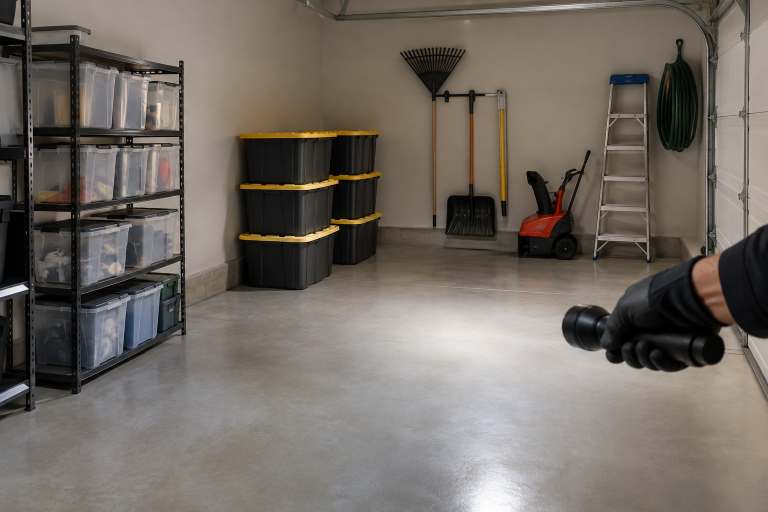
Garages, sheds, closets, and basements often collect boxes and seasonal supplies before winter. Clutter does not automatically create a pest issue, but it can conceal leaks, droppings, damaged materials, and nesting evidence. Move stored items away from walls where possible, discard damaged cardboard, and leave enough room to inspect behind containers.
- Use sturdy sealed containers for long-term storage.
- Keep birdseed, pet food, and dry goods in secure containers.
- Clean food spills and crumbs promptly.
- Keep items off damp floors when practical.
Manage Moisture Around The Home
Moisture control should be a central part of fall maintenance. Check gutters and downspouts for leaks or blockages, and direct runoff away from the foundation. Indoors, inspect under sinks, around water heaters, near pipes, and in basement corners for dampness, stains, or musty odors. Also empty outdoor buckets, plant saucers, toys, and other containers that can hold water. Use caution in poorly ventilated areas, and do not enter a crawl space or attic if conditions appear unsafe.
Prepare The Yard And Landscaping
A tidy perimeter makes the home easier to inspect and reduces hidden, damp areas close to exterior walls. Clear heavy leaf buildup near windows and the foundation, trim shrubs and branches away from the structure, and keep vines from covering siding or vents. Keep trash bin lids closed, remove debris from beneath decks and porches, and store firewood raised off the ground and away from exterior walls. The goal is not a bare yard. It is better visibility, airflow, and drainage near the home.
Inspect The Attic And Crawl Space
What To Check Above And Below The Living Area
Attics and crawl spaces can reveal early signs of roof leaks, ventilation problems, or animal activity. In an attic, look for water stains, damp wood, blocked vents, moved insulation, daylight near roof or soffit areas, and unusual odors. In a crawl space, check for standing water, wet soil, damaged access doors, gaps around pipes, condensation, or disturbed insulation. Avoid handling unknown droppings, nests, or dead animals without appropriate protection.
Store Firewood, Food, And Seasonal Items Properly
Seasonal items can bring moisture, insects, or nesting material into garages and living areas if they are moved without inspection. Check firewood before carrying it indoors, inspect holiday decorations and stored fabrics, and examine planters, garden tools, and outdoor furniture before putting them away. Keep food, pet food, and birdseed sealed between uses.
Look For Early Warning Signs
One isolated sign does not necessarily confirm a larger problem. Still, repeated evidence in the same location deserves attention. Watch for droppings along walls or in cabinets, gnaw marks on packaging or stored materials, shredded insulation or paper, repeated insect activity around windows, new stains, damp spots, webs, shed skins, wings, or scratching sounds after dark.
Room-By-Room Fall Checklist
- Kitchen: Clean crumbs, inspect pantry packages, check under appliances, and look under sinks for leaks.
- Basement: Check windows, floor drains, damp walls, musty odors, utility openings, and stored boxes.
- Garage: Test door seals, reduce clutter near walls, and inspect stored equipment.
- Bedrooms and living areas: Check screens, window frames, baseboards, and stored blankets near exterior walls.
- Exterior: Clean gutters, trim plants, remove excess debris, and inspect vents and utility openings.
When To Ask For Professional Help
Seek qualified help when signs continue after cleaning and repairs, noises recur inside walls or ceilings, damage appears in several areas, or the issue involves wiring, insulation, structural materials, a nest, or an unknown animal. Follow product labels carefully and avoid mixing chemicals. Current seasonal outlooks also note that weather can influence when and where pest activity occurs, including the possibility of prolonged fall activity in some regions.
Keep Small Problems Small
Fall maintenance works best when it is timely and consistent. A few hours spent sealing gaps, clearing moisture, organizing storage, and inspecting overlooked spaces can make winter home care simpler. Start with the most visible needs, document what you find, and address concerns before they become harder to reach or more expensive to repair.
