


Key Takeaways
- Warm water may ease muscle tension, stiffness, and everyday stress, but it does not cure the cause of illness.
- Skip the hot tub if you have a fever, diarrhea, vomiting, dizziness, dehydration, breathing trouble, or an open wound.
- Keep the water at or below 104°F, stay hydrated, and limit each soak to a comfortable, brief session.
- Clean water requires consistent sanitizing, pH, filtration, and cleaning practices.
- People who are pregnant, immunocompromised, or managing heart, lung, or circulation concerns should ask a healthcare professional for personalized advice.
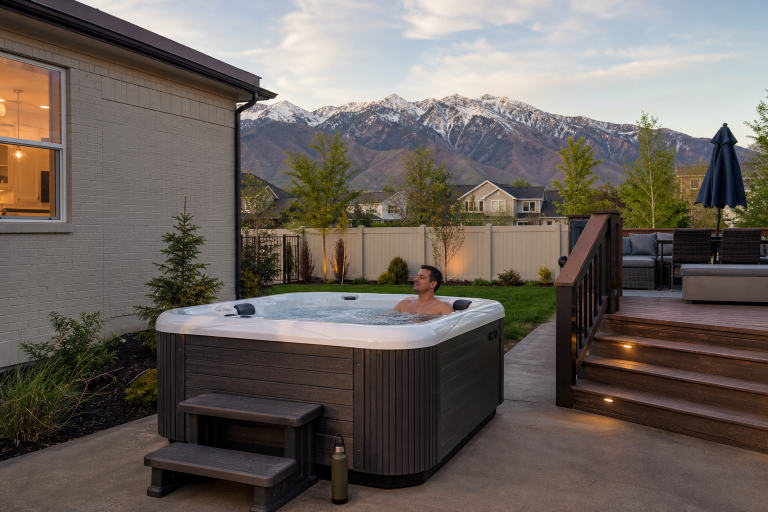
Warm water can be a welcome place to relax when muscles feel tight, a stressful day has caught up with you, or mild soreness makes it hard to get comfortable. For homeowners considering compact and small hot tubs for Salt Lake City homes, it is useful to remember that a safe soak depends on more than a comfortable seat and good jets. Your current health, the water temperature, and routine maintenance all matter.
A hot tub may provide temporary comfort, but it is not a treatment for an illness or injury. Knowing when to enjoy a brief soak and when to wait protects both the person in the water and everyone else who may use the tub.
How Warm Water May Support Comfort
Heat can help muscles feel looser and may temporarily reduce the sensation of stiffness after a long workday, a workout, or sitting for extended periods. The quiet routine of soaking can also create a calming pause, especially when screens, noise, and daily obligations make it difficult to unwind. Someone with mild muscle soreness, for example, may feel more comfortable after a short, moderate soak followed by rest.
Comfort has limits. If the heat makes you feel weak, lightheaded, nauseated, overly sweaty, or short of breath, leave the water right away. Cool down gradually, drink water, and rest. Persistent or severe symptoms deserve medical attention rather than another attempt to soak them away.
When To Skip The Hot Tub
A hot tub is best avoided when the body is already dealing with infection, fluid loss, overheating, or impaired alertness. Heat can intensify these problems and make it harder to recognize when you need help.
- Fever or chills
- Vomiting or diarrhea
- Dry mouth, dark urine, or unusual weakness may suggest dehydration
- Dizziness, faintness, confusion, or difficulty staying alert
- Chest pain, wheezing, or trouble breathing
- Open wounds, serious skin irritation, or an active rash
- Recent alcohol use
- Severe fatigue or recovery from a significant illness
Diarrhea is a clear reason to avoid shared water, as germs can spread to others. The also emphasize showering before entry, avoiding alcohol, checking water chemistry, and keeping the temperature at or below 104°F.
Symptoms That Call For Extra Caution
Fever And Chills
When you have a fever, your body is already working to regulate temperature. Additional heat may increase discomfort and fluid loss through sweating. Prioritize rest and hydration instead. Seek medical advice if a fever is severe, persistent, or paired with concerning symptoms such as confusion, a stiff neck, chest pain, or trouble breathing.
Breathing Problems
Steam may feel pleasant to some people, but irritating or overwhelming to others. A hot tub is not an appropriate response to serious shortness of breath, wheezing, chest tightness, or blue or gray lips. Those signs require urgent evaluation.
Stomach Illness
Vomiting and diarrhea can quickly lead to dehydration, while diarrhea also poses a sanitation concern in shared water. Wait until symptoms have completely resolved before returning to the tub. Careful handwashing, showering, and cleaning nearby surfaces are sensible measures for preventing the spread of illness at home.
A Safer Soaking Routine
- Check in with your body first. Do not soak if you feel feverish, dizzy, nauseated, unusually weak, or unwell.
- Drink water before entering. Begin hydrated and keep water within reach.
- Set a sensible temperature. Water should feel warm and relaxing, not painfully hot.
- Start short. A brief soak lets you see how you tolerate the heat without overdoing it.
- Stand up slowly. Heat can contribute to lightheadedness, particularly after sitting still.
- Leave when anything feels off. Do not push through weakness, dizziness, nausea, or breathlessness.
- Rehydrate afterward. Drink water before returning to exercise, chores, or driving.
Why Water Quality Matters
Warm water requires reliable care because high temperatures, regular use, and skin contaminants can make maintenance more demanding. Sanitizer levels, pH, filtration, surface cleaning, and scheduled water changes all work together. A strong chemical odor is not proof that the water is clean. In fact, properly maintained water should have little odor.
For home tubs, use appropriate test strips and follow the manufacturer’s maintenance schedule. For a hotel, gym, rental, or community facility, ask when the water was last tested and whether recent inspection information is available. General targets include chlorine at least 3 parts per million, bromine between 4 and 8 parts per million, and pH between 7.0 and 7.8.
People Who Should Ask A Doctor First
Individual health history changes the equation. People who are pregnant, have heart disease, blood pressure concerns, chronic lung disease, weakened immune systems, or medications that affect circulation, alertness, or fluid balance should seek personalized guidance before using a hot tub. Adults age 50 and older who also have underlying health risks may need extra caution. Young children should not use hot tubs, since they can overheat more quickly than adults.
Warning Signs After Hot Tub Use
Do not brush off a new cough, fever, muscle aches, unusual fatigue, shortness of breath, persistent nausea, or a spreading itchy rash after soaking, particularly if the water quality was uncertain. People who develop a cough, fever, muscle aches, or breathing symptoms within two weeks of exposure should tell a clinician about recent hot tub use, as when the water is poorly maintained.
A CDC report published June 11, 2026, described a New York vacation rental investigation in which a poorly managed private hot tub was identified as the likely source of two Legionnaires’ disease cases. That does not mean every hot tub is dangerous. It reinforces why maintenance records, proper disinfectant levels, and prompt attention to symptoms matter.
A Simple Pre-Soak Checklist
- Is the water at a safe, comfortable temperature?
- Are the sanitizer and pH readings in the recommended range?
- Has the tub been cleaned, filtered, and maintained recently?
- Does anyone planning to enter have a fever, a stomach illness, a rash, or a breathing problem?
- Has everyone showered before getting in?
- Is drinking water nearby?
- Will someone be available to help if a person becomes dizzy or unwell?
- Is the cover secured when children and pets are nearby and unsupervised?
Conclusion
Warm water can be a pleasant part of a wellness routine when you feel well, the session stays brief, and the water is properly maintained. Fever, dehydration, stomach illness, breathing trouble, alcohol use, and questionable water conditions are all good reasons to wait. A little caution helps keep a hot tub a place for comfort and relaxation rather than an unnecessary health risk.
