


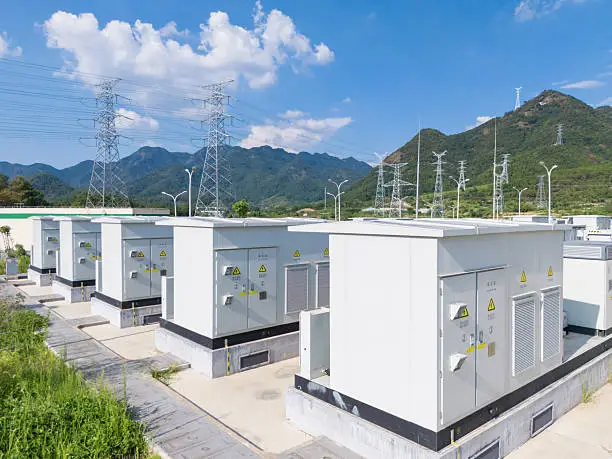
The Growing Vulnerability of Modern Commercial Infrastructure
Dependence on Sensitive Microprocessors and BMS
Modern commercial buildings are rapidly evolving into interconnected digital environments. Facility managers increasingly rely on central Building Management Systems (BMS), automated lighting arrays, and localized data centers to optimize energy usage and streamline daily operations.
While this digital transformation enhances operational efficiency, it introduces significant vulnerabilities. The highly sensitive microprocessors governing these smart networks operate on extremely low voltages. Over time, recurring minor voltage fluctuations cause cumulative degradation to these delicate silicon pathways, inevitably leading to premature system failures.
The Hidden Costs of Electrical Failures
When transient overvoltage breaches a facility’s electrical network, the financial impact extends far beyond hardware replacement. The most severe economic consequences stem from sudden data loss, corrupted control systems, and extended operational downtime.
As commercial properties systematically transition toward automated management systems and energy-efficient building electronics, their susceptibility to power quality issues increases. To mitigate the risk of premature component failure and unplanned operational downtime, electrical engineers routinely integrate industrial-grade LSP into primary distribution boards to safely divert excessive voltage transients away from delicate downstream equipment.
Common Sources of Transient Overvoltage in Business Facilities
External Threats: Lightning and Grid Fluctuations
A prevalent misconception in facility management is that direct lightning strikes are the primary cause of catastrophic electrical damage. In reality, indirect lightning strikes miles away can induce massive electromagnetic transients that travel directly into a facility through incoming power lines.
Additionally, commercial properties face constant threats from utility grid fluctuations. Protecting internal infrastructure from sudden electrical fluctuations is closely tied to managing broader building climate systems, as heavy machinery and cooling units can induce severe grid strain. Facility managers evaluating overall system performance can click to read additional guidelines on routine HVAC upkeep to support long-term operational efficiency and minimize electrical load issues.
When power companies perform routine grid switching, or when neighboring industrial facilities suddenly power down heavy loads, the resulting energy surge can easily infiltrate unprotected commercial networks.
Mechanical system performance directly affects electrical stability across large facilities. Working with a qualified heating contractor helps ensure that major heating units and motors undergo routine inspection, which supports balanced power draw and minimizes sudden load spikes throughout the building.
Internal Threats: HVAC and Heavy Machinery
Surprisingly, industry data indicates that up to 80% of all transient overvoltage events originate from within the facility itself. These internal surges are typically generated by the routine cycling of large electromechanical equipment.
- HVAC Systems: The constant starting and stopping of heavy-duty chiller compressors generate significant inductive kickback along the internal power grid.
- Elevator Motors: Large variable frequency drives (VFDs) used in commercial elevators continuously introduce transient electrical noise into the building’s distribution system.
- Heavy Machinery: In mixed-use facilities, industrial equipment can pollute the power supply, endangering sensitive office electronics on the shared network.
- Proper management of building cooling systems also plays a key role in maintaining stable energy demands and reducing power strain across property networks. When modernizing heating and cooling infrastructure, property managers scheduling local AC installation in Deerfield Beach can choose energy-efficient equipment that supports smooth operational cycles and consistent indoor climate control.
- Managing the mechanical systems that contribute to electrical feedback is an essential part of maintaining facility stability. Scheduling routine inspections with experienced technicians from Forest City Heating and Air Conditioning can help identify wear on compressor motors, supporting smooth equipment operation and reducing power strain across the building’s electrical system.
Multi-Level Protection Strategies for Facility Management
Building a Cascading Defense System
Relying on a single point of protection at the main electrical entrance is insufficient for a modern commercial facility. Effective electrical resilience requires a coordinated, multi-level defense strategy.
- Type 1 SPDs: Installed at the main service entrance to intercept and safely ground the massive energy from external lightning impulses.
- Type 2 SPDs: Placed at sub-distribution panels to catch residual transients and neutralize internal switching surges.
- Type 3 SPDs: Positioned directly at the point-of-use to provide fine-tuned protection for highly sensitive localized electronics.
Protecting Non-Power Pathways
A comprehensive facility defense strategy must also secure all non-power conductive pathways. Transient voltages frequently bypass primary electrical panels by traveling along unprotected data and communication lines.
- Ethernet and PoE Lines: Security cameras, access controls, and smart sensors require inline data surge protectors.
- Telecommunication Cables: Copper-based telecom lines must be properly grounded to prevent induced voltages from destroying connected servers.
- Distributed Solar PV: Commercial rooftops equipped with solar arrays require specialized DC-side grounding to protect high-value inverters.
Key Takeaways
| Area | Key Takeaway | Impact/Data |
| Threats | Mitigate internal HVAC and motor surges | Accounts for 80% of transients |
| Design | Deploy cascaded Type 1 to 3 SPDs | Blocks external and internal spikes |
| Pathways | Secure data and solar DC lines | Prevents bypassing main panels |
| Compliance | Align with IEC 61643 and NEC | Meets insurance and safety rules |
Future-Proofing Real Estate Assets Through Standards Compliance
Aligning with International Safety Benchmarks
For commercial real estate owners, maintaining compliance with global electrical standards like IEC 61643 and the National Electrical Code (NEC) is critical. Upgrading a facility’s surge protection directly improves asset safety ratings and helps satisfy stringent commercial insurance requirements.
Ensuring long-term property safety requires aligning facility management protocols with internationally recognized technical benchmarks. According to safety guidelines maintained by the IEEE, implementing continuous surge suppressive measures and proper grounding topology is essential for maintaining power quality and preventing costly electrical fires in commercial structures.
