


Critical Indicators Requiring Commercial Roofing Replacement
Recognizing the early warning signs of roof deterioration is paramount for any commercial property owner or facility manager. Ignoring these indicators can escalate minor issues into catastrophic failures, leading to significant structural damage, operational disruptions, and substantial financial burdens. Proactive identification allows for timely intervention, whether that means targeted repairs or a full system replacement.
Commercial roofs, much like any other building component, are subject to the relentless forces of aging, weather exposure, and structural wear over time. While routine inspections are designed to catch these issues, understanding the specific critical indicators can help you make informed decisions about your roof’s future.
Visible Membrane Degradation and Seam Failure
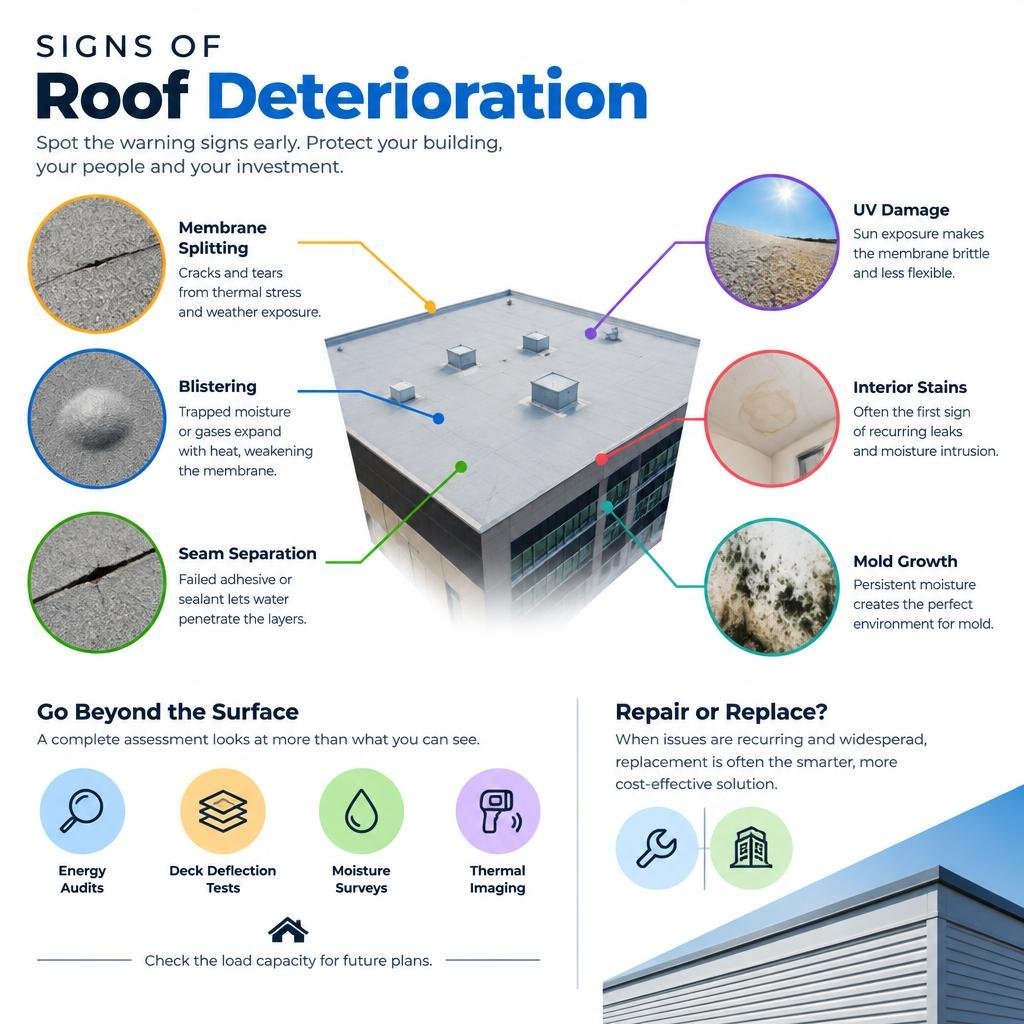
The roofing membrane is your primary line of defense against the elements. When it begins to show signs of degradation, your building’s vulnerability increases dramatically. We often observe issues such as membrane splitting, where the material develops cracks or tears, particularly in areas subjected to repeated thermal cycling. This thermal movement, the constant expansion and contraction due to temperature fluctuations, puts immense stress on roofing materials. Even robust materials like cement tiles, which are designed to last over 50 years, can become susceptible to cracking from extreme thermal expansion or unexpected foot traffic, highlighting that even durable systems have their limits.
Blistering is another common sign, appearing as raised bubbles on the membrane surface. These are typically caused by trapped moisture or gases underneath the membrane, which expand when heated by the sun. As blisters grow, they weaken the membrane and can eventually rupture, creating direct pathways for water. Seam separation, where the adhesive or sealant holding membrane sections together fails, is equally critical. These openings allow water to penetrate the underlying layers, leading to widespread damage. Prolonged UV damage from the sun’s rays can also degrade the membrane’s surface, making it brittle and less flexible, accelerating the onset of splitting and blistering.
Recurring Leaks and Widespread Moisture Intrusion
While an isolated leak might be addressed with a patch, recurring leaks and widespread moisture intrusion are undeniable red flags signaling a more systemic problem. These issues often manifest internally before they are visible on the roof’s surface. We frequently encounter saturated insulation, where water has permeated the insulating layers beneath the membrane. Once insulation becomes wet, its R-value plummets, significantly reducing your building’s energy efficiency and adding considerable weight to the roof structure.
Interior stains on ceilings and walls are often the first visible indicators to building occupants, signaling that water has breached the roofing system. Left unaddressed, this can lead to underlayment rot, compromising the structural integrity of the roof deck itself. Furthermore, persistent moisture creates an ideal environment for mold growth, posing health risks to occupants and potentially leading to costly remediation efforts. While minor repairs, such as applying a flexible silicone sealant (like Permatex Black Silicone) to a small crack in a cement tile, can offer a temporary fix lasting 10-15 years, or polymer-modified mortar repairs extending life by 10-20 years, these are solutions for localized issues. When leaks are recurring and widespread, it indicates that the entire roofing system is failing, and these localized repairs become insufficient and economically unviable. In such cases, it’s time to consider comprehensive solutions from dedicated commercial roofing services to protect your investment.
Assessing Structural Integrity and Energy Efficiency
Beyond the visible signs of degradation, a thorough assessment of your commercial roof must delve into its structural integrity and overall energy efficiency. These factors are crucial for long-term building health and operational costs. We utilize advanced techniques like energy audits, deck deflection tests, moisture surveys, and thermal imaging to gain a complete picture of your roof’s condition. Understanding the roof’s load capacity is also critical, especially if you plan to add new equipment or contemplate a re-roofing project.
Evaluating Repair Costs vs. Commercial Roofing Replacement
One of the most challenging decisions for any facility manager is determining when to stop patching and invest in a full commercial roofing replacement. The “repair vs. replace” dilemma often boils down to a financial calculation, weighing cumulative maintenance costs against the life-cycle cost of a new system. While DIY repairs for a single cracked cement tile might cost under $100 in materials, and professional spot repairs typically range from $300 to $800, these costs accumulate rapidly. If your maintenance budget is consistently being spent on frequent, localized repairs, you might be throwing good money after bad.
Consider that properly performed cement tile mortar repairs can last 10–20 years or more, and flexible silicone sealants like Permatex Black Silicone can last 10–15 years. These are respectable lifespans for individual repairs. However, if you find yourself needing multiple such repairs across various sections of the roof annually, the cumulative expense can quickly approach, or even exceed, the cost of a full replacement without offering the same long-term reliability or warranty benefits. A new roof, on the other hand, comes with a fresh warranty, providing peace of mind and predictable performance for decades. It’s a capital expenditure that, while larger upfront, often proves more cost-effective over its entire lifespan by eliminating recurring repair expenses and improving energy efficiency.
Repair Type Initial Cost (Estimate) Expected Longevity (Estimate) Warranty Implications Spot Patch (DIY) < $100 < 1 year (no prep) to 10-15 years (silicone) None Professional Spot Repair $300 – $800 10-20 years (mortar) Limited to repair Full System Replacement Significant 15-50+ years Comprehensive Energy Loss and Rising Utility Expenses
A failing roof isn’t just a structural liability; it’s also a major contributor to energy loss and escalating utility expenses. As roofing materials degrade and insulation becomes compromised, your building experiences thermal bridging, where heat easily escapes or enters through weak points in the roof assembly. This directly translates to increased strain on your HVAC system, as it works harder to maintain comfortable indoor temperatures.
Insulation failure, often due to moisture saturation from leaks, is a primary culprit. Wet insulation loses its thermal resistance, making your heating and cooling systems operate inefficiently. This inefficiency directly impacts your operating costs, driving up energy bills. In today’s climate, where energy costs are a significant line item for any business, a roof that is no longer performing optimally can be a silent drain on your finances. Investing in a new, energy-efficient roofing system, potentially incorporating cool roofing technologies, can lead to substantial long-term savings on utility expenses, providing a strong return on your investment.
Step-by-Step Transition and Project Planning
Once the decision to replace your commercial roof has been made, the next critical phase involves meticulous planning and execution. This transition requires careful consideration of various factors to ensure a smooth process, minimal disruption to your operations, and a successful, long-lasting outcome. We emphasize the importance of adhering to building code compliance, optimizing drainage design, conducting thorough core sampling to understand existing layers, and verifying structural load capacity to ensure the new system is adequately supported.
Material Selection for System Longevity
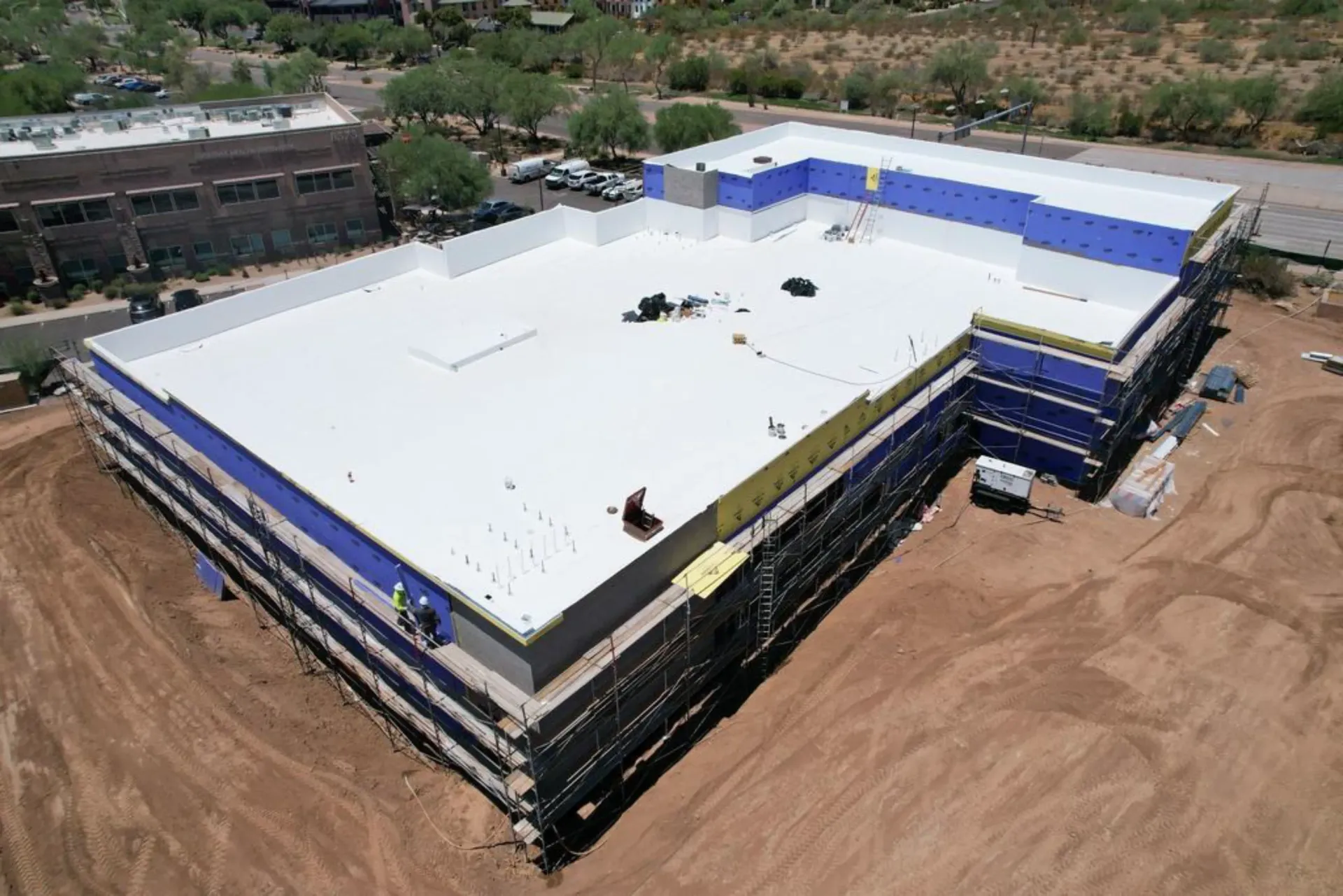
Choosing the right roofing material is a pivotal decision that directly impacts the longevity, performance, and cost-effectiveness of your new commercial roof. The market offers a diverse range of options, each with unique characteristics suited to different building types, climates, and budget considerations.
- Single-ply membranes: These include TPO (Thermoplastic Polyolefin), EPDM (Ethylene Propylene Diene Monomer), and PVC (Polyvinyl Chloride). TPO and PVC are known for their heat-welded seams, durability, and reflective properties, making them excellent choices for energy efficiency. EPDM, a synthetic rubber, offers exceptional flexibility and weather resistance.
- Modified Bitumen: This asphalt-based roofing system is reinforced with polymers to enhance its flexibility and durability, often applied in multiple layers.
- Built-Up Roofing (BUR): A traditional, multi-layered system composed of alternating layers of asphalt and reinforcing fabrics, topped with gravel or a reflective coating.
- Metal Panels: Offering superior durability, longevity, and often a sleek aesthetic, metal roofs are a significant investment but provide excellent weather resistance and can last 30-50+ years.
While the focus for commercial roofs often leans towards flat or low-slope systems, it’s worth noting that even traditional sloped materials like cement tiles are designed to last over 50 years. This underscores the importance of selecting materials known for their inherent durability and weather resistance, ensuring your investment stands the test of time.
Planning Your Commercial Roofing Replacement Project
A well-orchestrated project plan is essential for minimizing disruptions and ensuring a successful commercial roofing replacement. We guide our clients through a series of key milestones to ensure every aspect is covered:
- Detailed Inspection and Assessment: A final, comprehensive evaluation of the existing roof and building structure.
- Budget Allocation and Financing: Securing the necessary funds and understanding payment schedules.
- Contractor Selection: Choosing a reputable and experienced roofing partner.
- Material Choice: Finalizing the roofing system based on performance, budget, and aesthetic requirements.
- Permitting and Code Compliance: Obtaining all necessary permits and ensuring the design meets local building codes.
- Project Scheduling and Logistics: Developing a realistic timeline, coordinating material deliveries, and planning for equipment staging.
- Post-Installation Inspection and Warranty: A final walkthrough and securing all warranty documentation.
Careful consideration of staging logistics is crucial, especially for active commercial sites, to ensure minimal interference with daily operations. Robust safety protocols are non-negotiable, protecting both workers and building occupants. Navigating building permits and understanding the installation timeline are also vital steps to ensure compliance and manage expectations throughout the project.
Frequently Asked Questions About Roof Restoration
As commercial property owners and facility managers approach the decision of roof replacement, several common questions arise. These often revolve around the practicalities of roof longevity, installation methods, and potential operational disruptions. Addressing these concerns proactively helps in better asset management and ensures realistic expectations regarding maintenance schedules and performance warranties.
How long does a commercial roof typically last?
The service life of a commercial roof is highly variable, influenced by several factors including the type of material used, the quality of installation, the climate, and the frequency of preventive maintenance. For instance, single-ply membranes like TPO and EPDM typically last 15-20 years, while modified bitumen systems often extend to 20-25 years. Built-up roofing (BUR) can perform for 20-30 years, and metal roofs are known for their exceptional durability, often lasting 30-50 years or even longer with proper care.
These are general estimates. A rigorous preventive maintenance schedule can significantly extend a roof’s life, whereas a harsh climate with extreme temperature fluctuations, high winds, or heavy precipitation can accelerate deterioration. For comparison, traditional cement tiles are designed to last over 50 years, demonstrating the potential longevity of well-chosen and maintained roofing materials, even if they require periodic attention to issues like cracking from foot traffic or thermal expansion.
Can you install a new roof over an existing commercial system?
The practice of installing a new roof over an existing commercial system, often referred to as a “recover” or “overlay,” is possible in some situations but is subject to strict building codes and practical limitations. Key considerations include the existing roof’s condition, its weight, and the structural capacity of the building.
Building codes often restrict the number of roofing layers permitted, typically allowing no more than two. Before considering an overlay, a thorough inspection is essential to ensure the existing roof deck is sound, dry, and free of significant damage or saturated insulation. Adding a new layer to a compromised existing roof can trap moisture, leading to accelerated deterioration of the underlying structure and potential mold growth. Furthermore, the added weight of a new roofing system must be within the building’s structural load capacity. In many cases, especially when the existing roof is severely deteriorated or has multiple layers, a complete tear-off is the only viable and recommended option to ensure a clean, stable base for the new installation.
What is the average operational disruption during installation?
Minimizing operational disruption is a top priority for any commercial roofing replacement project. The average disruption varies greatly depending on the project’s scale, the roofing system chosen, and the contractor’s planning and execution. Most reputable roofing contractors employ strategies to ensure business continuity.
These strategies often include phased scheduling, where work is completed in sections, allowing different parts of your facility to remain operational. Noise management is also a key consideration, with contractors often scheduling noisy work during off-peak hours or weekends. Clear communication with building occupants, establishing safe access routes, and efficient staging of materials are all part of a comprehensive plan to reduce inconvenience. While some level of noise, dust, and restricted access is inevitable, a well-managed project aims to keep facility downtime to an absolute minimum, ensuring your business can continue to function effectively throughout the replacement process.
Conclusion
Your commercial roof is a critical asset, directly impacting your property’s value, operational efficiency, and the safety of its occupants. Recognizing the signs that indicate a need for commercial roofing replacement, rather than continuous, costly repairs, is a fundamental aspect of proactive facility management. From visible membrane degradation and recurring leaks to significant energy loss, these indicators signal that your roof’s protective capabilities are diminishing.
By understanding the difference between economical repairs and the point at which a full replacement becomes the more prudent investment, you can make informed decisions that safeguard your building. A well-planned commercial roofing replacement project, from material selection to meticulous execution, ensures structural safety, long-term savings, and robust building protection for decades to come. Don’t wait until a critical failure forces your hand; evaluate your roof’s condition now and plan for its future.
