


Key Takeaways
Small, repeatable changes can reduce strain and make daily movement feel more manageable.
Low-impact activity and strength work can support joint function when increased gradually.
Short movement breaks may help counter stiffness associated with long periods of sitting.
Supportive footwear, careful lifting, and pacing can protect sore joints during routine tasks.
Severe, sudden, swollen, or persistent pain should be assessed by a qualified health care provider.
Joint discomfort can make ordinary Richmond routines, from walking the dog around the neighborhood to climbing stairs, working at a desk, or spending an afternoon in the garden, feel more demanding. While the cause of pain matters, small adjustments to movement, recovery, and daily mechanics can help many people protect their mobility and feel more comfortable.
For persistent symptoms, Chronic Care Of Richmond offers information on joint pain treatment for people in Richmond, Virginia, who want to explore individualized, non-surgical approaches to chronic joint discomfort. The practice’s service page describes evaluations and personalized care plans intended to support mobility and address ongoing pain concerns, making it a relevant local resource for people seeking guidance beyond at-home habit changes.
Why Daily Habits Matter for Joint Comfort
Joints respond to what happens around them. Repetitive tasks, prolonged inactivity, poor sleep, prior injuries, and carrying more load than a joint can comfortably handle may all affect how movement feels. Joint pain also has many possible causes, including arthritis, overuse, inflammation, nerve-related problems, and injury, so it should not be dismissed as an unavoidable part of getting older.
Osteoarthritis is the most common form of arthritis and often affects the hands, hips, knees, and back. Learning about common osteoarthritis symptoms and risk factors can help people recognize why an accurate diagnosis is important. Daily habits can support symptom management, but they cannot replace an evaluation when pain is new, significant, or worsening.
Start With Short, Joint-Friendly Movement
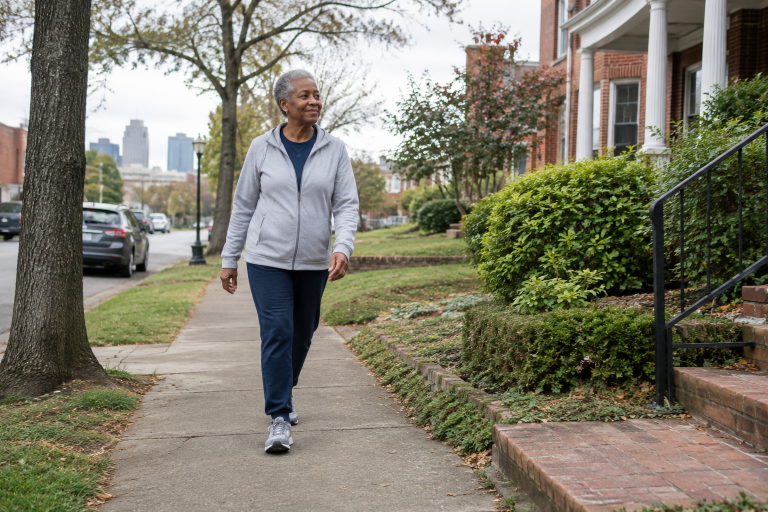
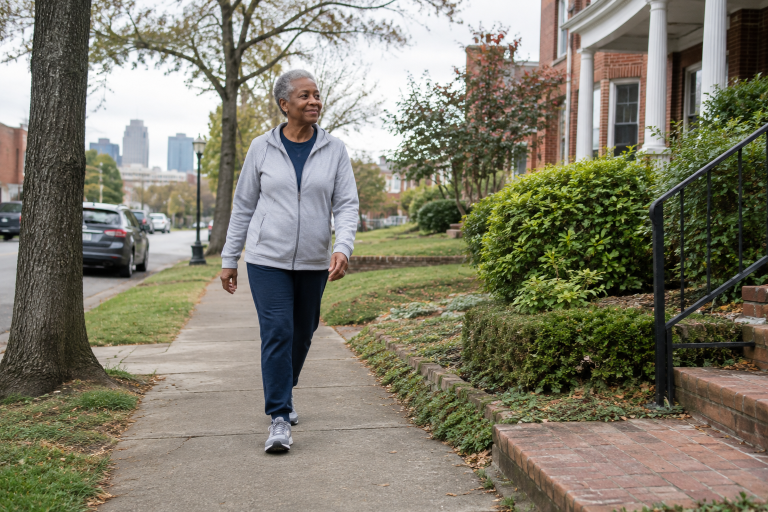
A demanding workout is not required to begin moving more. Start with a comfortable amount, such as five to ten minutes of walking, stationary cycling, swimming, water exercise, tai chi, or light gardening. A short walk around the block, a lap inside a local mall, or a few minutes of gentle movement at home can be a practical starting point.
Many adults work toward 150 minutes of moderate activity each week, plus muscle-strengthening activity on two days. Those minutes can be divided into smaller sessions, and short bouts of joint-friendly physical activity can still contribute to a consistent routine. The most useful option is one that causes little or no pain and is realistic enough to repeat.
Use Movement Breaks to Reduce Stiffness
Long periods in the same position can leave joints feeling stiff. For desk work, driving, streaming television, or reading, try changing position every 30 to 60 minutes when possible. These breaks do not need to be complicated:
Walk around during a phone call.
Do gentle ankle circles while seated.
Open and close the hands after typing or using a phone.
Take a brief walk after a meal.
Stand up and slowly stretch the shoulders and upper back.
Build Strength Around Sore Joints
Muscles help support joints during standing, stairs, carrying groceries, and other daily tasks. Controlled exercises such as chair stands, wall-supported push-ups, light resistance-band work, or small hand weights may be appropriate for some people. Begin with low resistance, move slowly, and increase only when the activity remains comfortable.
A physical therapist or qualified clinician can adapt exercises for limited mobility, balance concerns, a recent injury, or a specific diagnosis. Stop an exercise and seek advice if it causes sharp pain, major swelling, limping, or a meaningful change in how you walk.
Pay Attention to Shoes, Posture, and Body Mechanics
Footwear that is worn out, poorly fitted, or unsuitable for the activity can make walking and standing less comfortable. Choose shoes that fit securely and provide support appropriate for your usual routine. At work and at home, adjust chairs, screens, and frequently used items so you are not repeatedly reaching, twisting, or bending awkwardly.
When lifting, move close to the object, bend through the hips and knees, keep the load near your body, and avoid twisting while carrying it. Ask for help with awkward or heavy items. It is also worth reviewing daily behaviors that may strain joints, including habits involving inactivity, sleep, and repetitive stress.
Support Joint Health Through Realistic Food and Weight Goals
For people whose weight places strain on weight-bearing joints, gradual weight changes may help maintain knee and hip comfort. Weight loss is not the only answer to joint pain, and no one should assume a person’s pain is caused by body size. A more helpful focus is on building sustainable routines, such as drinking more water, preparing balanced meals, and gradually adding vegetables, fruit, whole grains, protein, and healthy fats.
Make Sleep and Recovery Part of the Plan
Sleep can influence how manageable discomfort feels during the day. Keep a regular bedtime when possible, limit screen use before bed, and experiment with a comfortable resting position. Recovery also means pacing chores. Break yardwork, cleaning, or household projects into shorter intervals rather than trying to finish everything in one session. A warm shower, gentle stretching, and planned rest may be useful during a mild flare.
Know Helpful Discomfort From Warning Signs
Mild stiffness or soreness can occur after starting a new activity, particularly when the body is not used to it. Symptoms should not steadily intensify, interfere with normal movement, or remain severe after exercise. Contact a health care professional promptly for:
Sudden or severe joint pain.
A joint that is hot, red, or significantly swollen.
Loss of strength or sensation.
Inability to bear weight on a leg or foot.
Pain after a fall or other injury.
Pain that disrupts sleep or prevents normal daily tasks.
A Simple Seven-Day Starting Plan
Day One: Note when pain occurs and what seems to improve or aggravate it.
Day Two: Add two short movement breaks to the day.
Day Three: Try five to ten minutes of low-impact activity.
Day Four: Check shoes and adjust one workstation or home setup issue.
Day Five: Add a gentle strengthening exercise that feels controlled.
Day Six: Make one balanced meal and focus on hydration.
Day Seven: Review symptoms and decide whether professional guidance is needed.
Common Questions About Daily Joint Pain Habits
Is it better to rest or keep moving?
Brief rest can be useful during a flare, but complete inactivity may contribute to stiffness and weakness. Gentle movement is often a better choice when it can be done safely and without worsening symptoms.
Can exercise make joint pain worse?
It can when activity is too intense, poorly matched to the condition, or increased too quickly. Reduce the duration, intensity, or impact, and seek professional advice for persistent or severe symptoms.
Should heat or cold be used?
Heat may feel soothing for stiffness, while cold may help with temporary swelling after activity. Protect the skin, use either option for short periods, and stop if it causes irritation or discomfort.
Final Thoughts
Joint comfort often improves through a collection of small choices rather than one dramatic change. Short walks, steady strength work, supportive shoes, thoughtful pacing, and timely medical guidance can help Richmond residents make daily movement feel more manageable.
