


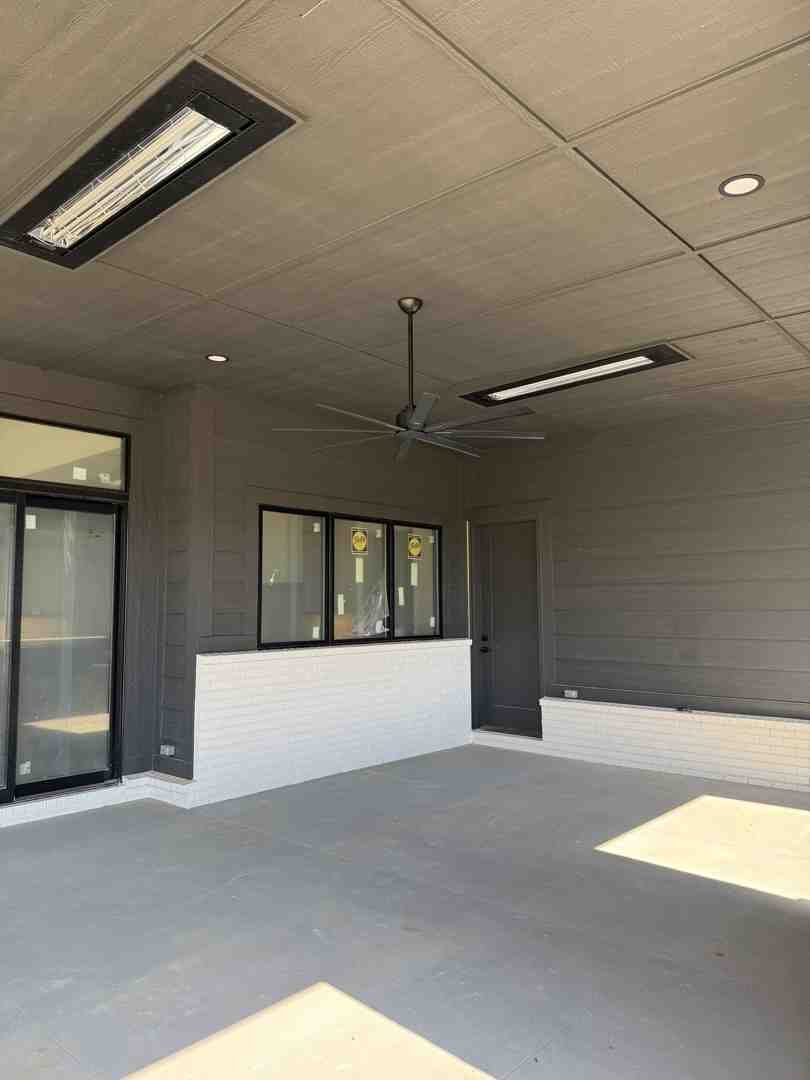
Comprehensive Residential Backyard Lighting Solutions by Zone
Creating a truly stunning backyard involves more than just placing a few lights; it requires a thoughtful approach to zoning and layering. By strategically illuminating different areas, we can enhance both the functionality and aesthetic appeal of your outdoor living space. Think of your backyard as having distinct “rooms,” each requiring its own lighting strategy to achieve a harmonious and inviting atmosphere.
Effective outdoor lighting design balances bright functional lights with softer, ambient glows, ensuring every corner serves its purpose beautifully. This spatial zoning allows us to achieve optimal illumination where needed, while creating a cohesive and visually pleasing environment throughout your property. For a deeper dive into overall Residential backyard lighting solutions, we’ve got you covered.
Ambient and Decorative Residential Backyard Lighting Solutions
Ambient lighting sets the mood and provides a general level of illumination, making your backyard feel welcoming and comfortable. Decorative lighting, on the other hand, adds character and style, turning ordinary spaces into extraordinary ones.
- String Lights: These versatile lights, often featuring Edison-style bulbs or globe lights, are perfect for creating a warm, even glow across patios, decks, or strung between trees. They evoke a festive, cozy bistro atmosphere, ideal for entertaining or quiet evenings. Many modern options come with dimming controls, allowing you to adjust the brightness to suit any occasion.
- Wall Sconces and Pendant Lanterns: Mounted on exterior walls, these fixtures provide localized ambient light and can significantly enhance your home’s architectural features. From modern minimalist designs to classic lantern styles, they add visual interest while offering practical illumination for entries and seating areas. Some models even feature flickering flame effects for a unique, conversation-starting look.
- Deck and Step Lighting: Integrated lights along deck railings, stairs, and risers are crucial for both safety and aesthetics. They provide subtle illumination that prevents trips and falls, while also highlighting the structure of your deck. Low-profile designs ensure they blend seamlessly into the architecture.
These elements work together to craft an inviting ambiance, transforming your backyard into a true extension of your indoor living space.
Pathway and Landscape Illumination
Guiding guests safely and showcasing your garden’s beauty after dark are the primary goals of pathway and landscape lighting. These lights are essential for navigation and highlighting focal points.
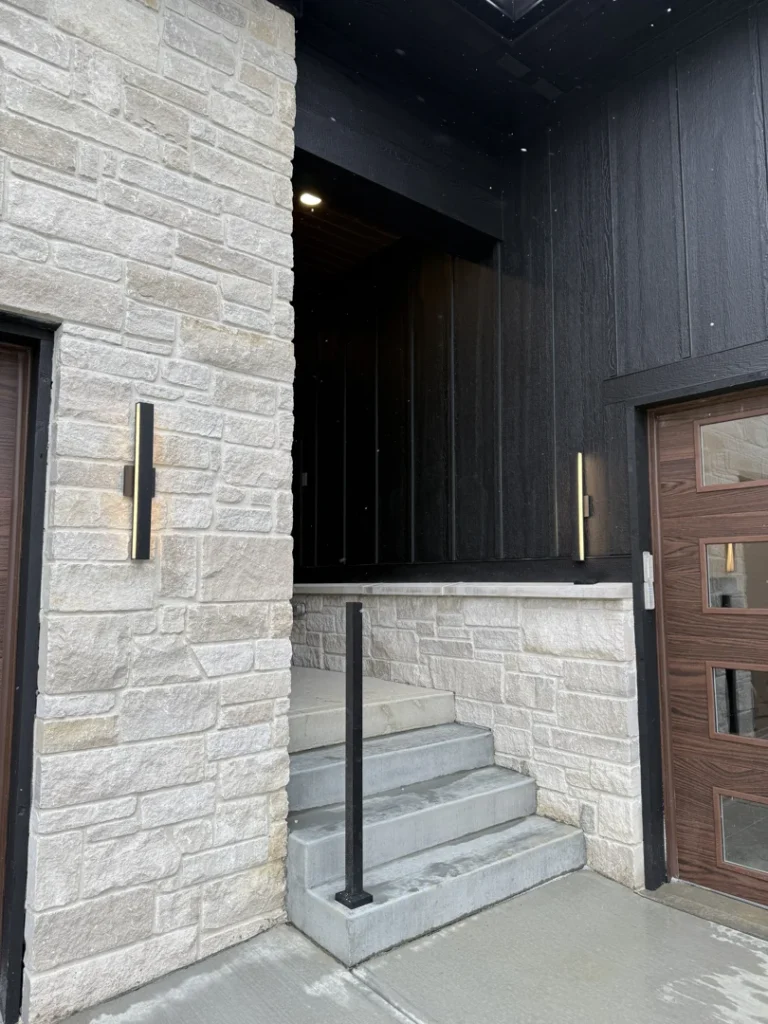
- Pathway Lights: These fixtures, often bollard-style or in-ground, are designed to line walkways, driveways, and garden paths. They provide subtle, downward-facing light to ensure safe passage without creating harsh glare. For maximum effectiveness and safety, pathway lights are best used in sets, spaced appropriately to create a continuous illuminated route.
- Spotlights and Well Lights: These are your tools for dramatic effect. Spotlights, typically mounted above ground, can be aimed to uplight trees, shrubs, or architectural elements, creating striking shadows and highlighting textures. Well lights are installed flush with the ground, offering a more discreet source of uplighting for similar purposes, often used to illuminate the base of larger trees or statues. Many spotlights offer adjustable beam angles, allowing you to precisely control the light’s spread.
- Uplighting and Downlighting: Uplighting involves directing light upwards to emphasize vertical features, while downlighting casts light downwards from a higher point (like a tree or pergola) to create a moonlit effect or illuminate broader areas.
Here are some key fixture placements for pathways and landscape features:
- Along walkways: Path lights spaced 3-10 feet apart, depending on brightness.
- At the base of prominent trees: Uplights or well lights to highlight their canopy and trunk.
- Highlighting garden beds: Small spotlights or in-ground lights to accentuate flowers and foliage.
- Near steps or changes in elevation: Low-level path lights or integrated step lights for safety.
- To define outdoor rooms: Subtle lighting around the perimeter of a patio or seating area.
- Accenting water features: Discreet spotlights to bring fountains or ponds to life at night.
High-Efficiency Security and Motion-Activated Systems
Security lighting is paramount for peace of mind, deterring intruders, and ensuring safe navigation in darker areas. Modern security lights are highly efficient and incorporate smart features for enhanced performance.
- Floodlights: These powerful fixtures cast a wide beam of light, ideal for illuminating large areas like driveways, garages, and the perimeter of your home. Many floodlights are now LED, offering significant brightness with minimal energy consumption.
- Motion Sensors: A cornerstone of effective security lighting, motion sensors automatically activate lights when movement is detected within a specified range. This not only surprises potential intruders but also alerts you to activity in your yard, whether it’s a delivery person or local wildlife. High-quality motion sensors can detect movement up to 70 feet away with a 180-degree detection angle, ensuring wide coverage.
- Dusk-to-Dawn Features: These lights automatically turn on at sunset and off at sunrise, providing consistent illumination throughout the night without manual intervention. This feature is excellent for general security and creating a continuously welcoming exterior.
- Intruder Deterrence and Pest Awareness: The sudden illumination from a motion-sensing floodlight is a strong deterrent for unwanted guests. It can also help you spot animals, whether they’re curious pets or nocturnal wildlife, before they cause damage.
- Energy Conservation: By only activating when needed (motion-sensing) or automatically adjusting to natural light levels (dusk-to-dawn), these systems are highly energy-efficient, minimizing electricity usage while maximizing security benefits.
Essential Factors for Designing Outdoor Lighting Systems
Designing an effective outdoor lighting system goes beyond simply choosing attractive fixtures. It involves a careful consideration of various technical and practical factors to ensure safety, efficiency, and the desired aesthetic outcome. From understanding brightness levels to navigating power sources and local regulations, a well-informed approach is key to a successful installation in Central Indiana.
Determining Optimal Brightness and Color Temperature
Brightness, measured in lumens, and color temperature, measured in Kelvin (K), are critical for achieving the right mood and functionality for different areas of your backyard.
- Lumens: Unlike watts (which measure energy consumption), lumens directly indicate the brightness of a light source. Security and motion sensor lights, for instance, require significantly more lumens to be effective than subtle pathway lights. Over-lighting an area can create glare and diminish the ambiance.
- Kelvin Scale: This scale describes the color appearance of light. Lower Kelvin values (e.g., 2700K-3000K) produce a warm white light, often described as soft or inviting, similar to incandescent bulbs. Higher values (e.g., 4000K-5000K) produce a cool white or daylight-like light, which is crisper and often preferred for task or security lighting.
- Glare Prevention: Proper fixture placement and lumen selection are crucial to prevent glare, which can be uncomfortable and reduce visibility. Aiming lights away from direct lines of sight and using diffusers can help.
- Accent and Task Lighting: Accent lighting, like that used for highlighting plants, requires lower lumens and often a warm color temperature to create a soft glow. Task lighting, such as for a grilling station, needs higher lumens and possibly a cooler temperature for better visibility.
Here’s a general guide for recommended lumen ranges and color temperatures by lighting application:
Lighting Application Recommended Lumen Range (approx.) Recommended Color Temperature (K) Purpose Pathway/Step Lighting 10-100 lumens 2700K-3000K (Warm White) Safety, subtle guidance, ambiance Accent/Garden Spotlights 50-300 lumens 2700K-3500K (Warm to Neutral White) Highlighting features, creating depth Deck/Patio Ambient 50-200 lumens (per fixture) 2700K-3000K (Warm White) General illumination, cozy atmosphere Decorative Wall Sconces 50-200 lumens 2700K-3500K (Warm to Neutral White) Architectural enhancement, soft ambient light Security/Floodlights 700-6000+ lumens 4000K-5000K (Cool White/Daylight) Deterrence, wide area illumination, high visibility Task Lighting (e.g., Grill) 200-700 lumens 3500K-4000K (Neutral to Cool White) Functional light for specific activities String Lights 1-5 lumens (per bulb) 2200K-2700K (Very Warm to Warm White) Mood setting, festive ambiance Comparing Power Sources and Wiring Methods
The choice of power source and wiring method significantly impacts installation complexity, cost, and long-term reliability. Each option has its unique benefits and considerations.
- Low-Voltage (12V) Systems: These are popular for DIY installations due to their inherent safety. A transformer steps down your home’s 120-volt electrical supply to a mere 12 volts, making the wiring much less hazardous. Kits typically include lights, cable, and a transformer. Installation often involves shallow trenching for cables or even leaving them above ground, though burying provides better protection. It’s crucial to plug the transformer into a Ground Fault Circuit Interrupter (GFCI) outlet for safety.
- Hardwired (120V) Systems: Offering consistent power without battery concerns, hardwired lights are permanently connected to your home’s electrical system. This method is ideal for permanent fixtures like wall sconces, ceiling lights, and powerful floodlights. However, installation requires a certified electrician, especially if new wiring or junction boxes are needed. Electrical safety is paramount, and local codes must be strictly followed.
- Solar Power: Environmentally friendly and easy to install, solar lights charge internal batteries during the day and automatically turn on at dusk. They eliminate the need for wiring, making them incredibly versatile for pathways, garden accents, and fence lighting. Performance depends on adequate sunlight exposure (typically 6-8 hours daily), and their brightness and duration can vary with weather conditions.
- Battery Systems: For areas where wiring or consistent sunlight is impractical, battery-powered lights offer flexibility. These are often used for temporary decorative lighting or small, motion-activated security lights. While easy to install, they require periodic battery replacement or recharging.
When planning your system, always prioritize installation safety. If you’re unsure about any electrical work, especially with hardwired systems, consulting a professional electrician is always recommended.
Weatherproofing and Durability in Residential Backyard Lighting Solutions
Given Central Indiana’s diverse weather patterns, from humid summers to freezing winters and abundant precipitation, the durability and weather resistance of your outdoor lighting are non-negotiable.
- IP Rating (Ingress Protection): This international standard indicates a fixture’s resistance to solids (like dust) and liquids (like water). For outdoor use, an IP rating of IP44 or higher is generally recommended. An IP65 rating signifies protection against dust ingress and low-pressure water jets from any direction, making it suitable for most outdoor applications. An IP68 rating offers protection against continuous immersion in water, ideal for in-ground or underwater lights.
- Marine-Grade Finishes: For enhanced corrosion prevention, especially in areas with high humidity or exposure to de-icing salts, marine-grade finishes (often made from specific alloys or coatings) provide superior protection against rust and degradation.
- Shatterproof Housings and Bulbs: Durability extends to the materials themselves. Shatterproof bulbs, often made from polycarbonate, are safer and more resilient to impacts, whether from falling branches or accidental bumps. Robust fixture housings can withstand temperature fluctuations and physical stresses.
- Freeze Resistance: Materials must be able to endure freezing temperatures without cracking or becoming brittle. Look for fixtures designed specifically for cold climates.
- Corrosion Prevention: Beyond marine-grade finishes, consider fixtures made from materials like aluminum, stainless steel, or high-quality plastics that naturally resist rust and corrosion. Regular cleaning can also extend the life of your fixtures by removing corrosive elements.
Investing in lights with appropriate IP ratings and durable construction ensures your backyard illumination will withstand the elements and continue to shine brightly for many seasons to come.
