


Key Takeaways
- Regular maintenance helps prevent comfort problems from becoming expensive emergency repairs.
- Airflow, humidity, insulation, water heating, and electrical safety all affect how a home feels and operates.
- Simple seasonal checks can reveal problems before extreme heat or cold puts systems under heavy strain.
- Many efficiency improvements begin with low-cost tasks, including changing filters, clearing vents, and sealing drafts.
- Gas, refrigerant, major electrical, and combustion-related work belongs to qualified professionals.
Home comfort is not limited to the number displayed on a thermostat. It is the result of heating and cooling performance, indoor air movement, moisture control, safe electrical systems, and reliable hot water. For homeowners who need dependable cooling services in Northern Virginia, a practical checklist can make it easier to spot warning signs before a minor issue becomes a summer breakdown.
A consistent routine also supports better energy decisions. Instead of replacing equipment in a rush after it fails, homeowners can track changes in utility bills, room temperatures, and system behavior over time. If a once-comfortable bedroom suddenly feels warm, stuffy, or slow to cool, that observation may point to an airflow or insulation issue worth addressing early.
Start With a Room-by-Room Comfort Check
Walk through the house at different times of day and write down anything that feels unusual. Include the room, date, weather conditions, and the problem you noticed. Patterns are more useful than a single complaint.
- Uneven temperatures between rooms or floors
- Stale air, persistent odors, or excess dust
- Very dry air in winter or excess indoor moisture in warm weather
- Drafts near windows, doors, outlets, or attic access points
- Whistling, rattling, buzzing, or banging equipment sounds
- Rooms that take much longer than usual to heat or cool
Repeated comfort problems can indicate blocked vents, duct leakage, insulation gaps, thermostat placement issues, or equipment that needs service. A written record helps a technician understand the history rather than relying on a quick description during an appointment.
Keep Heating and Cooling Equipment Ready
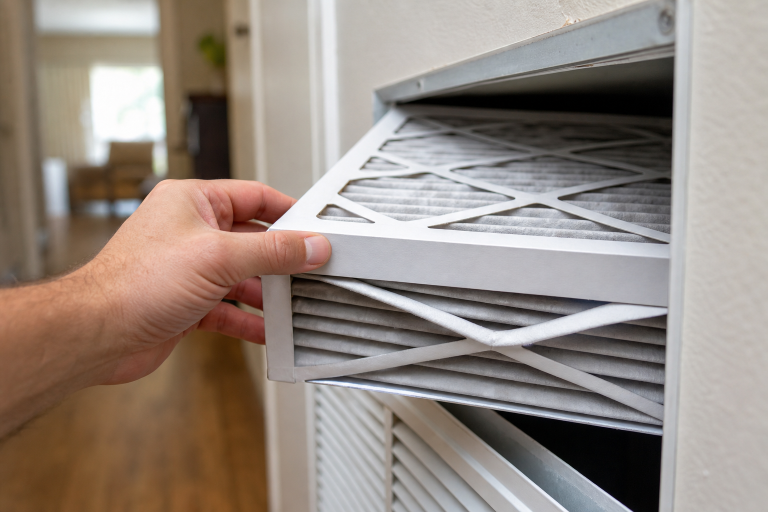
Check air filters monthly during periods of heavy use, and replace or clean them according to the equipment manufacturer’s instructions. A clogged filter restricts airflow, can make a system work harder, and may contribute to uneven temperatures. The recommended seasonal maintenance tasks also include professional pre-season checkups, ideally in spring for cooling equipment and fall for heating equipment.
Preparing equipment before weather conditions become demanding helps keep system components operating efficiently. Scheduling regular system checkups through Ocean State Air Conditioning & Heating of Neptune Beach allows technicians to evaluate overall system performance, identify minor operational wear, and clear accumulated debris. This routine care supports consistent airflow and prevents sudden equipment failures during extreme seasonal temperatures.
Local weather conditions can place heavy demands on heating and cooling systems throughout the year, making early inspection essential. Homeowners seeking reliable assistance with system maintenance or seasonal tune-ups can Visit our Arlington Heights location to consult with technicians who can evaluate equipment performance, clean essential components, and identify potential issues before severe weather arrives.
Scheduling regular inspections ensures that essential mechanical parts remain clean and functioning properly before severe weather sets in. Property owners who utilize professional Florence AL HVAC services can catch minor system wear early, helping maintain steady indoor airflow and preventing unexpected energy spikes throughout the year.
Outside, keep the area around a condenser or heat pump clear of leaves, grass clippings, branches, and stored items. Indoors, make sure supply vents and return grilles are open and not hidden behind rugs, furniture, curtains, or boxes.
What a Qualified Technician May Inspect
- Thermostat operation and system cycling
- Electrical connections, voltage, and safety controls
- Condensate drains and signs of water backup
- Coils, blower components, and overall airflow
- Refrigerant-related performance, where applicable
- Burners, combustion, and heat-exchanger conditions on applicable heating systems
Improve Airflow Before Replacing Equipment
A new HVAC unit cannot fully solve comfort problems caused by leaking ducts, crushed duct sections, poor attic insulation, or major air leaks. Check accessible ductwork for disconnected joints, missing insulation, or visible gaps. Do not enter unsafe crawlspaces or disturb sealed duct materials, but make note of what you can see.
Consider an energy audit if multiple rooms remain uncomfortable while the system otherwise appears to run normally. Sealing air leaks, insulating ductwork in unconditioned spaces, and correcting return-air problems may improve comfort without requiring an immediate equipment replacement.
Use Thermostats With a Clear Plan
Choose settings that match the household’s work, school, sleep, and travel routines. Manual thermostats require regular adjustment. Programmable models follow schedules, while smart thermostats can offer scheduling and occupancy-based features. The best option is the one everyone in the home can understand and use consistently.
- Keep the thermostat away from direct sun, cooking heat, and drafty areas.
- Check whether its reading generally matches the room’s actual comfort level.
- Watch for frequent short cycling or unusually long run times.
- Avoid large, constant setting changes that create discomfort and make performance harder to evaluate.
Check Water Heating, Plumbing, and Electrical Safety
Inspect the water heater area for rust, drips, unusual popping sounds, damaged supply lines, or damp flooring. Look at visible shutoff valves and exposed pipes, especially before freezing weather. Water heating can be a meaningful household energy expense, and the home energy checklist recommends a water-heater setting of about 120°F to help reduce energy use and scalding risk when appropriate for the household.
Do not open sealed combustion compartments or attempt gas-line repairs. Call for qualified service if you smell gas, see corrosion near fuel connections, or suspect a venting problem.
Electrical checks matter just as much. Watch for warm outlets, flickering lights, buzzing sounds, burning odors, damaged cords, and breakers that trip repeatedly. Keep the electrical panel accessible, and never use extension cords as permanent wiring for heaters, large appliances, or essential equipment. Test smoke alarms and carbon monoxide alarms regularly, following the manufacturer’s instructions.
Plan Tasks by Frequency
- Monthly: Check filters, vents, visible leaks, alarm operation, and unusual equipment noises.
- Seasonally: Clear outdoor equipment, test thermostat schedules, inspect drafts, and prepare heating or cooling systems before peak weather.
- Annually: Schedule professional maintenance, review utility bills, inspect the water heater area, and assess aging equipment.
- Before major weather: Save emergency contacts, protect exposed pipes, charge backup devices, and confirm that critical equipment has safe power.
Decide Between Repair, Upgrade, and Replacement
Age alone should not decide whether equipment is replaced. Compare its repair history, operating costs, comfort performance, parts availability, safety concerns, and likely remaining service life. Request a written diagnosis that explains the issue, the repair options, and the expected result of each choice.
If replacement is recommended, ask about proper sizing, duct condition, airflow, installation quality, warranty coverage, and ongoing maintenance needs.
Heating system reliability becomes particularly important during sudden winter cold snaps when equipment runs continuously. Addressing minor ignition issues or unusual burner noises early can prevent complete system failure during severe weather. Homeowners in need of prompt assistance during heating breakdowns often rely on a furnace repair service in Raleigh to inspect mechanical components and restore steady heat before temperatures drop significantly indoors.
The lowest upfront price is not always the strongest long-term value when poor installation or incorrect sizing leads to comfort problems later.
Know When to Call for Professional Help
Seek urgent assistance for gas odors, smoke, burning smells, carbon monoxide alarm activity, electrical sparks, water near electrical equipment, no heat during freezing conditions, or a system that repeatedly shuts down. Routine service is appropriate for declining performance, new noises, recurring drain issues, or unexplained increases in energy use.
When unexpected cooling failures happen during peak summer temperatures, waiting days for a routine appointment is rarely practical. Homeowners facing sudden breakdowns or complete system shutoffs can rely on emergency AC repair in Slidell to quickly restore safe indoor temperatures and protect their homes from excessive heat and humidity. Addressing critical cooling issues right away helps preserve indoor air quality and prevents minor mechanical problems from causing severe component damage.
A safer, more efficient home is usually built through steady attention rather than one large purchase. Choose three items from this checklist to complete this week, put seasonal reminders on the calendar, and address small warning signs while there is still time to make a calm, informed decision.
