


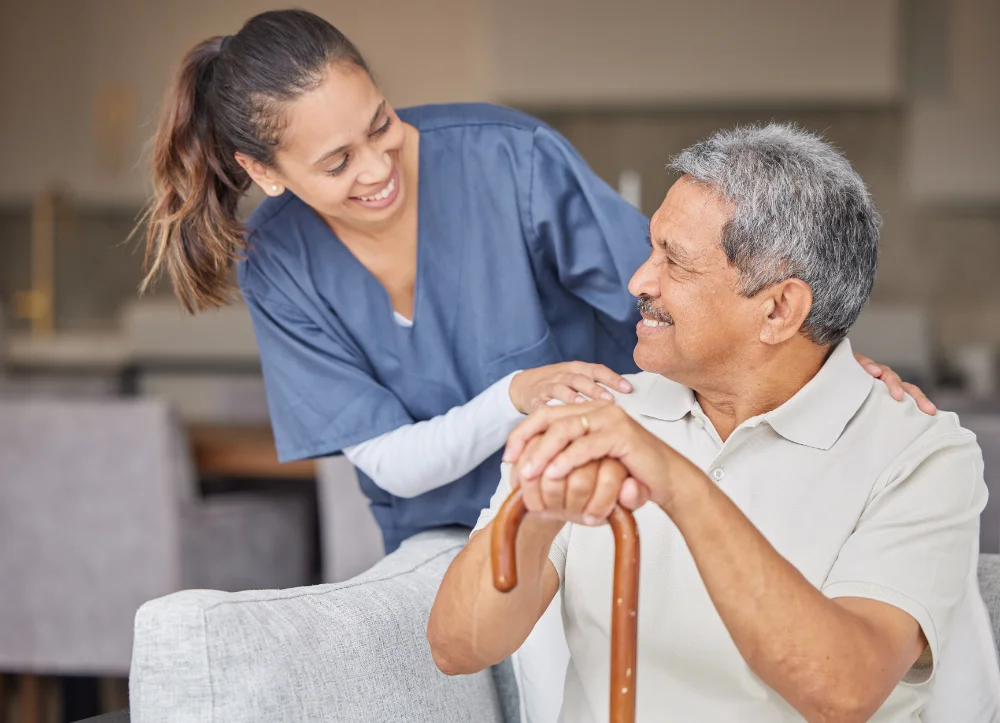
Home health aides (HHAs) play a pivotal role in delivering personalized care to individuals within the comfort of their homes. Their responsibilities encompass a wide range of tasks aimed at enhancing the quality of life for clients who may be elderly, disabled, or managing chronic illnesses. From personal care to emotional support, a home health aide’s work impacts daily living and overall well-being. In addition to core caregiving tasks, HHAs should consider important protections such as Home Health Aide insurance which safeguards both aides and their clients from unforeseen risks.
Becoming an effective HHA is more than completing daily routines. The role requires building trust, ensuring safety, and staying up to date with training and best practices. Compassion, attention to detail, and professional conduct are the cornerstones of this meaningful profession.
As healthcare continuously evolves, HHAs are integral in enabling clients to maintain independence and dignity at home. Through dedication and a commitment to holistic care, aides support not only physical health but also the emotional needs of those they assist.
Ultimately, embracing essential caregiving practices equips HHAs to serve a diverse and growing population in need of home-based services. Their kind and competent care allows many clients to stay in familiar surroundings and enjoy a better quality of life.
Understanding the Role of a Home Health Aide
Home health aides assist clients with activities of daily living (ADLs) that they are no longer able to perform independently due to injury, disability, or chronic illness. Their daily responsibilities can include helping with bathing and grooming, assisting with toileting needs, and supporting meal preparation and feeding. In addition, HHAs may help clients dress, support their mobility through safe transfers or walks, and provide reminders to take medications as prescribed by healthcare professionals. Shopping, housekeeping, and laundry are often essential services as well. Perhaps most importantly, companionship activities such as engaging in conversation or leisure pursuits contribute significantly to a client’s emotional well-being.
Understanding these responsibilities is fundamental to providing holistic care that is tailored to the unique needs and preferences of each client. As every individual’s situation is different, adaptability and sensitivity are crucial elements in the HHA role. For more about typical duties and training requirements, the U.S. Bureau of Labor Statistics offers an in-depth overview of home health aide job responsibilities.
Effective Communication and Empathy
Clear and compassionate communication is essential in home health care. HHAs should actively listen to clients’ concerns and preferences, making them feel heard and respected. Speaking in simple, straightforward, and respectful language when explaining care procedures fosters understanding and cooperation. Additionally, being mindful of non-verbal cues, such as facial expressions, body language, or shifts in mood, can help identify discomfort, anxiety, or physical needs that clients may not express out loud.
Empathy allows aides to connect with clients on a personal level, building trust and cooperation. For example, acknowledging a client’s feelings about their health condition or changes in their routine can make them feel respected and supported. A strong rapport not only increases the effectiveness of care but also helps clients adjust to receiving assistance in a home environment, which can sometimes feel intrusive or overwhelming.
Maintaining Professionalism
Professionalism shapes the relationship between home health aides and their clients. This includes punctuality, reliability, and maintaining clear professional boundaries. Respecting client privacy and confidentiality is key, especially when dealing with personal and health information. Dressing appropriately and prioritizing personal hygiene reinforces a responsible and trustworthy image. All care activities should be documented accurately and promptly to ensure continuity of care and to comply with regulatory requirements.
Adhering to these professional standards not only fosters client trust but also creates a positive, effective work environment. Professional conduct is particularly important when interacting with family members and healthcare teams, as it reflects the integrity of both the aide and any agency represented.
Prioritizing Safety
Ensuring safety is a primary responsibility for both clients and caregivers. HHAs are expected to regularly assess the living environment for hazards, such as loose carpets, poor lighting, or cluttered walkways, that could cause falls or accidents. Using correct lifting and transferring techniques helps prevent injuries for both the aide and the client. Following infection control protocols, including regular handwashing and using appropriate personal protective equipment when required, is critical for preventing the spread of communicable diseases. The Centers for Disease Control and Prevention provides valuable guidance on infection control for caregivers.
Regular training on safety practices and emergency preparedness ensures that HHAs remain ready to handle a range of situations safely and effectively.
Continuous Education and Training
Healthcare is a rapidly evolving field. Ongoing education ensures that HHAs stay informed about the latest best practices, techniques, and healthcare trends. Attending training, workshops, or pursuing additional certifications widens an aide’s skill set and ultimately improves care quality. For example, updated coursework on infection prevention strategies or mobility assistance can greatly reduce accident risk and disease transmission within clients’ homes.
Staying proactive about professional growth not only benefits the aide but also reassures clients and their families that their health and safety are prioritized through evidence-based care strategies.
Self-Care for Home Health Aides
Caring for others can be physically and emotionally taxing. HHAs must prioritize their own health to provide sustainable, high-quality support to their clients. Taking regular breaks, practicing stress management techniques, and seeking support from supervisors or colleagues can help prevent burnout. Engaging in activities that promote both mental and physical well-being, such as exercise, hobbies, or spending time with loved ones, is essential for maintaining balance. Many professional organizations offer emotional support resources and advice for healthcare workers facing the unique challenges of this profession.
Building Strong Client Relationships
Building trust and rapport is vital for creating a supportive care environment. HHAs can strengthen relationships by demonstrating genuine interest in clients’ lives and histories. Being patient and understanding when faced with challenging behaviors or situations also establishes respect. Encouraging a client’s sense of autonomy and involving them in decisions about their care promotes dignity and independence. Consistency and dependability over time foster meaningful connections, which improve the overall caregiving experience for clients and aides alike.
Conclusion
Home health aides are indispensable members of the healthcare community, offering personalized and essential services that enable clients to remain comfortably at home. By focusing on clear communication, professionalism, safety, continued education, self-care, and the cultivation of strong relationships, HHAs set the standard for quality care. With dedication and compassion, home health aides not only support the physical health of their clients but also enhance their independence and sense of well-being.
