


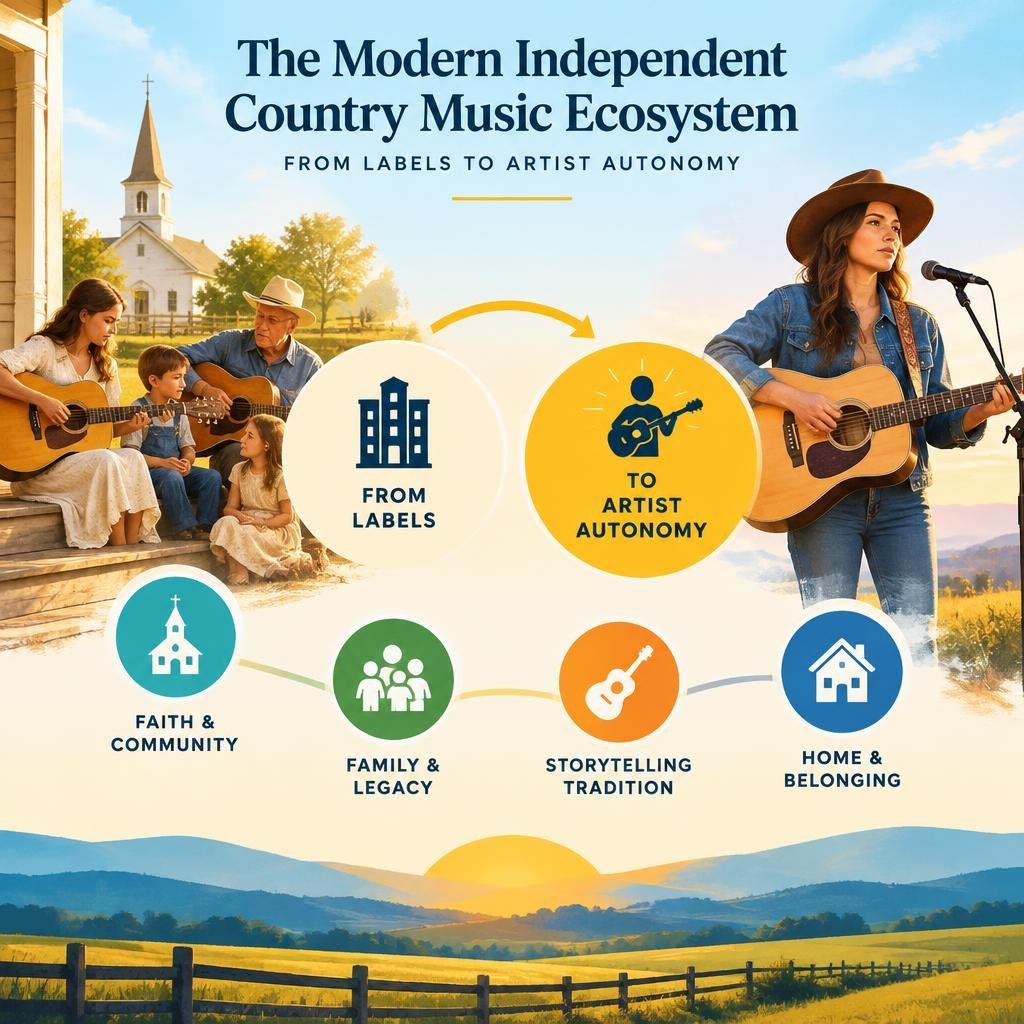
Cultural Roots: Gospel Heritage and Multi-Generational Legacies
To understand why independent country artists are gravitating toward themes of home and kinship, we must look at the foundation of the genre. Country music did not emerge in a vacuum; it was born in the pews of Southern churches and on the front porches of rural homesteads. The gospel heritage—characterized by communal singing, vocal harmonies, and a focus on spiritual resilience—provided the blueprint for what we now recognize as the country sound.
Early legends like the Carter Family demonstrated that music was a family affair, not a corporate product. By weaving together stories of faith, loss, and endurance, they established a template where the song served as a vessel for moral instruction. This tradition of intergenerational storytelling remains a vital pillar of the genre. When contemporary artists lean into these roots, they aren’t just playing music; they are participating in a long-standing cultural conversation that values the “common man” and the sanctity of the home.
Preserving Heritage in Independent Country Music
The “second-generation” phenomenon—where children of country icons continue the work of their parents—serves as a living archive of the genre’s values. Artists who grew up in the shadow of giants like Hank Williams or Conway Twitty often possess a unique perspective on the weight of legacy. For these musicians, preserving the musical lineage is about more than just covering old hits; it is about maintaining the acoustic instrumentation and narrative traditions that define the genre.
By performing in intimate settings and sharing personal anecdotes about their upbringing, these artists bridge the gap between the past and the present. They show that the values of hard work and modesty aren’t just historical relics; they are living, breathing components of the country identity that can be adapted for modern, independent careers.
Moral Frameworks and Southern Religious Traditions
The influence of Southern religious heritage cannot be overstated. For many, the church choir was the first school of music, teaching the power of a simple, resonant melody and the importance of lyrics that speak to the human condition. This spiritual upbringing instilled a sense of duty to tell the truth in one’s songwriting. Even in secular tracks, the cadence of the hymn and the focus on redemption or gratitude often shine through, providing a moral anchor that resonates with listeners who are looking for something more substantial than fleeting pop trends.
The Core Themes: Faith, Identity, and Cultural Narratives
In the academic study of country music, scholars often point to six dimensions that construct an “American” identity: the goodness of the common man, patriotism, religion, race, nostalgia, and, most prominently, family. These are not merely lyrical choices; they function as symbolic politics. By highlighting these themes, artists create a map of a specific cultural identity that feels both protective and grounded.
For those interested in how these themes are utilized to create a sense of belonging, exploring the nuances of country music family values reveals how the genre acts as a cultural touchstone. It provides a space where listeners can see their own lives—weddings, sporting events, and the struggle to provide for a family—reflected back to them with dignity.
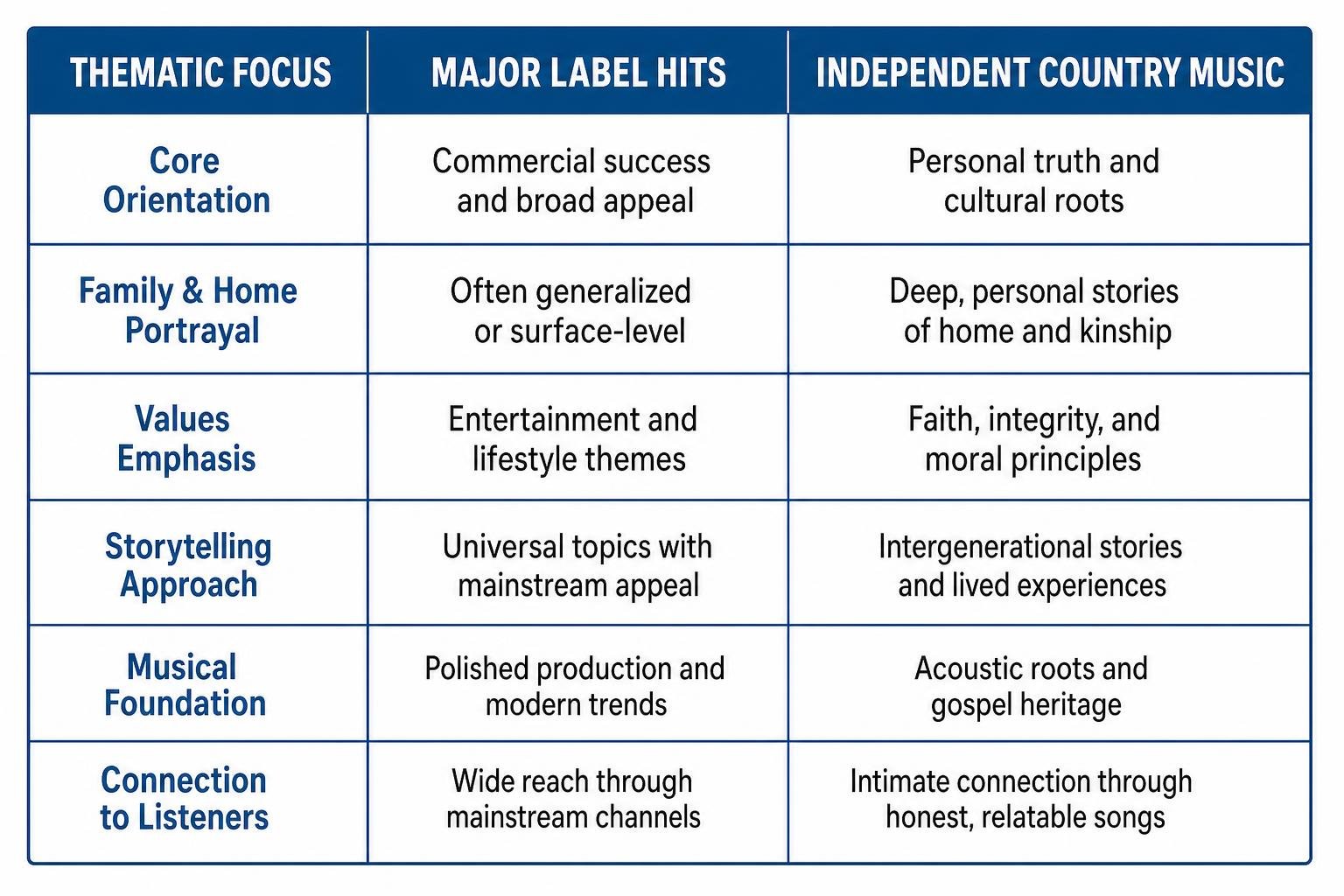
Case Studies in Modern Values-Driven Songwriting
Modern songwriters have mastered the art of making the personal feel universal. Take, for instance, Lori McKenna’s “Humble and Kind.” Originally written as a private list of principles for her own children, the song’s transition to a Grammy-winning anthem for Tim McGraw highlights the power of domestic realism. It doesn’t rely on grand, abstract concepts; it focuses on the small, actionable moments—holding the door, saying thank you, and staying grounded.
Similarly, Chris Janson’s work on his album Real Friends showcases a commitment to “family-oriented” music. Janson has spoken openly about his desire to create art that makes people feel good, prioritizing his role as a father and husband over the pressures of the industry. His song “Done,” written about his wife, serves as a testament to the idea that the most authentic country songs are those that prioritize personal truth over commercial trends.
Navigating Identity Politics and Dissenting Perspectives
It is important to acknowledge that the focus on “family values” is not without its critics. Some scholars argue that this emphasis can be exclusionary, functioning as a form of identity politics that defines who is “in” and who is “out” of the American fold. Critics point to the genre’s historical struggles with gender roles, the over-glorification of alcohol, and the tendency to romanticize a version of the past that may not have been inclusive for everyone.
However, the independent movement is beginning to challenge these tropes. By moving away from the rigid formulas of major labels, independent artists are finding the space to tell more diverse, nuanced stories. They are exploring what it means to be a modern family, including the struggles of the working class and the realities of life in a changing landscape, without sacrificing the genre’s core spirit.
Navigating the Commercial Pressures in Independent Country Music
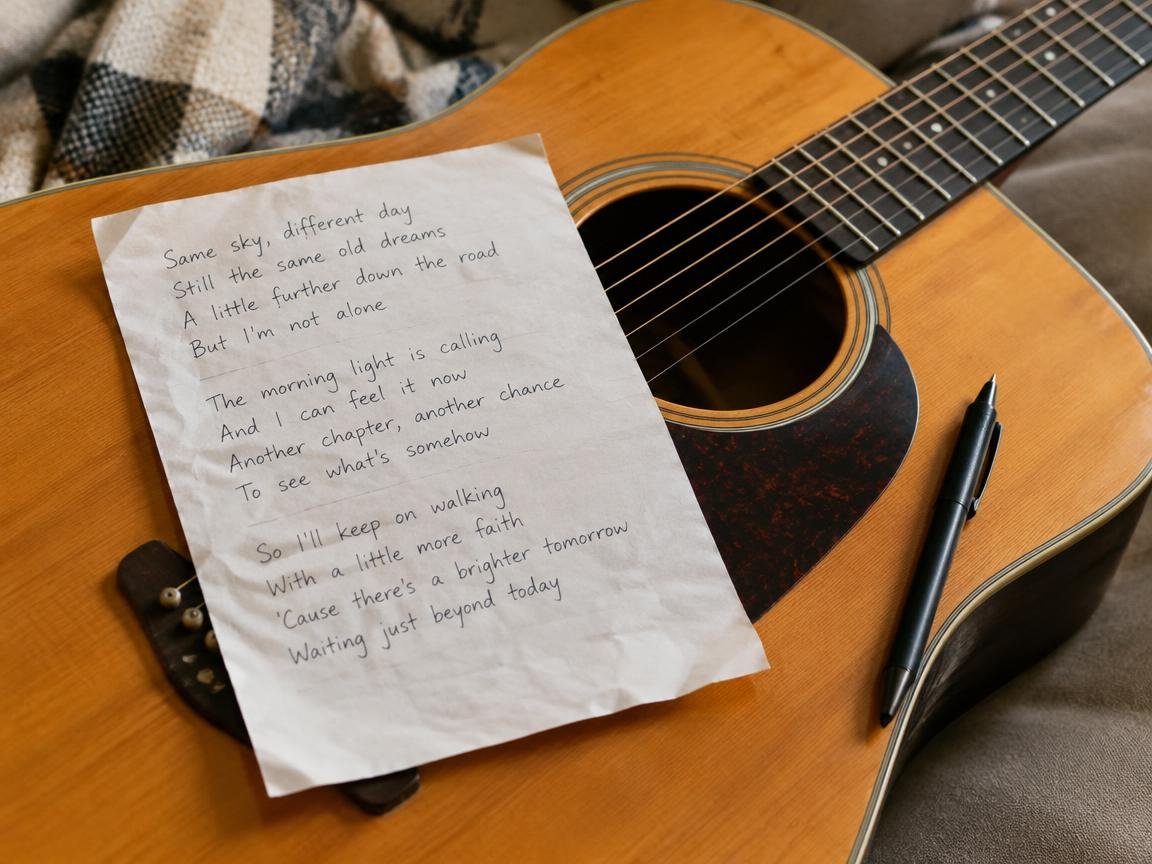
The pressure to conform to radio-friendly templates is a constant challenge for any country artist. Major labels often demand a certain “polish” that can strip a song of its emotional weight. Independent artists, however, are finding that the most effective way to combat this is through radical transparency. By recording in home studios and bypassing traditional gatekeepers, they can maintain the “vibe” that a sterile, high-budget studio might kill.
This approach is not just about cost-cutting; it is about artistic integrity. When an artist records in a space that feels like home, the listener can hear the difference. There is an intimacy in the production that mirrors the intimacy of the lyrics, creating a bond of trust between the artist and the fan that is increasingly rare in the digital age.
Why Independent Country Music Prioritizes Storytelling over Commercial Polish
The shift toward independent production has allowed for a resurgence in storytelling. When an artist is not worried about fitting into a three-minute radio slot designed by committee, they have the freedom to let a narrative breathe. This is why artists like Chris Janson can successfully record at home; the focus remains on the story of the song rather than the technical perfection of the track. This prioritizes the listener’s experience, inviting them into a shared space of reflection and genuine emotion.
Songwriting Mechanics: Translating Personal Truths into Universal Anthems

How do these artists make a song about a specific family experience feel like it belongs to everyone? It comes down to a few foundational techniques:
- Simple Chord Progressions: By keeping the music accessible, the focus remains entirely on the lyrics. A three-chord structure is often all that is needed to carry a profound message.
- Direct Address: Using “you” and “I” creates an immediate, conversational connection. It turns the song into a letter from the artist to the listener.
- Autobiographical Detail: Small, specific details—the way a porch light looks, the smell of a kitchen, or a specific childhood memory—make the song feel tangible. Paradoxically, the more specific the detail, the more universal the feeling becomes.
- Melodic Restraint: Allowing the voice to carry the emotion without excessive production flourishes keeps the performance honest.
Frequently Asked Questions about Independent Country Music
How do independent country artists maintain authentic themes without major label backing?
Independent artists rely on direct-to-consumer platforms, grassroots touring, and crowdfunding to sustain their careers. This independence gives them full creative control, allowing them to write about their own lives and family values without needing to clear their themes through a corporate marketing department.
How has the definition of family and traditional themes evolved in modern country songwriting?
Modern country is increasingly reflecting the complexities of contemporary life. While the core values of love and resilience remain, the narratives have expanded to include dual-income households, the challenges of modern parenting, and a more open discussion about mental health and personal growth.
What songwriting techniques best convey personal narratives to mass audiences?
The most effective technique is the use of “the specific to reach the universal.” By grounding a song in real, lived experiences—autobiographical details that feel raw and unvarnished—an artist invites the listener to project their own experiences onto the story, making the song feel like it was written just for them.
Conclusion
The rise of independent country music is a testament to the enduring power of the genre’s roots. By prioritizing country music family values and embracing the freedom of independent production, artists are ensuring that the heart of country music remains intact. As we look to the future, it is clear that the most successful songs will continue to be those that are born from personal truth, nurtured by tradition, and shared with a community that values authenticity above all else. The machinery of the industry may change, but the need for stories that reflect our lives, our families, and our values will always remain.
