


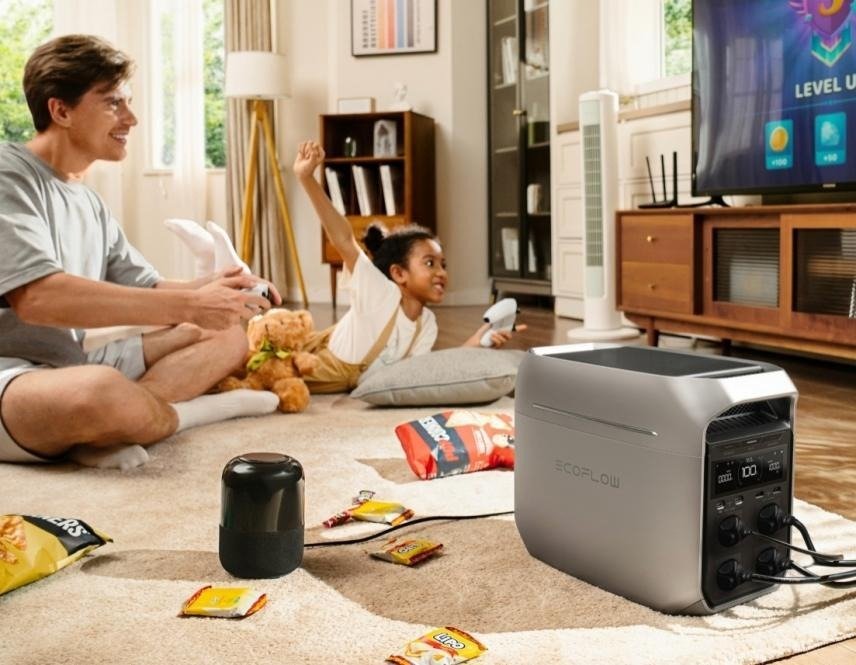
High-capacity lithium power stations solve a clear problem: they keep devices running longer and handle bigger loads than compact models. That makes them attractive for backup power, outdoor work, RV use, and emergencies. Still, more capacity is not automatically better for every buyer. Larger units usually cost more, weigh more, take longer to recharge, and may deliver far more stored energy than a person actually uses. The smarter choice is to match battery size to real habits, devices, and outage needs. A well-sized power station often delivers better value, easier transport, and more practical daily use than the biggest option available.
Advantages of High-Capacity Power Stations
Longer Runtime for Heavy Devices
The biggest advantage of a high-capacity lithium power station is longer runtime. If you need to power a portable fridge, CPAP machine, camera batteries, laptops, lighting, or communication equipment for many hours, extra battery capacity reduces the need for frequent recharging. This matters most in remote campsites, mobile work setups, and blackout situations where charging access is limited. Larger capacity also gives users more flexibility to run several devices across the same day without constantly checking remaining battery percentage. For people who rely on dependable off-grid energy, that added reserve can improve convenience and reduce stress, especially when weather, travel schedules, or emergency conditions make power availability uncertain for extended periods.
Better Support for High-Watt Appliances
Higher-capacity units are often better suited to high-watt appliances because larger systems are commonly designed with stronger inverter output and expansion options. That makes them more practical for appliances such as microwaves, coffee makers, electric kettles, or power tools that demand short bursts of substantial power. A useful example is the EcoFlow DELTA 3 Plus Portable Power Station, which offers expandable 1–5 kWh capacity through compatible extra batteries, giving users room to scale as power needs grow. When a power station supports both higher loads and longer runtimes, it becomes more than a convenience device. It can serve as a serious backup solution for job sites, road trips, and partial home emergency support.
When Bigger Is NOT Better
Portability and Weight Limitations
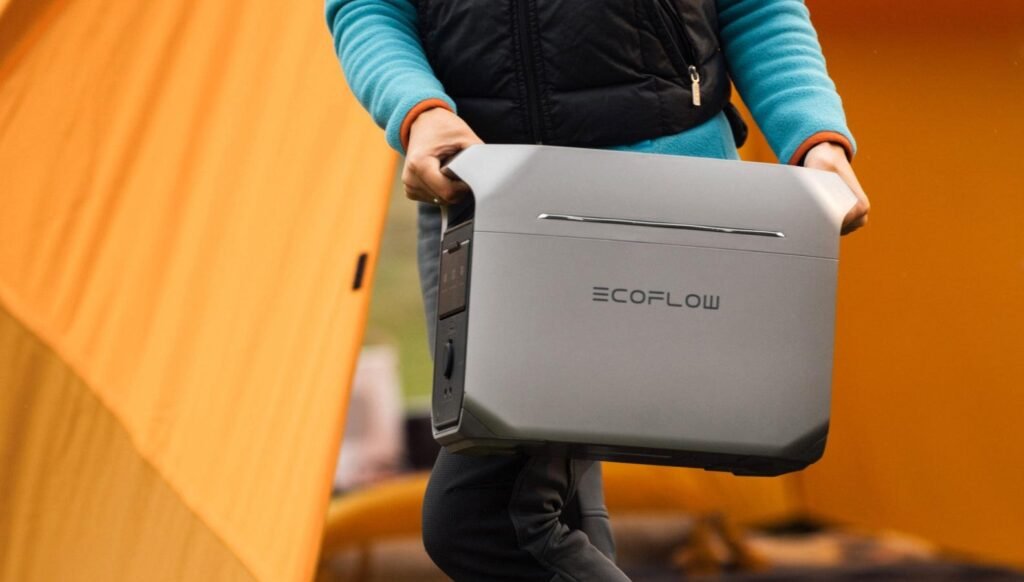
A large battery is helpful only if you can realistically move and use it where needed. High-capacity lithium power stations tend to be heavier and bulkier, which can limit their usefulness for camping, tailgating, car travel, and frequent room-to-room movement at home. If you must carry the unit up stairs, lift it into a vehicle, or reposition it often, weight quickly becomes a daily frustration. Even well-designed models require tradeoffs between capacity and mobility. For example, the EcoFlow DELTA 3 Plus has a net weight of 12.5 kg, which remains manageable for many users, but heavier expanded setups become less convenient. Portability matters because practical access often beats having the largest battery on paper.
Higher Cost and Underuse Risks
Buying more capacity than you need often means paying for stored energy that rarely gets used. High-capacity lithium power stations usually carry a higher upfront price, and that cost makes sense only when your devices, routines, or backup goals justify it. If your typical needs are charging phones, laptops, lights, and a few small accessories, a very large unit may spend most of its life partially unused. That weakens the value proposition and ties up budget that could go toward solar charging, accessories, or another essential tool. Oversizing can also create a false sense of optimization when the better decision is simply choosing a lighter, lower-cost model that fits actual usage patterns more closely.
Matching Capacity to Real Use Cases
Camping, Travel, and Light Daily Use
For camping, weekend travel, and light daily use, moderate capacity usually makes more sense than the largest available battery. Many users mainly need to charge phones, tablets, cameras, drones, lights, and perhaps a small fan or mini cooler. In those situations, easy carrying, quick setup, and efficient recharging often matter more than having maximum stored energy. A compact or mid-size lithium power station is also easier to fit in a car trunk, tent setup, or small apartment. Choosing practical capacity helps avoid unnecessary weight and expense while still covering real needs comfortably. For casual outdoor use, remote work sessions, or short trips, balanced portability and performance usually beat sheer battery size.
Home Backup and Emergency Scenarios
Home backup is where higher capacity becomes easier to justify, especially when you need to support essential devices through outages. Refrigerators, routers, medical devices, lights, fans, and charging stations can quickly add up, and longer blackouts reward larger energy reserves. A higher-capacity lithium power station can also reduce the stress of load management because you are not forced to ration every watt immediately. Even so, the best choice is one sized to your priority circuits and expected outage length. If your goal is emergency coverage for basics rather than whole-home support, a scalable unit can be more practical than going straight to maximum capacity. Backup planning works best when it starts with real household loads.
Conclusion
High-capacity lithium power stations are better when you need longer runtime, support for demanding appliances, or dependable emergency backup. They are not better when extra weight, higher cost, and oversized storage reduce everyday practicality. The right choice is to size the power station around your actual devices, mobility needs, and outage expectations. For travel and light use, smaller or mid-size options are often the smarter buy. For backup and heavier loads, higher capacity earns its place. The best power station is not the biggest one available. It is the one you will use efficiently, comfortably, and consistently.
