



Roadside assistance programs can offer crucial support when unexpected vehicle issues strike, potentially turning a stressful situation into a manageable one. If you find yourself stranded with a flat tire, dead battery, or locked out of your car, knowing that help is just a phone call or app request away provides significant peace of mind. Choosing from available AAA membership plans and similar programs ensures drivers have options that suit their unique needs on the road. Exploring the features, limitations, and access points for roadside assistance services empowers you to make the most of these programs. Whether you drive daily for long commutes or take the occasional road trip, the right coverage not only provides emergency assistance but may also protect your travel plans and budget. Some drivers find additional peace of mind knowing that these services are often available 24/7, regardless of weather or time of day. This around-the-clock access can be a lifesaver during late-night breakdowns or while traveling far from home, underscoring the practical value of roadside assistance coverage beyond simply fixing mechanical issues.
Understanding Roadside Assistance Services
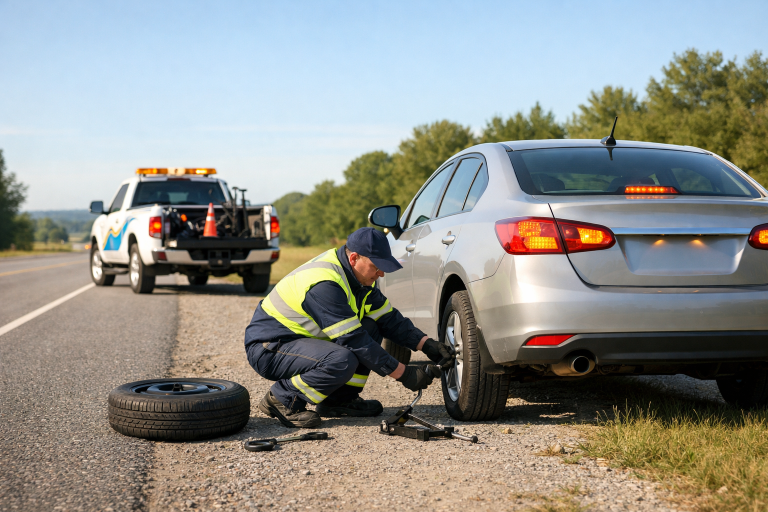
Most roadside assistance programs offer a range of services designed to keep you and your vehicle safe and mobile. Common offerings include towing services to a local repair shop if your car cannot be fixed at the roadside, battery jump-starts to help you get moving again, and flat tire changes utilizing your vehicle’s spare. Additional help, such as fuel delivery when you run out of fuel or lockout assistance if you misplace your keys, is often available as well. Coverage specifics can differ significantly from one provider to another. While many plans offer a set of core services, it is important to examine the details of each plan to understand what is and is not included. Some programs, for example, include the cost of fuel delivered to you, while others may charge extra or offer only enough to get you to the nearest gas station.
Choosing the Right Roadside Assistance Plan
When selecting a roadside assistance program, align your choice with your driving habits, location, and the level of security you want for yourself and any family members. Consider the following aspects for a more informed decision.
- Coverage Area: Ensure your chosen plan covers all the regions where you travel, especially if you frequently move between cities or states.
- Service Limits: Some roadside plans restrict the number of covered service calls per year or limit how far your vehicle can be towed at no extra cost. Make sure to review these limits carefully to avoid surprises.
- Additional Benefits: Premium memberships may offer extras, such as trip interruption coverage or discounts on hotels and car rentals, providing further value for frequent travelers.
Accessing Roadside Assistance Services
In emergencies, the speed and simplicity of accessing help can make all the difference. Most roadside assistance providers allow you to request support through a mobile app, a dedicated phone line, or an online portal. Mobile apps can be particularly helpful, letting you pinpoint your location or track the service vehicle’s arrival in real time. It is wise to keep your membership card, app logins, and your provider’s phone number accessible in your glove compartment or digital wallet. Having this information handy ensures prompt service when you need it most, minimizing your wait and reducing any added stress during a breakdown. As technology evolves, many providers are also introducing text message and chat-based support, offering even more flexibility and convenience for users in distress, and adapting to changing communication preferences.
Maximizing Your Roadside Assistance Benefits
To extract full value from your roadside assistance membership, some proactive steps and awareness can go a long way:
- Regular Maintenance: Keeping your vehicle in good working condition through routine checks greatly lowers the chances of preventable breakdowns. Simple tasks like checking tire pressure and fluid levels can protect against many common roadside incidents.
- Understand Exclusions: Every roadside contract outlines what incidents are not covered. For example, certain types of vehicles or mechanical failures, as well as service calls related to off-road events, may be excluded. Familiarizing yourself with these details can prevent frustration and unexpected out-of-pocket charges.
- Stay Informed: Benefits, participating vendors, and covered services can change over time. Periodically reviewing your membership agreement or logging in to your provider’s portal helps you stay up to date on any updates or new offerings.
Don’t forget to let family members or anyone else who might drive your vehicle know how to access these services in the event you’re not present. Sharing login credentials (when appropriate) or keeping roadside assistance cards inside your vehicle makes it easier for anyone using your car to get help, ensuring everyone’s safety.
Alternative Roadside Assistance Options
Conventional roadside assistance is not the only way to ensure you are protected on the road. Credit cards with premium travel benefits may already include roadside help, though the level of service can vary. Reviewing your card’s benefits statement can help uncover potential savings and added security without a separate membership. Additionally, when purchasing a new or certified pre-owned vehicle, automakers often provide complimentary roadside assistance for a specified time period under the vehicle warranty. Meanwhile, many auto insurance providers allow policyholders to add roadside assistance for a small fee, which can be added seamlessly to existing insurance plans. More on these alternatives can be found via trusted sources like NerdWallet. For drivers with older vehicles, independent roadside assistance companies may offer standalone annual memberships that are often affordable and flexible. Comparing these to coverage from your insurance or credit card can highlight the best combination of price and features, so you don’t overpay or miss out on a benefit you already have.
Conclusion
Roadside assistance programs are invaluable allies for motorists facing unexpected emergencies. By understanding the details of available services, carefully selecting a plan suited to your individual circumstances, and preparing in advance, you can travel with confidence. Reviewing your membership regularly and remaining aware of alternative safety nets ensures you always have reliable support when it matters most. Ultimately, the true value of roadside assistance is peace of mind, knowing that whether you’re close to home or far away, you’re never truly alone on the road.
