


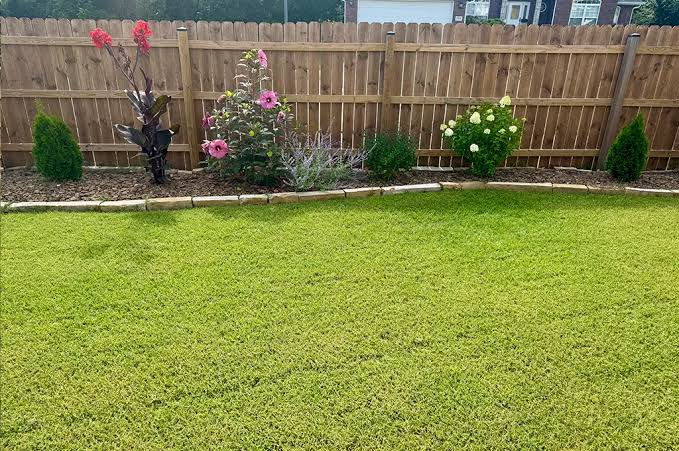
Healthy turf in Rogers, Arkansas, rarely comes from a single product or one perfect weekend of yard work. It comes from noticing how your lawn responds to soil, shade, rainfall, mowing, and seasonal stress, then making adjustments before small issues become large bare spots.
For homeowners seeking local guidance, lawn care Rogers, AR from 1st Impressions Lawn And Tree offers a useful point of reference. The Rogers-based, family-owned company provides weed control, fertilization, aeration, overseeding, disease treatment, and tree and shrub services throughout Rogers, Bentonville, Springdale, Fayetteville, and nearby communities in Northwest Arkansas. Its focus on turf management and locally timed care makes it relevant for lawns dealing with compacted soil, humidity, and changing Ozark conditions.
Why Rogers, Arkansas Lawns Need a Local Plan
Located in the Northwest Arkansas region, Rogers, Arkansas, gives homeowners a mix of rolling ground, changing sun exposure, strong storms, summer heat, and cool-season weather shifts. Two properties on the same street can perform very differently because one may drain quickly while another holds water, or one may receive full afternoon sun while another sits beneath mature trees.
A better lawn plan starts with your property, not a generic schedule. Before adding fertilizer, grass seed, or weed control, look closely at the soil, the existing grass, and the areas where the lawn repeatedly struggles.
Start With the Soil Below the Grass
Clay-heavy soil can become dense, especially in play areas, along driveway edges, near gates, and on frequently traveled pet paths. When soil is compacted, water may run across the surface instead of soaking into the root zone. Roots can also have a harder time spreading through dense ground.
Signs the Soil May Need Attention
- Water stands after rain or irrigation.
- Soil feels hard and cracks during dry conditions.
- Grass stays thin in high-use areas.
- Water runs down a slope instead of soaking in.
- Turf remains pale or weak after routine feeding.
A soil test is a practical first step before applying lime or making major changes to fertilizer. Soil pH and nutrient availability can affect how well turf uses the products already being applied, so guessing can create a new problem instead of solving the old one.
Choose Grass That Fits the Property
Rogers lawns may include warm-season grasses, cool-season grasses, or a mix of turf types. Bermuda grass generally prefers abundant sun and active summer growing conditions. Tall fescue can be useful on many lawns, particularly where cooler-season growth and some shade tolerance are priorities, but it still requires adequate moisture and care during hot weather.
Do not choose a seed only because the package looks appealing. First, identify what is already growing, then consider sunlight, drainage, traffic, winter exposure, and the amount of watering the property can realistically receive. Overseeding the wrong area or mixing incompatible turf goals can leave a lawn looking uneven.
A Seasonal Lawn Calendar for Rogers, Arkansas
Late Winter and Early Spring
Walk the lawn after winter. Look for drainage problems, thin sections, matted leaves, and areas where weeds appeared before the turf became active. This is also a good time to create a weed-prevention plan suited to the grass type.
Spring
Mow consistently, but avoid cutting too much leaf blade at once. Keep mower blades sharp, watch for runoff during rainy periods, and avoid forcing weak turf with excessive fertilizer.
Summer
Heat, humidity, and heavy rain can all stress turf in different ways. Water deeply when the lawn needs it, reduce unnecessary traffic on stressed grass, and watch for unusual patches or blade discoloration after warm, wet conditions.
Early Fall and Late Fall
Early fall can be a useful time to assess compaction and thin cool-season turf. Core aeration and overseeding may help in suitable lawns when followed by proper watering and seed-to-soil contact. Later in the fall, keep leaves from forming a dense mat over the grass. When cleanup creates extra plant material, follow the City of Rogers guidance for yard-waste disposal rather than allowing debris to collect along the lawn edge.
Water for Root Health, Not for a Timer
Short, frequent watering can encourage shallow roots. Instead, check the soil before watering and adjust for recent rainfall, shade, slope, and heat. Morning watering is often practical because it gives the grass time to dry as the day progresses.
Clay soil may need slower irrigation cycles so water can soak in rather than run off. A simple rain gauge or straight-sided container can help confirm how much water the lawn is actually receiving. If water begins moving toward the sidewalk or street, pause the cycle and let the soil absorb moisture before continuing.
Reduce Weeds by Helping Grass Compete
Weeds take advantage of bare soil, thin turf, poor mowing habits, and stressed grass. A thicker lawn does not eliminate every weed, but it leaves less open space for weeds to establish.
- Mow at a height appropriate for the turf type.
- Keep mower blades sharp to avoid ragged cuts.
- Address compacted or bare areas rather than repeatedly treating symptoms.
- Use weed-control products only as directed for the grass type and current conditions.
- Avoid treating drought-stressed or heat-stressed turf unless the product label specifically permits it.
Annual weeds and perennial weeds can require different strategies. When in doubt, identify the weed before treating it. Applying products at the wrong time may provide little benefit and can add stress to the lawn.
When Aeration, Overseeding, or Diagnosis Can Help
Core aeration removes small plugs of soil, helping create pathways for air, water, and nutrients. It can be especially helpful where foot traffic has packed the ground, but it is not a cure for severe shade, poor drainage, active disease, or a major insect problem.
Overseeding can improve density in appropriate turf, but results depend on seed selection, soil contact, consistent moisture, and follow-up mowing practices. Before seeding, make sure the thin area is not actually caused by an unresolved drainage issue, tree-root competition, or recurring fungal damage.
A One-Hour Lawn Checkup
- Walk the property and note wet, thin, shaded, sloped, and high-traffic areas.
- Push a screwdriver into several spots to identify compacted soil.
- Watch where water travels after rainfall or irrigation.
- Measure mowing height and inspect the mower blade.
- Record weeds, bare areas, insects, and unusual discoloration.
- Take clear photos and note recent rain, mowing, watering, and treatments.
Round brown patches, thin, spreading areas, chewed roots, loose turf, and sudden decline after humid weather warrant closer attention. Disease, drought, soil problems, and insect activity can look similar at first. A careful record makes it easier to choose the right next step instead of stacking random products.
Build a Lawn Plan That Matches Your Rogers, Arkansas Yard
A stronger Rogers lawn begins with observation. Improve compacted soil, select grass suited to the site, water based on conditions, mow carefully, and respond to weeds or disease with a targeted plan. The best results usually come from addressing the cause beneath the surface, not simply chasing what is visible on the surface.
