


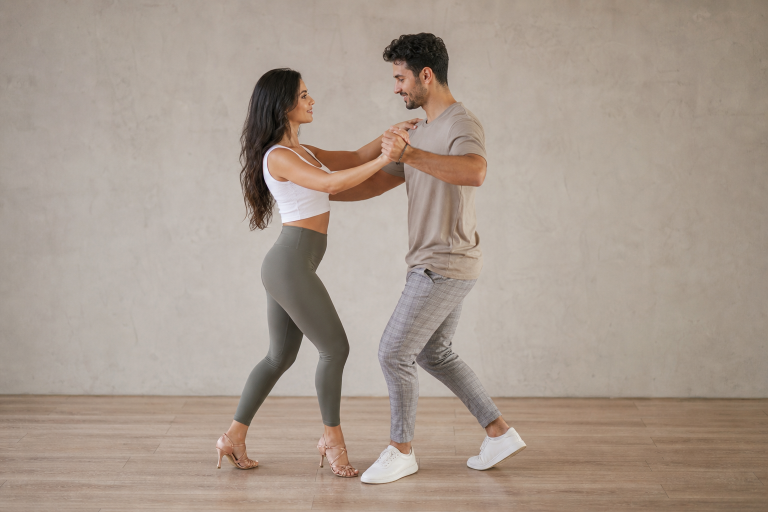
New York City has a rare ability to make people feel surrounded by others yet anonymous. Between long commutes, busy workdays, and crowded neighborhoods, partner dancing offers a practical reason to slow down, move to music, and share a structured activity with new people.
Whether someone is looking for a creative fitness outlet, a new social routine, or a way to feel more comfortable moving to music, Bachata lessons NYC can provide an approachable starting point. The value is not limited to learning patterns. Partner dance also develops timing, awareness, communication, and the confidence to participate without needing to be perfect.
Why Partner Dance Stands Out
Partner dancing combines movement, music, memory, and social awareness into a single activity. Unlike a solo workout, it asks each dancer to pay attention to the beat, their own balance, the available space, and another person’s movement. That combination can make a one-hour class feel engaging rather than repetitive.
It is also well-suited to city life. A class can become a recurring point of connection in a weekly schedule, even for people who do not know many neighbors or coworkers outside their usual circles. Beginners do not need prior experience or a personal dance partner to start. Many group classes include solo exercises and partner rotation, while every basic skill begins with small, repeatable actions.
Rhythm And Coordination
Rhythm is not simply about knowing whether music sounds fast or slow. Dancers learn to recognize a steady beat, transfer weight deliberately, and place steps in time with the music. In bachata and other social dances, the first goal is often to make a simple basic step feel consistent before adding turns, styling, or more complex combinations.
Skills That Develop Over Time
- Counting beats and noticing repeated musical phrases.
- Shifting weight fully from one foot to the other.
- Coordinating the torso, arms, and feet without rushing.
- Changing direction while maintaining balance.
- Remembering short sequences one piece at a time.
A beginner may initially concentrate only on stepping in rhythm. After several practices, that same dancer may start to notice pauses, accents, and changes in musical energy. The progress can be subtle, but it makes movement feel more natural and less like counting through a task.
Building Confidence Through Practice
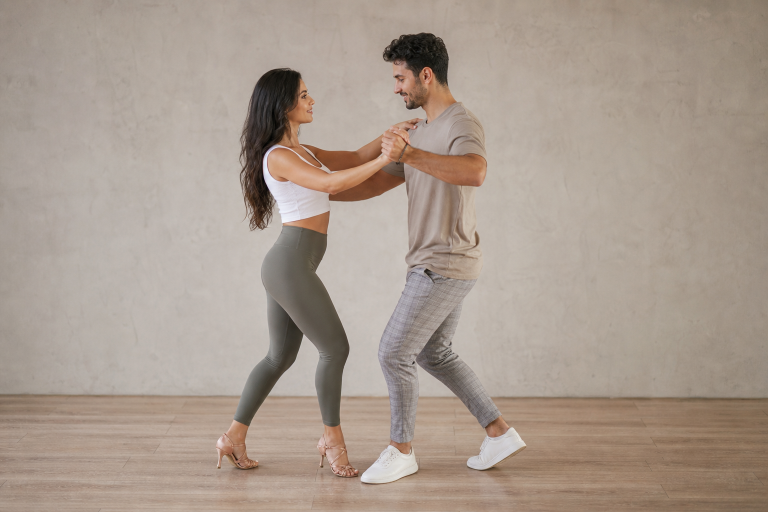
Confidence in dance is usually built through repetition, not through natural talent. Most newcomers feel awkward at first, especially when learning in a room where others appear more experienced. The useful response is not to compare every step. It is to choose one manageable goal and practice it until it feels familiar.
- Stand comfortably with an upright, relaxed posture.
- Practice a basic rhythm alone.
- Repeat the rhythm with a partner.
- Add one turn or a change of direction.
- Try the movement with music.
- Use it in a low-pressure social dance setting.
Learning one pattern well is often more rewarding than memorizing a long list of moves. With practice, mistakes become information rather than proof that someone does not belong on the dance floor.
Communication, Consent, And Connection
Partner dance is often described in terms of lead-and-follow principles, but this should be understood as a shared conversation rather than one person forcing the other into a sequence. One partner may suggest a change in direction or timing, while the other responds with balance, timing, and clear feedback. Either role can be learned by people of any gender.
Healthy Partnering Habits
- Use light, clear signals rather than forceful pulling or pushing.
- Respect personal space and physical boundaries.
- Ask before increasing or changing physical contact.
- Allow a partner time to respond to a movement.
- Accept a “no” kindly and without argument.
- Choose safety over completing a move.
In a busy New York City dance room, awareness matters beyond the partnership. Dancers should watch the shared floor, adjust when space is tight, and avoid treating a memorized combination as more important than the people around them.
Physical Benefits Beyond The Dance Floor
Regular dancing can add meaningful movement to the week. The health benefits of physical activity include improvements in how people feel, function, and sleep, although the impact of dance varies with intensity, frequency, fitness level, and individual health.
Partner dance can challenge balance through weight shifts and turns, coordination through music and shared movement, and endurance through sustained practice. Good posture and controlled foot placement can also make movement feel smoother. Warm up before class, wear footwear that supports controlled movement, drink water, and consult a qualified health professional when an injury or medical concern affects activity choices.
Mental And Social Wellbeing
Dance encourages putting phones away and focusing on the present, offering natural conversation starters like asking about a step or sharing a laugh. For those intimidated by unstructured networking or large parties, a class provides a clearer way to meet people. While not a substitute for mental health care, it can be part of a routine including movement, community, rest, and professional help when needed. Regular faces in class can make a large city feel more connected.
A Simple Beginner Practice Plan
- Warm up for five minutes. Walk in place and loosen the shoulders, hips, and ankles.
- Find the beat. Tap or step to music without adding turns.
- Practice weight changes. Move slowly from one foot to the other.
- Repeat one basic pattern. Prioritize steady timing over speed.
- Add direction. Practice forward, backward, and side steps.
- Review one challenge. Identify what felt easier and what needs more time.
Ten focused minutes several times a week can be more useful than one exhausting session. Short practice builds familiarity while giving the body and mind time to absorb the movement.
How To Choose The Right Class In New York City
New York City offers many dance options, so it helps to assess the environment as carefully as the style. Before committing, consider the following questions:
- Is the class clearly designed for complete beginners?
- Are class goals and pricing easy to understand?
- Can participants attend without bringing a partner?
- Does the instructor explain rotation, boundaries, and floor safety?
- Is the space large enough for the group?
- Does the atmosphere feel welcoming across ages and experience levels?
Trying one session can reveal more than reading a class description. The right setting should feel challenging but respectful, social but never pressuring, and organized enough that a newcomer can follow along.
Common Questions
Can Someone Learn Partner Dance Without A Partner?
Yes. Many classes rotate partners, and solo drills can teach rhythm, posture, and footwork before connection is added.
Is Partner Dance Suitable For Beginners?
Yes. Beginners typically start with basic timing, weight changes, posture, and simple directional movements.
What Should Someone Wear?
Comfortable clothing and shoes that allow controlled steps are usually appropriate. Extremely slippery or rigid footwear can make balance more difficult.
Final Thoughts
Partner dance offers New Yorkers more than a sequence of steps. It is a practical way to train rhythm, improve coordination, build confidence, and create genuine moments of connection. With respectful communication and regular practice, beginners can develop skills that make both the dance floor and everyday social situations feel more approachable.
