


Key Takeaways
- Dental implants may replace one tooth, several teeth, or a full arch of teeth.
- A complete exam is needed before deciding whether implant treatment is appropriate.
- Gum health, jawbone condition, medical history, tobacco use, and home care can affect healing.
- Treatment often involves several stages, and healing can take months.
- Bridges and dentures remain useful alternatives for many patients.
- Questions about risks, costs, maintenance, and timing should be answered before treatment begins.
Why Tooth Replacement Deserves Careful Planning
A missing or severely damaged tooth can affect chewing, speech, comfort, and confidence. It can also change how nearby teeth meet when you bite. For people considering dental implant treatment, the decision is about more than filling a space. It is an opportunity to evaluate the overall health of the mouth and choose a replacement option that meets long-term needs. Dental implants can be a valuable option, but they are not automatically the right choice for every person. Oral health, overall health, treatment goals, finances, and willingness to maintain the restoration all matter. A good consultation should leave room for alternatives rather than presenting a single approach as the answer for everyone.
What a Dental Implant Does
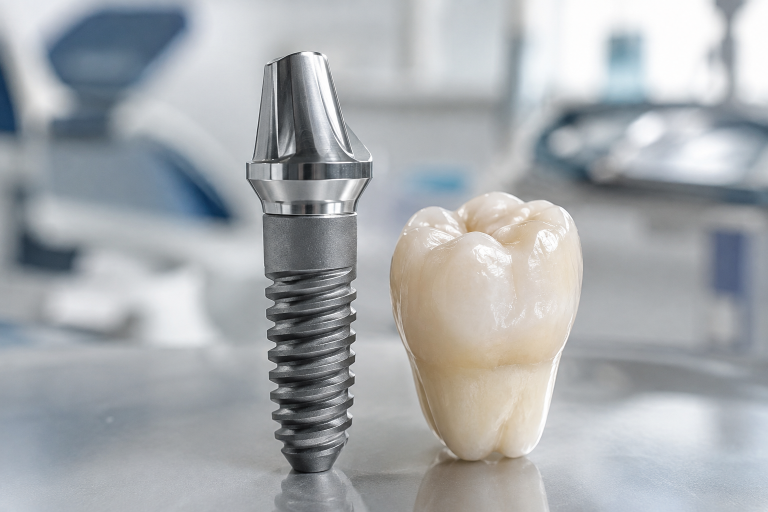
A dental implant is a medical device placed surgically in the jawbone to serve a role similar to a natural tooth root. After healing, a connector called an abutment can support a crown, bridge, or denture. The completed restoration is intended to help restore chewing function and the smile’s appearance.
Implants can support several types of tooth replacement, including:
- A single crown for one missing tooth.
- An implant-supported bridge for several missing teeth.
- An implant-supported partial denture.
- A full denture or full-arch restoration for patients missing most or all teeth in an arch.
Who May Be a Good Candidate?
Age alone does not determine candidacy. A dental professional may assess the gums, jawbone, remaining teeth, bite, medical history, medications, and tobacco use. The benefits and risks of dental implants should be part of that discussion, along with the patient’s ability to follow recovery and cleaning instructions. Some conditions may need attention before implant placement. Active gum disease, untreated infection, poor plaque control, limited bone volume, and uncontrolled health conditions can complicate healing. Tobacco use may also slow healing and increase the likelihood of complications. These factors do not always rule out implants, but they can change the treatment plan or make another option more suitable.
What Happens During the Treatment Process?
Although treatment plans vary, implant care often follows a series of stages:
- Evaluation: The dental team examines the mouth, reviews health information, and discusses goals.
- Planning: X-rays, scans, photographs, or digital impressions may be used to assess bone, nearby structures, and the bite.
- Preparation: Gum treatment, tooth removal, or bone grafting may be recommended before placement.
- Placement: The implant body is positioned in the jawbone during a surgical procedure.
- Healing: Bone heals around the implant, creating support for the future restoration.
- Restoration: Once stability is confirmed, a crown, bridge, or denture is made and attached.
The total timeline depends on the number of teeth being replaced, bone quality, healing, and whether preparatory care is needed. Some people receive a temporary tooth during healing, while others wait before a final restoration is placed. It is important to ask what timing is realistic for the specific case.
Bone Grafting and Preparatory Care
Jawbone can shrink after a tooth is lost, particularly when the space has been empty for a long time. If there is insufficient healthy bone to support an implant at the intended location, bone grafting or another preparatory procedure may be considered. A clinical exam and imaging are needed to determine whether additional support is necessary.
Benefits to Consider
When treatment is appropriate and properly maintained, implant-supported teeth may offer several practical benefits:
- Improved ability to chew.
- A stable foundation for a crown, bridge, or denture.
- Support for a replacement tooth designed to blend with surrounding teeth.
- Helps limit bone loss in the treated area.
- Less reliance on removable appliance adhesives in some cases.
Results are not based on the implant alone. Gum health, bone condition, treatment planning, daily cleaning, routine professional care, and follow-up visits all influence long-term function.
Risks and Possible Limitations
Implant treatment involves surgery and has potential risks. These may include discomfort, swelling, infection, bleeding, injury to nearby structures, nerve irritation, sinus complications, gum inflammation, difficulty cleaning, loose components, or implant failure. A restoration can also need repair or replacement over time. Before moving forward, ask how complications would be handled. Patients should understand expected recovery symptoms, warning signs that require a call to the office, after-hours contact instructions, and the next steps if healing does not progress as planned.
Implants Compared With Bridges and Dentures
There is no universal “best” tooth replacement option. Each approach has advantages and limitations:
- Dental implants: They can provide fixed support but require surgery, healing time, and a larger upfront investment.
- Traditional bridges: They can replace missing teeth without implant surgery, but nearby teeth may need to support the bridge.
- Partial dentures: They can replace several teeth and are generally removable.
- Full dentures: They replace an entire arch but may move during eating or speaking.
Patients who want a straightforward explanation of the usual stages can review the implant treatment process before discussing the options with their dentist.
Questions to Ask Before Treatment
- Can the natural tooth be saved?
- Which replacement options fit my current oral health?
- Will I need gum treatment, an extraction, or bone grafting?
- How long might the complete process take?
- Will I have a temporary tooth during healing?
- What restoration will be attached to the implant?
- What risks are most relevant in my case?
- What costs are included in the written treatment plan?
How to Prepare for Recovery
Recovery planning may include arranging transportation, preparing soft foods, filling prescribed medications, and keeping follow-up appointments. Patients should follow the instructions from their dental team, as recovery needs can vary by procedure and medical history. Long-term care usually includes keeping the mouth clean as directed, avoiding tobacco, attending regular dental visits, and promptly reporting any unusual pain, swelling, bleeding, looseness, or changes in the bite.
Common Questions About Dental Implants
How Long Does Treatment Take?
Timing varies based on healing, bone condition, the number of teeth being replaced, and whether extra procedures are needed. A personalized timeline is more useful than a general promise.
Are Dental Implants Painful?
Implant placement is performed with anesthesia. Soreness and swelling can occur during recovery, but each patient’s experience and comfort needs are different.
Can Smokers Get Dental Implants?
Tobacco use can interfere with healing and raise the risk of complications. It is important to discuss tobacco use honestly before treatment planning begins.
Are Dental Implants Permanent?
Implants are designed for long-term use, but they still need daily cleaning, professional maintenance, and periodic monitoring. The implant, crown, abutment, and other components may not have the same service life.
Final Decision Checklist
- A complete exam and diagnosis have been completed.
- Alternatives have been explained clearly.
- The expected timeline is realistic.
- Risks, warning signs, and follow-up needs are understood.
- Costs are outlined in writing.
- The patient feels comfortable asking questions and making an informed decision.
Conclusion
Dental implants can be an effective tooth replacement option when they are carefully planned and properly maintained. The best decision considers the whole mouth, general health, daily habits, budget, and personal priorities. Patients should also consider factors such as gum health, available bone, the condition of nearby teeth, bite forces, treatment time, and the level of daily cleaning required after restoration. Understanding the different stages of treatment, including evaluation, implant placement, healing, and final restoration, can also help patients prepare for the process and associated costs. With clear answers and realistic expectations, patients can compare implants, bridges, and dentures and choose a path that supports both comfort and long-term oral health. Regular dental visits and consistent home care can further help monitor the restoration and address changes before they become more difficult to manage.
