


Key Takeaways
- A dependable cold-chain plan combines equipment checks, staff habits, temperature records, and emergency procedures.
- Daily readings and routine cleaning can reveal small problems before they become costly failures.
- Clear temperature-excursion steps help protect food, reduce waste, and support consistent decisions.
- Qualified technicians should handle refrigerant circuits, electrical repairs, compressors, and sealed components.
Why Cold-Chain Planning Matters
For a small food business, a single unreliable cooler can disrupt receiving, prep, storage, service, and sales in a single day. A practical maintenance plan helps protect inventory and gives employees a clear response to temperature changes. Working with an experienced HVAC provider can also help owners address recurring equipment concerns before a breakdown creates a larger operational problem.
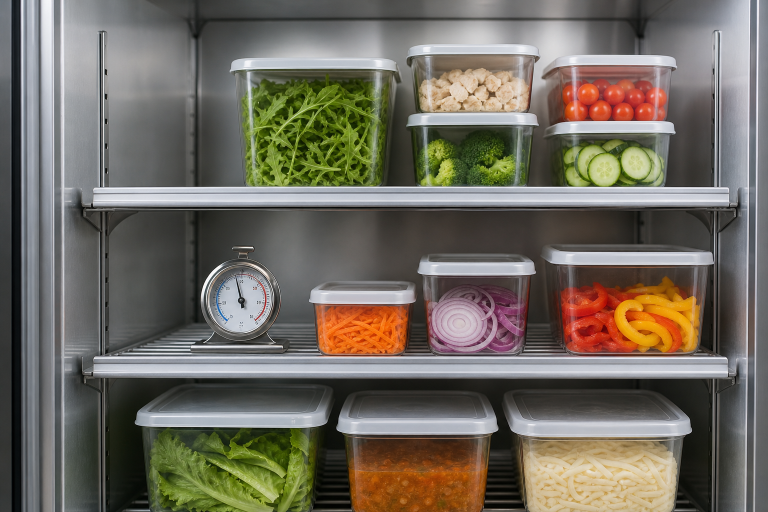
Temperature targets should be part of every employee’s routine, not something checked only after an alarm sounds. The FDA advises businesses and households to keep refrigerators at 40°F or below and freezers at 0°F or below, and to use appliance thermometers to verify actual conditions. Its guidance on refrigerator thermometers also reinforces why a control-panel display alone may not tell the whole story.
Start With a Full Equipment List
Create a simple inventory of every area that stores or moves temperature-sensitive products. Include walk-in coolers, reach-in refrigerators, freezers, prep tables, display cases, ice machines, refrigerated vehicles, and backup storage locations. For each item, record:
- Equipment type, location, model, and approximate age.
- Normal operating range and products stored inside.
- Service dates, past repairs, and repeated complaints.
- The employee or manager is responsible for routine checks.
This list makes it easier to prioritize the units that hold high-value inventory, run constantly, or have a history of temperature swings.
Create a Daily Temperature Routine
Build a short process that employees complete at opening, during the busiest part of the day, and before closing. Use a separate calibrated thermometer in the warmest likely area of each unit, rather than relying only on the display or dial.
- Check and record the temperature, time, and unit name.
- Compare the reading with the business’s approved operating range.
- Look for alarms, doors left ajar, water, frost, or overloaded shelves.
- Report unusual readings immediately and document the corrective action.
- Recheck the unit after the action is complete.
Build a Weekly Cleaning Checklist
Cleaning supports both performance and appearance. Dust, grease, spills, blocked vents, and ice buildup can restrict airflow or force equipment to work harder. Each week, clean accessible surfaces, wipe door gaskets, remove debris around condenser areas when safe to do so, and keep shelving clear of interior vents. Inspect floors and access paths, too, because standing water and clutter can slow a response when products need to be moved quickly.
Schedule Monthly Condition Checks
A unit may still feel cold even as its performance declines. During a monthly review, listen for unfamiliar noises, note longer run times, inspect frost patterns, check hinges and seals, and look for leaking water or damaged insulation. Review temperature logs for gradual changes rather than only obvious failures. Repeated alarms, uneven temperatures, and frequent manual adjustments are useful warning signs that deserve attention.
Plan Professional Maintenance Around Risk
Pay closer attention to older equipment, high-use units, systems that store expensive food, and equipment with a history of repeated repairs. Employees can safely perform visual checks and routine cleaning, but refrigerant work, electrical troubleshooting, compressor work, and sealed-system repairs are the domain of trained professionals. The EPA explains that people performing work that could compromise a refrigerant circuit generally need Section 608 certification.
Use a Simple Maintenance Calendar
- Daily: Check temperatures, doors, alarms, and visible product concerns.
- Weekly: Clean accessible areas, inspect gaskets, and clear airflow obstructions.
- Monthly: Review trends, noises, frost, leaks, and repair notes.
- Quarterly: Arrange deeper inspections for priority equipment.
- Annually: Review replacement needs, energy costs, service history, and emergency procedures.
Set Clear Rules for Temperature Excursions
When a cooler or freezer moves outside its normal range, employees should not guess or delay. Confirm the reading with a second thermometer, keep doors closed as much as possible, and notify a manager. Move food to a verified backup unit when practical, then record the time, temperature, affected products, actions taken, and final result. Decisions to retain or discard food should follow the business’s food-safety procedures and applicable local requirements.
Prepare for Power Losses and Equipment Failure
Keep an emergency kit with spare thermometers, insulated containers, ice or cold packs, service contacts, and a list of alternate storage options. Assign roles before an outage or failure occurs. One person can monitor temperatures, another can organize product movement, and another can contact management and service support. This reduces confusion when doors need to stay closed and time is limited.
Train Employees With Short, Repeatable Lessons
Training works best when it uses the actual equipment employees handle every day. Show new team members how to read thermometers, close doors fully, avoid blocking vents, recognize alarms, and complete logs clearly. During brief refreshers, ask employees to explain the temperature-excursion process in their own words. Review logs for missing entries, vague notes, or repeated problems that may indicate a training gap.
Track Costs and Repair Patterns
A basic spreadsheet can track service visits, replacement parts, product loss, downtime, energy-related issues, and recurring failures. Reviewing the full history helps owners compare the real cost of continued repairs with the cost of replacement or planned upgrades. The goal is not to replace equipment prematurely, but to prevent an unreliable unit from becoming a constant threat to inventory and operations.
Common Questions About Cold-Chain Maintenance
How Often Should Commercial Refrigeration Be Checked?
Temperatures should usually be checked daily, with cleaning and broader condition checks scheduled weekly or monthly. The right frequency depends on the equipment, products stored, operating hours, and local requirements.
What Are Early Signs of Refrigeration Trouble?
Watch for rising temperatures, excess frost, water around the unit, louder sounds, damaged seals, warm spots, short cycling, and longer run times.
Should Employees Repair Refrigeration Equipment?
Employees can handle basic cleaning and visual inspections, but qualified professionals should handle electrical systems, refrigerant circuits, compressors, and major mechanical repairs.
Conclusion
A reliable cold-chain plan does not need complicated software or expensive upgrades. Consistent temperature checks, routine cleaning, practical training, clear emergency actions, and timely professional service can help small food businesses reduce waste and protect daily operations. The strongest plan is one employee can follow every shift and managers can review with confidence.
timely professional service
