


Key Takeaways
- Choose a coastal home based on your lifestyle, intended use, and preferred community.
- Review flood exposure, drainage, property history, and long-term coastal risks.
- Budget for insurance, maintenance, association fees, and storm preparation.
- Inspect major systems, waterfront features, permits, boundaries, and access rights.
- Consider resale potential and future ownership costs before making an offer.
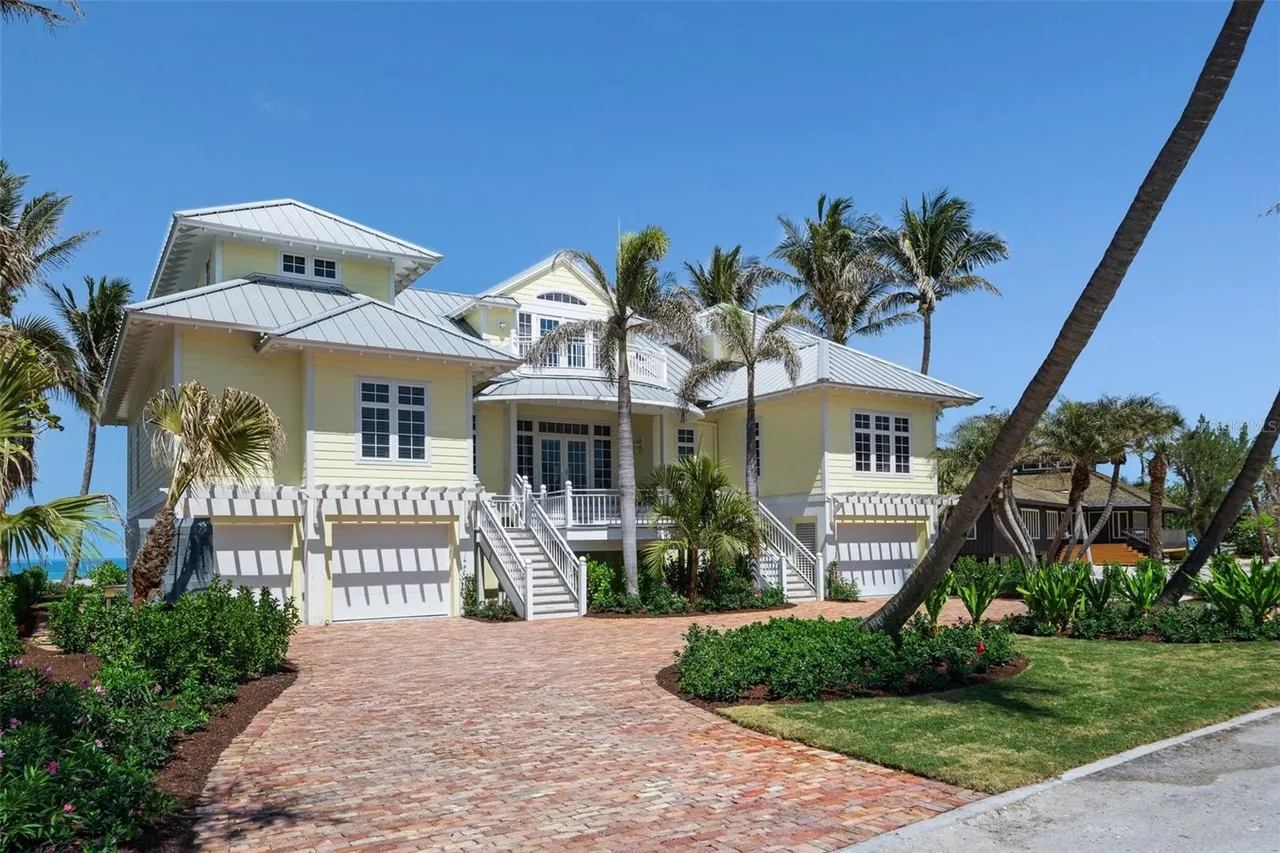
Buying near the water in Boca Grande, Florida, is about much more than finding a beautiful view. Salt air, island access, insurance, upkeep, neighborhood rules, and how you expect to use the home all deserve as much attention as square footage and finishes. Buyers who evaluate the full ownership experience are better positioned to choose a property that feels rewarding long after closing.
For buyers comparing island homes, condos, and nearby coastal communities, Boca Grande real estate agent Jamie Curry offers property searches, neighborhood information, and transaction guidance on her website. Jamie Curry began her local career as a real estate paralegal and spent years working on island closings, giving her practical familiarity with contracts, property details, and the distinct character of Boca Grande communities.
Start With the Way You Will Use the Home
A coastal home should match the life you intend to live there. A full-time resident may prioritize nearby services, dependable internet, storage, and easy access during busy periods. A seasonal owner may care more about storm preparation, security, and dependable local maintenance. Remote workers might need a quiet work area, while frequent hosts may need guest rooms, parking, and flexible gathering space.
Before touring homes, define how often the property will be occupied, whether guests will visit regularly, whether rental income is part of the plan, and how important boating, beach access, walkability, privacy, or proximity to dining and services may be. Those answers create a more useful search filter than a view alone.
Compare the Community, Not Just the House
Boca Grande, Placida, and other Gulf Coast locations can offer very different daily routines. Visit at more than one time of day when possible. Notice traffic patterns, golf cart activity, noise, parking, road access, and the time required to reach groceries, medical care, marinas, or the airport.
Also ask whether the community feels active year-round or changes substantially with the seasons. For condominiums and planned neighborhoods, request governing documents early. Rental restrictions, pet rules, exterior standards, parking limits, and association approval requirements can materially affect how you use the home.
Review Flood Exposure Early
Flood review belongs near the beginning of the search, not at the end of negotiations. Start by checking the address through the FEMA Flood Map Service Center, then compare that information with property disclosures, local records, elevation details, and the observations of qualified professionals.
A map designation is an important starting point, but it is not a complete property analysis. Ask about past water intrusion, drainage patterns, storm repairs, prior claims, and the location of mechanical equipment. An inspection should consider the foundation, roof, windows, exterior materials, crawl spaces, and signs of moisture or corrosion.
Consider Long-Term Coastal Conditions
Current flood information and long-term planning are related but different questions. Buyers can use the NOAA Sea Level Rise Viewer to explore broad scenarios for potential coastal flooding and high-tide impacts. It is a planning tool, not a substitute for a survey, engineering review, site visit, or legal advice.
Consider whether roads, driveways, docks, drainage systems, and routes to the property could create practical concerns in the future. Risk can differ significantly between nearby parcels, so property-specific review matters.
Build a Complete Ownership Budget
The mortgage payment is only one part of coastal ownership. Obtain insurance estimates before the inspection period ends, since coverage, deductibles, and eligibility can affect affordability. Include recurring and occasional expenses such as:
- Homeowners, flood, and windstorm insurance.
- Roof, HVAC, window, exterior, pool, dock, and seawall maintenance.
- Association dues, reserve contributions, and potential special assessments.
- Landscaping, pest control, property management, and storm preparation.
- Utilities, security monitoring, and maintenance during vacant periods.
Study Construction and Maintenance History
Coastal weather places added importance on condition and maintenance. Ask when the roof, electrical system, plumbing, HVAC, windows, and exterior components were updated. Look for rusted fasteners, salt-air corrosion, cracked stucco, wood rot, mold, or evidence of water intrusion.
Request available permits, invoices, warranties, inspection reports, and storm-repair documentation. For a condominium, review the association budget, reserve information, recent assessments, building reports, and master insurance terms. A qualified inspector can help distinguish a manageable maintenance item from a more significant repair issue.
Confirm Access, Boundaries, and Water Features
Waterfront features should be verified rather than assumed. Confirm legal access to the property, beach areas, parking, boat slips, docks, and shared roads. Review surveys, easements, title materials, and any responsibilities for shared driveways or private infrastructure.
Ask whether a dock, seawall, view corridor, or access route depends on adjacent property or association approval. Local and association rules may affect shoreline work, dock changes, landscaping, and exterior improvements, so buyers should understand those limits before planning renovations.
Buy With Resale in Mind
Future demand depends on more than waterfront proximity. Properties with updated systems, usable parking, sensible layouts, accessible locations, and manageable maintenance needs may appeal to a wider pool of future buyers. Insurance availability, condition, community rules, and the buyer profile for the area can also shape resale interest.
Do not assume every water-related feature produces the same value for every buyer. A boat dock may be essential to one household and unnecessary to another. The goal is to buy a home whose features support both your lifestyle and a realistic future market.
A Simple Boca Grande Coastal Buyer Checklist
- Define whether the home will be full-time, seasonal, rental-focused, or mixed-use.
- Set a budget that includes insurance, maintenance, dues, and storm preparation.
- Compare several communities and visit at different times.
- Review flood information, elevation, drainage, and property history.
- Request insurance estimates early.
- Inspect major systems, exterior components, and waterfront structures.
- Review permits, surveys, title documents, easements, and association records.
- Confirm rules for rentals, renovations, parking, docks, and pets.
- Consider how the property may appeal to future buyers.
- Use appropriate inspectors, insurance professionals, surveyors, and attorneys before removing contingencies.
Buy for the Life, Then Verify the Details
The best Boca Grande coastal home is not necessarily the one closest to the water. It is the one that supports how you plan to live, visit, host, maintain, and eventually sell. Careful review of community fit, flood exposure, insurance, construction, access, and long-term costs can turn an emotional search into a well-grounded decision to own.
