



The trucking industry is witnessing a technological transformation as fleets and owner-operators increasingly turn to digital dispatch solutions to optimize their operations. These modern platforms replace outdated, manual systems with advanced digital tools, resulting in a more efficient, connected, and reliable logistics ecosystem. For many, this shift is powered by advanced dispatch software for truckers, which brings automation, real-time data, and smarter decision-making capabilities to the heart of daily fleet management.
As the complexity of freight logistics grows and customer expectations for on-time deliveries rise, trucking companies need solutions that go beyond simply tracking shipments. Modern dispatch technologies not only address inefficiencies but also serve as the foundation for future-ready, competitive trucking operations built on responsive communication, reduced errors, and proactive fleet management.
Introduction
Over the past decade, digital dispatch solutions have emerged as a game-changer for logistics operators. Traditionally, dispatch relied on phone calls, spreadsheets, and paperwork, which often led to communication breakdowns, costly errors, and reactive problem-solving. Now, cloud-based platforms harness automation and real-time data to allocate loads, design optimal routes, and instantly connect dispatchers and drivers.
With tight delivery windows and fluctuating freight demands, seamless coordination is crucial. Dispatch software centralizes essential tasks, reduces bottlenecks, and supports carriers in consistently meeting customer expectations for timely, accurate deliveries. This digital shift also lays the groundwork for integrating advanced technologies like artificial intelligence and telematics, which further extend the benefits of automated dispatch systems.
Streamlining Operations with Digital Dispatch
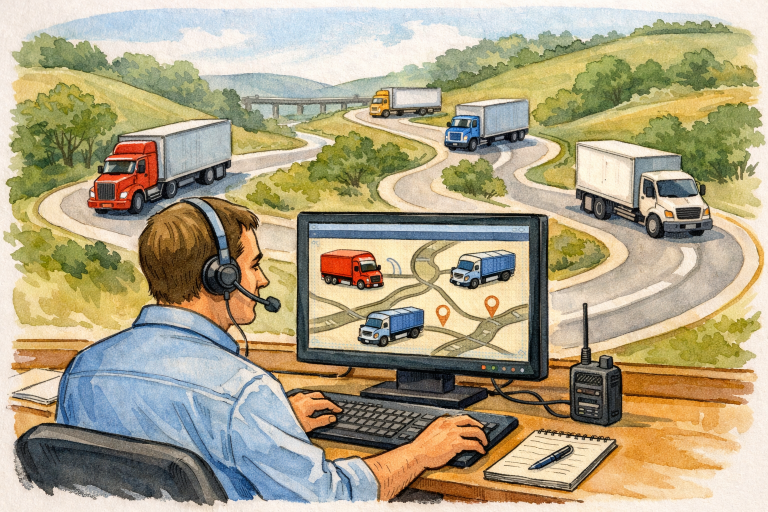
One of the major advantages of digital dispatch platforms is consolidation. By bringing load assignment, route scheduling, and real-time communication into one virtual hub, these systems help fleets minimize manual entry and avoid duplicative efforts. Centralized software can automatically match drivers and trucks to loads based on location, available hours, and specific cargo requirements. This reduces empty (deadhead) miles and decreases fuel usage, which translates to major savings on both cost and carbon footprint.
According to industry analysis from Forbes, companies adopting digital dispatch platforms report up to a 30% increase in on-time deliveries and a notable reduction in administrative hours invested in each shipment. These efficiencies allow dispatchers to focus on higher-value tasks and ensure drivers spend more time on the road and less time waiting for assignments.
Integration of Artificial Intelligence
Artificial Intelligence is quickly becoming integral to dispatch technology. AI-powered Transportation Management Systems (TMS) can analyze historical data and real-time supply chain variables to automatically suggest the best possible assignments for both drivers and carriers. They also help reduce human errors by identifying potential scheduling conflicts or compliance issues before they become costly problems.
Modern platforms can integrate with Electronic Logging Devices (ELDs), Global Positioning Systems (GPS), and accounting software, streamlining compliance, payroll, and reporting. AI-driven predictive analytics also enable companies to anticipate traffic patterns, optimize fuel consumption, and flag vehicles that may require preventative maintenance. Choosing a TMS that fits fleet size and business needs is critical for maximizing operational gains while keeping deployment costs manageable.
Advancements in Telematics
Telematics, the fusion of telecommunications and informatics, has evolved rapidly alongside digital dispatch. Today’s telematics systems monitor not just location, but also vehicle health, driver behavior, and cargo status. With real-time tracking and data analytics, dispatchers gain a comprehensive dashboard view of the fleet, which makes it easier to anticipate bottlenecks, ensure regulatory compliance, and respond quickly to unexpected events.
Advancements now include over-the-air software updates. Trucks can receive diagnostics or even performance enhancements remotely, reducing downtime and keeping equipment on the road. When telematics data flows directly into dispatch software, the result is an interconnected workflow that alerts dispatchers to potential problems and provides optimal, data-driven solutions on the fly. These capabilities are essential for companies striving to maintain uptime and stay competitive in a demanding logistics market.
Impact on Fleet Management
The digital transformation of dispatch has delivered far-reaching impacts on fleet management. Fleet supervisors now have access to up-to-the-minute data on vehicle locations, load status, and driver availability, enabling better resource allocation and reduced operational costs. Predictive maintenance, enabled by integration between telematics and dispatch systems, means fewer surprise repairs, smoother asset utilization, and improved safety standards.
By leveraging dispatch insights, companies can analyze driver performance, minimize instances of detention or dwell time, and offer incentives for on-time deliveries or fuel-efficient driving. This approach strengthens relationships with drivers and boosts customer satisfaction by making service and communication more transparent throughout the logistics journey.
Challenges and Considerations
Despite the clear benefits, there are challenges in implementing digital dispatch technology. The initial investment in new software and hardware can be prohibitive, especially for small fleets. Staff training is essential to ensure everyone is comfortable with the new processes and can utilize the tools effectively. Integration with existing systems, particularly those unique to a company’s operation, may require additional time and technical support.
Data security is another critical issue. Handling sensitive customer data and routing data necessitates robust cybersecurity measures and compliance with federal and state privacy regulations. Additionally, the rapid pace of innovation means companies must continuously update and refine their systems to remain secure and competitive.
Future Outlook
The future of digital dispatch in trucking is closely tied to innovations in AI, machine learning, and the Internet of Things (IoT). These technologies will support even more autonomous decision-making, improved supply chain visibility, and faster response times to market fluctuations. Industry experts predict that ongoing investments in automation, driverless technology, and real-time analytics will redefine how freight moves across North America and beyond. For deeper insights into where the industry is heading, The Wall Street Journal explores trends shaping the future of trucking logistics.
Conclusion
Digital dispatch platforms are fundamentally reshaping the trucking industry. By centralizing essential tasks, harnessing real-time data, and integrating advanced technologies, they streamline operations while delivering improved reliability and speed. Although implementation presents certain hurdles, the long-term gains in productivity, compliance, and customer satisfaction are substantial. As the industry’s digital backbone grows stronger, trucking companies of every size will find new opportunities to thrive in an increasingly connected logistics landscape.
