


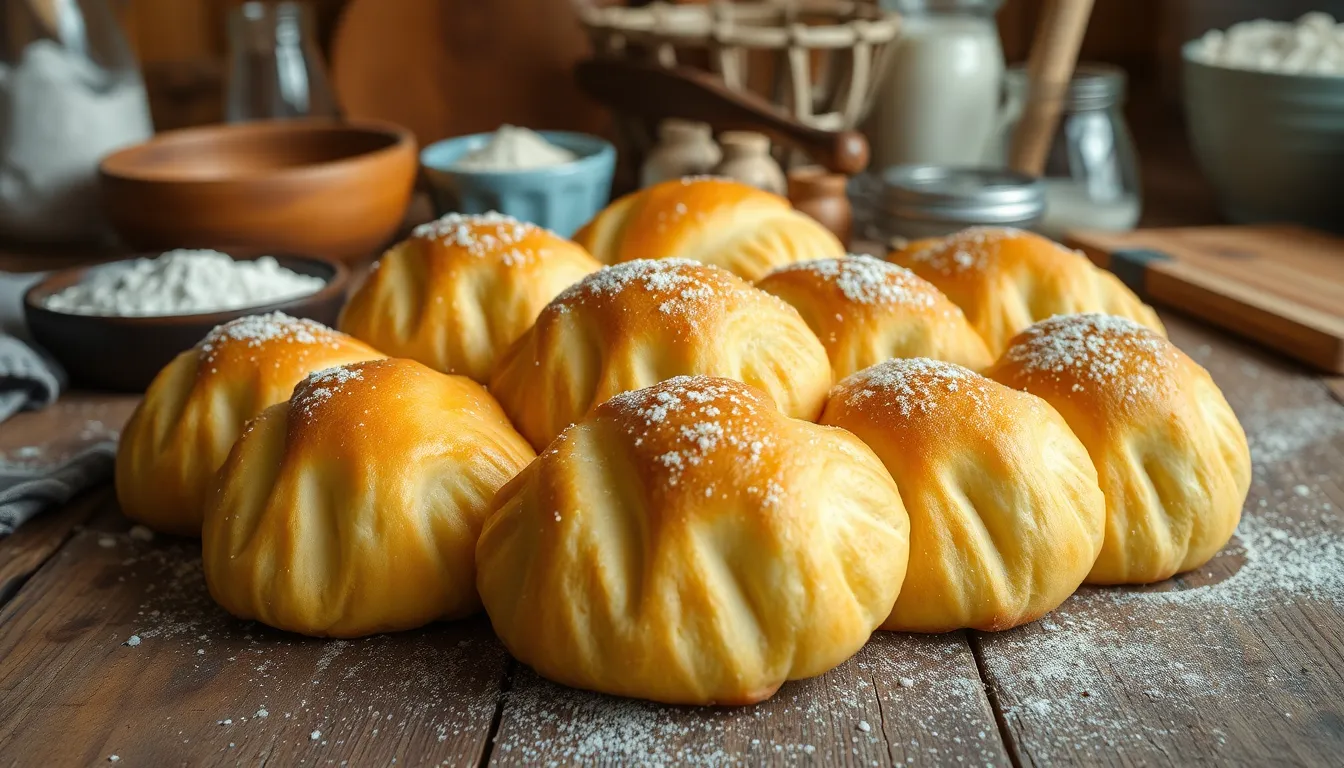
Cooking falotani is not just about preparing food; it is about slow, thoughtful cooking that brings comfort and warmth to the table. Many people searching for cooking falotani want to know what it really means, how it tastes, and whether it is difficult to prepare. The good news is that falotani cooking is simple, gentle, and forgiving, which makes it perfect even for beginners. It does not demand fancy tools or complex steps. Instead, it focuses on patience, balance, and letting ingredients speak naturally.
What makes cooking falotani special is the way it connects people to traditional home-style meals. This dish is often prepared during calm family moments, not rushed kitchen hours. Falotani cooking usually involves slow heat, basic ingredients, and careful stirring. Many families describe it as a dish that teaches you to slow down. That is why cooking falotani is often remembered emotionally, not just for its taste but for the feeling it creates while cooking and eating.
Why Cooking Falotani Is Gaining Attention
In recent times, cooking falotani has gained attention because people are moving back toward simple and meaningful food. With busy routines and processed meals everywhere, many readers want food that feels real and grounding. Falotani fits this need perfectly. It does not rely on heavy spices or sharp flavors. Instead, it builds taste slowly, layer by layer, making it gentle on the stomach and comforting to the mind.
Another reason cooking falotani is becoming popular is its flexibility. You can adjust ingredients easily, make it vegetarian or hearty, and cook it thick or light depending on your preference. This makes falotani cooking suitable for different households and cultures. Beginners often feel confident cooking falotani because mistakes are rare and flavors are easy to correct. That sense of safety and warmth is what keeps people searching for and learning about cooking falotani today.
What Is Falotani? Meaning and Origin
Falotani is best understood as a traditional home-style dish, passed through families rather than written recipes. The meaning of falotani is often linked to slow cooking and careful preparation, where ingredients are allowed to soften and blend naturally. It is not a fast meal, and it is not meant to impress with looks. Instead, falotani is about comfort, warmth, and familiarity. Many people describe it as food that feels calm and steady, something that belongs to everyday life rather than special occasions.
The origin of falotani is rooted in household cooking traditions, where food was prepared with what was available locally. Falotani was shaped by simplicity, not luxury. Over time, each family added small changes, which is why falotani does not have one fixed version. This flexible nature helped falotani survive across generations. People did not need exact rules, only experience and patience.
Ingredients Used in Cooking Falotani
Cooking falotani usually begins with basic, easy-to-find ingredients. These ingredients are chosen not for strong flavor but for how well they work together. Falotani cooking focuses on balance. Too much spice or too many additions can disturb its gentle taste. That is why many cooks prefer keeping the ingredient list short and familiar.
| Ingredient Type | Purpose in Falotani |
|---|---|
| Base ingredient | Forms the body of the dish |
| Mild spices | Adds warmth without heat |
| Oil or fat | Helps slow cooking |
| Liquid (water/broth) | Softens texture |
What matters most in falotani cooking is ingredient quality, not quantity. Fresh items give better results, but falotani is forgiving. Even simple pantry ingredients can produce a satisfying dish when cooked slowly and calmly.
Step-by-Step Cooking Falotani Method
The cooking falotani method is gentle and unhurried. First, ingredients are prepared carefully, not rushed. Heat is kept low to medium so nothing burns or shocks the dish. Falotani cooking allows ingredients to slowly open up, releasing flavor naturally. Stirring is done calmly, giving the dish time to settle between movements.
Cooking time matters more than speed. Falotani is ready when its texture becomes soft and unified, not watery and not dry. One common mistake is increasing heat to finish faster, which can ruin the balance. In falotani cooking, patience is the main ingredient. When cooked correctly, the dish feels smooth and comforting from the first bite.
Different Ways of Cooking Falotani
Falotani can be cooked in many gentle variations, depending on household preference. Some families cook it thick and dense, while others prefer it light and flowing. Vegetarian falotani is very common, but some versions include richer elements for deeper flavor. None of these variations are wrong. They simply reflect personal taste.
Modern kitchens have also adapted falotani cooking by using new tools, but the heart remains the same. Whether cooked on a traditional stove or modern burner, falotani should never feel rushed. The dish adapts easily, which is why people from different backgrounds connect with it emotionally.
Taste, Texture, and Serving Style of Falotani
The taste of cooking falotani is soft, balanced, and soothing. It does not hit the tongue sharply. Instead, flavors arrive slowly and stay gently. Many people describe falotani as comforting rather than exciting, which is exactly its strength. It is food that makes you feel settled.
| Aspect | Description |
|---|---|
| Taste | Mild and warming |
| Texture | Soft and unified |
| Serving | Simple bowls or plates |
| Pairing | Light sides or eaten alone |
Falotani is usually served warm and fresh. Presentation is simple, because falotani is about feeling, not appearance.
Cooking Falotani Tips, Storage, and FAQs
To improve cooking falotani, keep heat low and avoid over-stirring. Let the dish rest for a few minutes after cooking; this helps flavors settle. Falotani stores well for short periods and often tastes even better the next day when flavors deepen naturally.
When reheating falotani, gentle heat is key. Avoid drying it out. Add small amounts of liquid if needed. Falotani is not meant to be forced back to life; it should be warmed patiently, just like it was cooked.
FAQs About Cooking Falotani (100 words total)
1. Is cooking falotani difficult?
No, it is simple and beginner-friendly.
2. Does falotani need special spices?
No, mild spices work best.
3. Can falotani be vegetarian?
Yes, many versions are fully vegetarian.
4. How long does falotani take to cook?
It depends, but slow cooking gives best results.
5. Can falotani be reheated?
Yes, gently and with care.
Read more : janel Bloodsworth: A Quiet Life, Strong Values, Real Story
