


The Shift Away from Traditional Wooden and Metal Docks
Historically, coastal and freshwater infrastructure relied heavily on treated timber and galvanized steel. However, these conventional materials present significant long-term structural and environmental challenges. Traditional wooden docks are highly susceptible to constant moisture, leading to rot, splintering, and structural weakening over time. To combat decay, wood must be treated with harsh chemical preservatives.
These chemical treatments can leach into surrounding water bodies, severely threatening water quality and local marine life. Similarly, metal docks face continuous battles against structural corrosion. Even galvanized steel will eventually rust when exposed to harsh saltwater environments, sea spray, and constant wave action. This widespread corrosion compromises structural integrity and drastically increases the frequency of costly, disruptive repairs.
As environmental awareness grows, urban planners and developers are actively seeking more durable, sustainable alternatives. The industry is now experiencing a massive shift toward High-Density Polyethylene (HDPE). As a marine-grade engineered plastic, HDPE resists moisture, UV radiation, and severe temperature fluctuations without deteriorating. It does not rust, rot, or require toxic chemical coatings, making it a cornerstone for modernizing sustainable waterfronts.
Modular Floating Systems: The Core of Modern Waterfronts
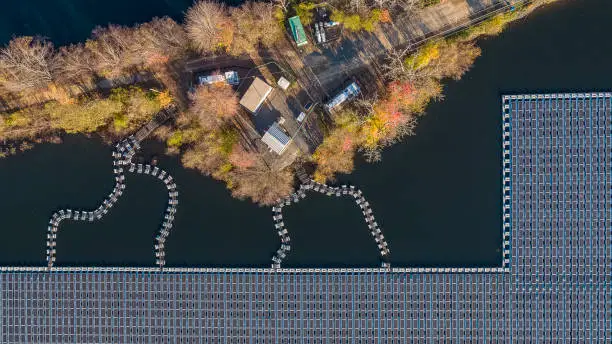
The transition toward high-density polyethylene (HDPE) materials has revolutionized waterfront engineering. Modern modular setups allow for rapid deployment without disrupting marine ecosystems. According to industry-leading manufacturers like Hisea Dock, utilizing engineered plastic floating systems with reinforced 19mm-thick lugs and anti-skid surfaces can significantly extend the lifespan of commercial marinas while minimizing maintenance overhead.
Unlike fixed docks that struggle with tidal fluctuations and storm surges, modular floating platforms adapt seamlessly to changing water levels. This dynamic vertical flexibility dramatically reduces structural stress during extreme weather events or sudden floods. The modular design also means that individual structural cubes can be replaced or reconfigured without dismantling the entire marina.
Key engineering advantages of these modern HDPE modular systems include:
- High tensile strength: Capable of withstanding significant wave impact and heavy commercial loads.
- Anti-skid surfaces: Ensuring maximum safety for pedestrians and operators, even in wet conditions.
- Non-invasive installation: Eliminating the need for deep seabed piling, thereby protecting underwater habitats.
- Customizable layouts: Easily reshaped to accommodate new vessel sizes or changing commercial needs.
Key Applications in Modern Coastal Development
Commercial Marinas and Jet Ski Ports
Modern commercial marinas require infrastructure that can safely manage heavy, continuous watercraft traffic. HDPE floating systems provide an ideal solution for docking yachts, speedboats, and personal watercraft (PWCs) like jet skis. Their smooth, non-abrasive edges prevent hull damage during mooring, while custom drive-on dry docks allow jet skis to be stored safely out of the water.
Integrating these dynamic systems into a broader business development strategy helps marina owners maximize their available aquatic space. The modular nature allows commercial operators to expand their slip capacity dynamically as seasonal demand increases. Furthermore, the inherent stability of floating HDPE platforms ensures safe embarkation and disembarkation for passengers and crew.
Upgrading to modular systems also improves the aesthetic appeal of a commercial marina. Clean, uniform floating docks create a premium look that attracts high-end clientele and luxury vessel owners. This modernization translates directly into higher docking fees and increased long-term revenue for marina operators.
Floating Platforms for Events and Restaurants
Beyond traditional vessel mooring, modular docks are transforming how cities utilize their waterfronts for commercial real estate. Floating platforms are increasingly being deployed to create expansive over-water event spaces, open-air cafes, and unique floating restaurants. This approach allows developers to monetize water surfaces without undergoing the lengthy, expensive permitting processes required for permanent land reclamation.
The remarkable structural buoyancy and load-bearing capacity of HDPE cubes make them perfectly suited for these high-traffic commercial applications. By leveraging eco-friendly technology, developers can build visually stunning waterfront attractions that appeal to eco-conscious consumers. These floating commercial spaces can also be easily relocated or resized based on seasonal demands.
Creating mixed-use aquatic real estate adds immense value to urban coastal developments. By combining recreational boating facilities with dining and entertainment venues, planners can create vibrant waterfront hubs. This synergy drives foot traffic, boosts local economies, and revitalizes previously underutilized port areas.
The Environmental Impact of Eco-Friendly Plastics
One of the most compelling arguments for adopting HDPE in marine construction is its minimal environmental footprint. Unlike treated timber, which releases toxic preservatives like chromated copper arsenate (CCA) into the water, HDPE is entirely chemically inert. It does not leach microplastics, heavy metals, or harmful toxins into aquatic ecosystems, strictly safeguarding local water quality.
Furthermore, marine-grade HDPE is 100% recyclable. At the end of its decades-long lifecycle, the plastic can be melted down and repurposed into new products, significantly reducing landfill waste. This circular economy approach is vital for ensuring that modern coastal development remains sustainable for future generations.
Additional environmental benefits of modular HDPE systems include:
- Zero toxic coatings: No need for harmful anti-fouling paints, stains, or toxic weather sealants.
- Light permeability: Certain modular designs allow natural light to penetrate the water, preserving essential underwater flora.
- Reduced seabed disruption: Eliminates the need for extensive dredging or driving heavy pilings into sensitive benthic habitats.
- Wildlife safety: Smooth surfaces and lack of toxic shedding provide a safer environment for local marine fauna.
Regulatory Compliance and Safety Standards
As coastal developments expand globally, strict adherence to international safety and environmental regulations is non-negotiable. Modern floating infrastructure must pass rigorous load-bearing tests, structural stability assessments, and UV resistance certifications to ensure long-term public safety. Regulatory bodies increasingly mandate that new marine construction actively minimizes ecological disruption.
Before finalizing any waterfront expansion, developers must ensure that their infrastructure complies with international environmental guidelines. Implementing non-toxic, sustainable materials is a critical step inpreserving aquatic biodiversity and meeting the stringent criteria set forth by global conservation authorities.
By prioritizing compliant, eco-friendly materials like HDPE, project managers can expedite the permitting process and avoid costly regulatory fines. Investing in sustainable infrastructure is no longer just an environmental imperative; it is a fundamental financial requirement for the future of waterfront commercial development.
