


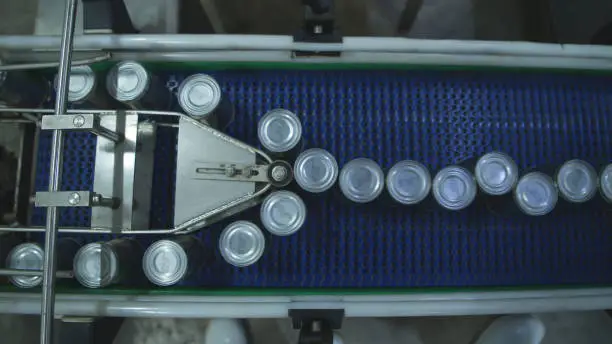
In modern production lines, one of the most important services a capping machine provides is protecting products, while optimizing production.
For B2B companies in the food, beverage, pharmaceuticals, and chemicals industry, in addition to protecting the contents of the capping machine, it is important to run production efficiently. Well sealed containers prevent contamination, and extend shelf life while preserving the product’s sensory and nutritional qualities. This also reduces operational downtime and wastage.
For those businesses looking to incorporate reliable capping solutions into their production lines, capping machines provide packaging lines with advanced production solutions to meet their varying levels of production requirements. Visit their site to learn more about their capping technology: https://www.levapack.com/ru/capping-machines/ .
The Modern Importance of Capping
When most people hear the word capping, they simply think of putting a lid on a product. However, capping is one of the most important parts of the production line. Capping completes the packaging by providing an airtight seal, and protecting the product. Without a strong seal, a product could die to moisture, and could potentially alienate consumers with spoilage.
High production volumes in B2B operations require a reliable capping machine to minimize the chance of variance. Being consistent is key to customer satisfaction, but is also a requirement for many industries, including pharmaceuticals and food production.
Today’s capping machines can accommodate a variety of closure types. Screw caps, snap-on lids, metal seals, and tamper-evident closures are just a few of the options that provide businesses the ability to package products safely and without compromising quality.
Application of Different Types of Capping Machines
There are capping machine types and each type is designed to meet particular operational and product needs. Selecting the right kind of capping machine is crucial for preserving and maintaining uniformity.
Fully Automatic Capping Machines
Automatic machines are recommended for large scale production. They have the capacity to seal hundreds to thousands of containers in a given time period with the same precise torque and alignment. These machines come built with sensors and servo motors that help adjust pressure and rotational speed for their optimal configuration based on the size of the container and the type of closure to be used.
Semi-Automatic Capping Machines
Semi-automatic models are excellent for medium-scale production or flexible packaging lines. While the operators place the containers, the capping mechanism will do the tightening at the same level of torque for each cap. These machines are versatile and provide lower initial costs while still performing reliably.
Torque-Controlled Capping Machines
Machines that are torque controlled are ideal for fragile containers. Products like glass bottles are sensitive to over-tightening. These machines are designed to provide controlled torque to prevent leaks, breaks, and to keep the product intact, and to provide safety to the consumer.
Vacuum and Induction Capping Systems
For products that need to have an extended shelf life, vacuum capping will remove air from the packaging using a vacuum prior to sealing, and induction sealing will apply a thin foil seal under the cap. These methods protect the product from the damaging effects of oxygen, moisture, and contaminants.
Multi-Format Capping Machines
Most modern lines are able to accommodate multiple sizes of containers and types of caps with minimal downtime. Adjustable heads and quick-change mechanisms help businesses to switch products and support a variety of production needs.
Levapack has focused on the construction of capping machines that incorporate all the listed features and ensures smooth and easy operation for different production environments.
How Capping Machines Keep Products Fresh
The integrity of the seal is critical in maintaining product freshness. Modern machines use advanced technology in engineering and sensors to ensure every container is sealed flawlessly.
1. Airtight Seals
Capping machines produce consistent and airtight seals, ensuring that air, moisture, and contaminants can’t seep into the container. This is critical in the products that perish quickly, like juices and dairy products. Seals that are exposed to oxygen will spoil.
2. Torque Precision
Correctly applied torque stops leaks while ensuring that the container and closure are not damaged. Machines with torque sensors can vary the force, ensuring that every container is sealed to the proper tightness.
3. Tampering Evidence and Safety
Many B2B products require tampering-evident caps due to consumer safety and regulatory compliance. Modern systems can add these features easily, ensuring that the product has not been opened before packaging.
4. Sterilization and Filling Integration
In the pharmaceutical and food industries, capping machines are often combined with filling and sterilization systems. This synchronization lowers the risk of contamination and ensures that the product is sealed immediately after filling, maintaining quality and freshness.
Using these smart technologies, capping machines maintain collate product integrity during movement and storage, lowering returns and generating customer confidence.
Safeguarding Consistency Across Large-Scale Operations
When it comes to industrial packaging, consistency is key. A line that produces thousands of units each day must achieve consistency across cap tightness and alignment. State of the art capping machines are equipped with cutting edge control and monitoring technologies designed to deliver consistent outputs.
1. Sensor-Based Monitoring
Sensors identify and assess the presence and alignment of caps, with missing, misaligned, or poorly tightened caps triggering alerts. The occurrence of manual inspections is minimized, and the ability to meet the quality of every container is maximized.
2. Servo Driven Mechanisms
With sufficient precision to allow for uniform activation of sealing, even in the highest speed line, servo motors allow for the even distribution of sealing across the line, thereby achieving the necessary consistency for sustaining brand reputation and compliance with prevailing standards.
3. Automated Adjustments for Different Containers
For the majority of B2B operations, it is normal to manage several product lines of containers differing in shape and size. Latest generation capping machines maintain consistent operational performance across varying container height, diameter and closure type, avoiding the need for manual recalibration.
4. Integration with Packaging Line Analytics
Packaged goods manufacturers can assess productivity, gather statistics on various aspects of the production process, and plan maintenance periods ahead of time due to the ability of connected devices to relay information to the central control system. With this level of control, production can be optimized, and delays can be reduced.
With these additional elements, contract manufacturers can be confident that their B2B clients and their customers will receive the same product every time.
Advancements in Capping Technologies
Like every other component of the packaging process, capping technology is becoming more efficient, less harmful to the planet, and more digitally integrated. Packaging and its constituent capping technologies are becoming more automated, intelligent, and sustainable.
1. Smart Automation and IoT
Capping machines connected to the internet can be monitored in real time for torque, alignment, and other performance indicators. Predictive analytics can help identify issues before they result in downtime, improving reliability.
2. Energy Optimization
To help maintain the bottom line and lessen the environmental impact of B2B operations, the latest capping machines feature energy efficient motors, less mechanical friction, and intelligent torque application to conserve energy.
3. Flexible and Modular Systems
To address the need for production lines that are capable of handling multiple product lines, manufacturers have adopted modular technologies that allow for easy, quick changes to the systems to accommodate various containers, different types of caps, and varying production speeds.
4. Sustainability in Capping
Innovations in sustainable materials for closures, recycling, and reduced waste in packaging are now shaping the materials used in the design of capping machines. New designs in capping machines are necessitated by the use of sustainable materials, but must maintain the same speed, accuracy in torque, and quality of seals.
Levapack is committed to developing progressive capping solutions and focusing on the integration of these trends, providing reliable, flexible, and efficient capping solutions to the current modern capping challenges in B2B companies.
Final Thoughts
Capping machines are essential pieces of any industrial packaging line. Capping machines provide the ability to maintain the freshness, safety, and consistency of products throughout the production and delivery to the end user. Incorporation of Automation, precision engineering, and intelligent monitoring enable modern capping machines to provide B2B companies the ability to optimize their production volume while meeting the intricate quality and safety standards of their production.
High volume production capping machines made by quality manufacturers like Levapack make sure companies have the ability to gain and maintain a competitive edge while reducing the operational difficulties they face and providing them the ability to offer high volumes of quality products to their clientele. In these times of consistency and freshness, high quality capping machines are a key strategic component of every production line, rather than just a tool.
