


Reliable heat starts with preparation, not a last-minute repair call during a freezing night. Whether your home uses oil, natural gas, electricity, propane, or a combination of systems, a few routine checks can help maintain comfort, reduce avoidable fuel waste, and prevent larger equipment problems. For homes that rely on delivered oil, planning for cash heating oil can also help avoid the stress of running low when demand rises during a cold spell.
Winter readiness is not about attempting complicated repairs yourself. It is about knowing what to inspect, when to schedule professional service, how to recognize trouble early, and what to do if heat is interrupted. Use this guide as a practical seasonal checklist, then follow your equipment manufacturer’s instructions for your specific furnace, boiler, heat pump, or fuel tank.
Why Winter Preparation Matters
Heating problems are usually harder to solve when temperatures are low, and service companies are busy. A dirty filter, a weak ignition component, a blocked intake, or a low fuel level may seem minor in mild weather, but it can become an urgent problem when the system must run for long periods. Preparing before the first major cold snap gives you more time to schedule service, compare options, and address concerns without pressure.
Regular checkups also help maintain indoor comfort and keep energy bills under control throughout the coldest months. Addressing minor airflow issues or dirty filters early ensures the whole hvac system runs efficiently, reducing unnecessary strain on mechanical components when heating demands increase.
Local regional factors and climate conditions can also influence how often heating components require professional attention during the winter months. Homeowners living in areas like Bunn, NC often experience fluctuating winter temperatures that place sudden demands on heat pumps and furnaces, making early seasonal tune-ups essential for preventing unexpected system failures.
Taking proactive steps around the house also extends to reviewing how heating and plumbing components operate together during harsh conditions. Homeowners who want to understand more about balancing routine home upgrades with seasonal equipment checks can learn this here now to ensure overall property care remains manageable throughout the winter.
Early preparation also supports household safety and budgeting. A system that runs efficiently is less likely to waste fuel, while a well-insulated home retains heat longer during a short interruption. Every heating setup has different maintenance needs, so use general advice as a starting point and rely on qualified professionals for equipment-specific repairs.
Schedule Heating System Maintenance
Professional maintenance before sustained cold weather is one of the most useful steps a homeowner can take. Depending on the equipment, a technician may inspect burners, filters, belts, wiring, thermostats, pumps, safety controls, heat exchangers, vents, and ignition components. They can also identify worn parts before they fail during heavy use.
Routine professional care keeps heating equipment operating smoothly and helps prevent sudden breakdowns during freezing conditions. Property owners who want to learn more about maintaining system efficiency often consult local technicians to handle seasonal tune-ups, filter replacements, and safety inspections before winter sets in.
Addressing unexpected heating issues early helps maintain steady indoor temperatures throughout the colder months. Scheduling a timely furnace repair service ensures that minor mechanical faults are resolved before they cause total system failure, supporting both household safety and overall energy efficiency.
Basic checks between service visits
- Replace or clean filters according to the manufacturer’s schedule.
- Make sure vents, flues, and outdoor air intakes are clear.
- Listen for rattling, grinding, banging, or delayed startup.
- Confirm that the system starts, heats, and shuts off normally.
- Keep a written record of service dates, repairs, and recurring issues.
The U.S. Department of Energy provides an annual home energy checklist that can help organize heating maintenance, filter changes, insulation checks, and other seasonal efficiency tasks.
Check the Fuel Supply
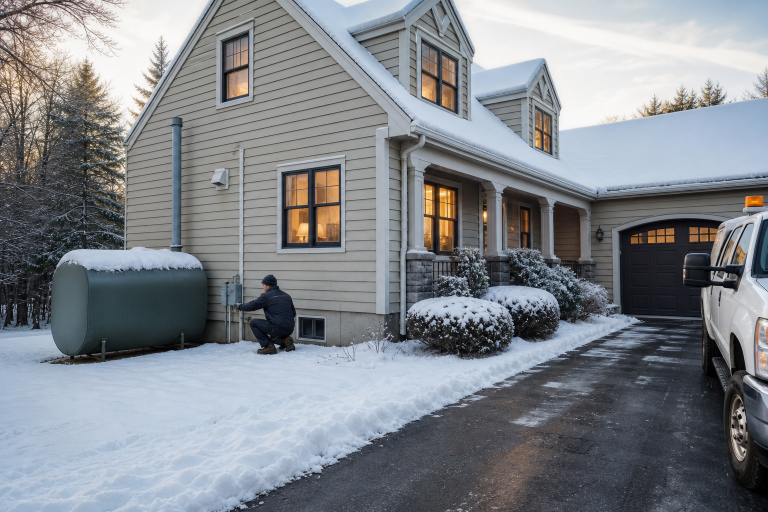
Households using heating oil, propane, pellets, or other delivered fuels should monitor their supply before the tank gets close to empty. Know your tank’s capacity and track approximate use during colder weeks. Consumption can rise quickly when temperatures drop, more people are home, or the house is losing heat through drafts.
- Record the gauge level regularly during the heating season.
- Ask about delivery timing before holidays or forecasted storms.
- Keep driveways, gates, and tank access clear for delivery vehicles.
- Review payment terms, emergency delivery availability, and cancellation policies.
- Do not assume last year’s fuel usage will match this year’s needs.
Inspect Tanks, Lines, and Vents
Visual inspections can help you spot concerns without touching or modifying fuel equipment. Check around accessible tanks and lines for wet spots, stains, rust, corrosion, damaged fittings, or unusual odors. If you smell fuel, notice a leak, or see visible damage, contact a qualified professional promptly rather than attempting a repair.
Outdoor vents and intake pipes also need attention after wind, snow, or ice. Keep them free of leaves, snow buildup, and other debris. Indoors, keep boxes, paper, paint, cleaning products, and other clutter away from heating equipment. Ask a local professional about rules that may apply to older, buried, or underground tanks.
Improve Home Energy Efficiency
Your heating system can only do so much if warm air escapes quickly. Small weatherproofing projects can improve comfort and reduce strain on the furnace or boiler. Start by sealing noticeable drafts around doors, windows, utility openings, and attic access points. Add weatherstripping where gaps are visible, and check insulation in attics, basements, crawlspaces, and other exposed areas.
- Insulate exposed pipes in cold sections of the home.
- Open curtains on sunny windows during the day when practical.
- Close curtains at night to reduce the chill from cold glass.
- Keep furniture, rugs, and curtains away from registers, radiators, and baseboard heaters.
- Address drafts before assuming the heating system is undersized.
Use the Thermostat Wisely
A steady, reasonable thermostat setting supports comfort and helps prevent unnecessary cycling. Set a comfortable daytime temperature, then consider a modest setback while sleeping or away if the home remains safe and comfortable. Programmable and smart thermostats can make this routine easier, but they should be set to your household schedule rather than constantly adjusted.
Replace thermostat batteries before winter if applicable, and keep the thermostat away from drafts, direct sun, cooking appliances, lamps, and other heat sources that can cause inaccurate readings. Avoid drastic temperature swings, which can leave rooms uncomfortable and encourage people to overcorrect repeatedly.
Watch for Warning Signs
Do not ignore unusual behavior simply because the system is still producing heat. Call for service if you notice repeated short cycling, uneven room temperatures, frequent resets, unexplained shutdowns, a sharp rise in fuel use, or persistent odors. Banging, grinding, rattling, whistling, visible soot, smoke, or discoloration near equipment also deserve prompt attention.
Prepare for Power Outages and Storms
Many heating systems need electricity for controls, pumps, fans, ignition, or thermostats. Before a storm, test smoke and carbon monoxide alarms, charge phones, and keep flashlights, batteries, blankets, and essential medications on hand. Know how to safely shut off the heating system if a leak or serious fault occurs.
Maintaining continuous power during severe winter storms is equally vital for keeping electronic ignition controls and circulating pumps running without interruption. Homeowners planning backup power solutions can consult specialists in generator installation in Charlotte to ensure essential heating hardware remains operational when grid failures occur during extreme weather events.
Never use an oven or stovetop to heat the home. If using a portable heater, place it on a stable surface away from bedding, curtains, furniture, and anything that can burn. The EPA’s winter weather safety guidance offers additional information about carbon monoxide, indoor air quality, and safer backup heating practices.
Create a Simple Heating Emergency Plan
- Check the thermostat and confirm it has power.
- Check the fuel level if your system uses delivered fuel.
- Look for a tripped breaker or an obvious power outage.
- Review the equipment manual before using any reset control.
- Do not repeatedly reset a burner, boiler, or furnace.
- Call a qualified heating professional if the problem continues.
- Move children, older adults, pets, and medically vulnerable household members to a warm, safe location if indoor temperatures fall quickly.
10. Build a Safer, More Reliable Winter Routine
Reliable winter heating comes from a routine of maintenance, fuel planning, weatherproofing, safety checks, and quick action when something seems wrong. A few practical tasks completed before severe weather can protect your equipment, improve comfort, and reduce the chance that a minor issue becomes a cold-weather emergency.
