


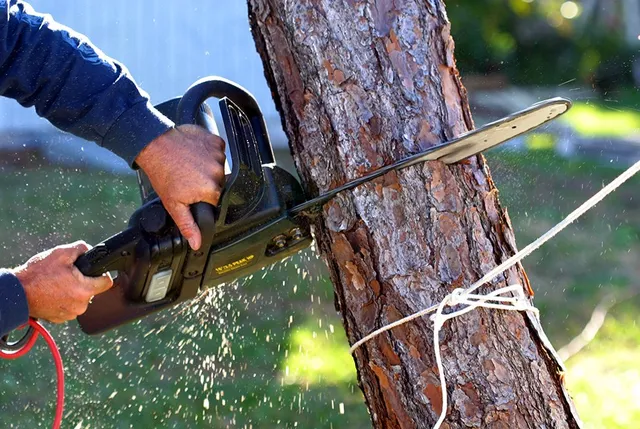
Maintaining healthy, well-cared-for trees is essential for preserving your property’s beauty, safety, and environmental value. Whether you need routine maintenance or a professional tree service in Mechanicsville & Southern Maryland, understanding how to make informed tree-care decisions can help prevent potential hazards and promote the long-term health of your landscape. For professional assistance, consider Empire Tree Services, a licensed and insured company based in Mechanicsville, MD, offering expert tree removal, trimming, and emergency services across Southern Maryland.
Recognizing When Your Trees Need Professional Attention
Identifying when a tree requires professional care is the first step toward maintaining a safe and healthy landscape. Signs that indicate the need for expert intervention include:
- Dead or hanging branches that could fall and cause injury or property damage.
- Visible cracks or splits in the trunk may suggest structural instability.
- Leaf discoloration or premature leaf drop are often signs of disease or pest infestation.
- Fungal growth at the base of the tree indicates potential root decay.
Addressing these issues promptly can prevent more significant problems down the line.
The Importance of Hiring Licensed Tree Experts
When it comes to tree care, hiring a licensed professional is not just a recommendation; it’s a necessity. In Maryland, only Licensed Tree Experts (LTEs) are legally permitted to perform tree trimming and removal services. These professionals have undergone rigorous training and certification processes to ensure they can safely and effectively manage tree care tasks. Engaging unlicensed contractors can lead to subpar work and potential legal complications. Always verify a contractor’s credentials before hiring.
Understanding Local Regulations and Permits
Before initiating any tree work, it’s essential to be aware of local regulations and permit requirements. In Maryland, the Roadside Tree Law requires a permit for any tree care work on or near public roads. This law aims to protect roadside trees and ensure that any maintenance or removal is conducted responsibly. Failing to obtain the necessary permits can result in fines and legal issues.
Additionally, neighborhood and homeowners’ association (HOA) requirements may also come into play, especially if your property is within a managed development. Some HOAs have strict guidelines about tree removal or landscaping changes, so be sure to review your community’s covenants or talk to your HOA board before making any decisions about tree work.
Tree Trimming vs. Tree Removal: Making the Right Choice
Deciding between trimming and removing a tree depends on several factors:
- Tree Trimming: Suitable for maintaining tree health, improving aesthetics, and preventing potential hazards. Regular trimming can address issues like overgrown branches or minor disease problems.
- Tree Removal: Necessary when a tree is dead, severely diseased, or poses a significant risk to property or safety. Removal is also considered when a tree interferes with new construction or landscaping plans.
Consulting with a licensed tree expert can help determine the best course of action for your specific situation.
Tree preservation is sometimes possible even when a tree appears to be a candidate for removal. Certified arborists may be able to provide treatments for disease or pest infestations, brace or cable weak limbs, and improve the root environment. These options may help you retain a mature tree, which provides valuable shade and environmental benefits long after treatment.
Seasonal Tree Care Practices
Tree care needs can vary with the seasons. In Southern Maryland, consider the following seasonal practices:
- Spring: Inspect trees for winter damage and begin pruning to encourage healthy growth.
- Summer: Monitor for signs of pests and diseases, and ensure adequate watering during dry spells.
- Fall: Remove dead or diseased branches and prepare trees for winter by mulching and watering as needed.
- Winter: Prune dormant trees to promote vigorous spring growth.
Also, keep an eye out for changing climate patterns, which have increased the prevalence of new pests and diseases in recent years. By staying attentive throughout the year and adjusting your care practices based on local weather and environmental alerts, you help fortify your trees against unforeseen health threats.
Adhering to these seasonal guidelines can enhance the health and longevity of your trees.
Frequently Asked Questions
How can I verify if a tree service contractor is licensed?
You can verify a contractor’s license by requesting their license number and cross-referencing it with the Maryland Department of Natural Resources’ online database.
What should I do if a tree on my property is near power lines?
For trees near power lines, it’s crucial to contact your local utility company or a licensed tree expert. Attempting to trim or remove such trees without professional assistance can be extremely dangerous.
Are there specific tree species that are more prone to disease in Southern Maryland?
Yes, certain species, such as American elms and ash trees, are more susceptible to diseases like Dutch elm disease and emerald ash borer infestations. Regular inspections can help detect and address these issues early.
Can I perform tree trimming or removal myself?
While minor trimming may be manageable, significant tree work should be left to licensed professionals to ensure safety and compliance with local regulations.
How often should I have my trees inspected?
It’s advisable to have your trees inspected annually by a licensed tree expert to identify and address potential issues before they become serious problems.
Benefits of Proactive Tree Care and Community Stewardship
Proactive tree care, such as early disease intervention, timely trimming, and routine health assessments, can save time and money while supporting the broader community’s environment. Healthy trees contribute shade, improve air quality, provide wildlife habitat, and increase property values. Additionally, responsible tree stewardship means reporting hazardous or diseased trees in public spaces to local authorities or your county’s parks department. Working together to care for both private and public trees in Mechanicsville and the greater Southern Maryland area helps preserve the community’s beauty, safety, and ecological health for generations to come.
By staying informed and proactive, residents of Mechanicsville and Southern Maryland can ensure their trees remain healthy, safe, and beautiful for years to come.
