


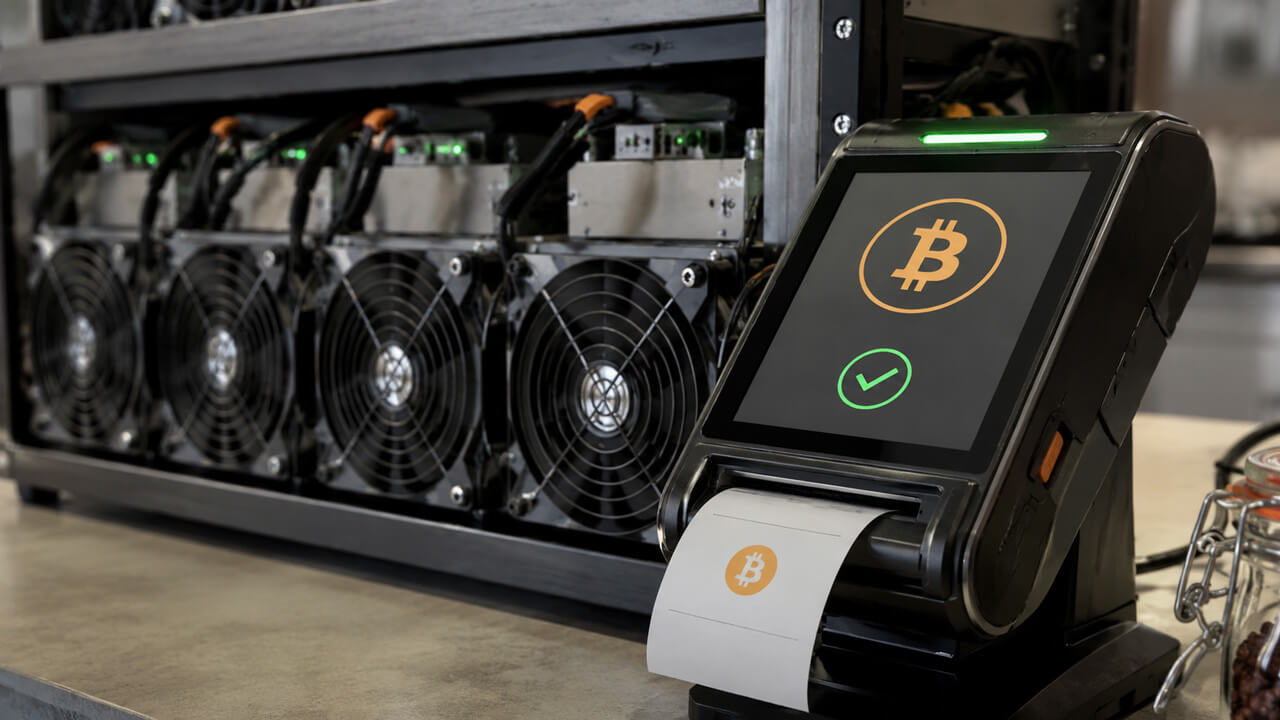
For a business accepting Bitcoin, the payment itself is only one part of the process. A customer may see a payment page, scan a QR code, and complete a transaction within minutes. On the business side, however, the transaction still needs to be identified, tracked, confirmed, and incorporated into the company’s broader financial operations.
This makes Bitcoin payment management different from simply adding another payment option to an online checkout. The process extends from the initial payment request to transaction monitoring, address management, and the handling of funds after a payment has been received.
The Checkout Is Only the Starting Point
The customer-facing checkout is the most visible stage of a Bitcoin payment. At this point, the business needs to present clear payment information and provide a practical way for the customer to initiate the transaction.
A Bitcoin payment gateway can connect this customer-facing experience with the underlying payment process. For businesses evaluating different approaches to accepting cryptocurrency, the resource offers another point of reference when considering how a Bitcoin payment gateway fits into the wider payment workflow.
Once the customer sends the payment, however, the checkout interface is no longer the main concern. The business needs to determine what has happened to the transaction and whether it can be treated as a completed payment.
What Happens After a Bitcoin Payment Is Sent?
Unlike a card payment, where the merchant typically receives a familiar payment status through the payment processor, a Bitcoin transaction is recorded on a public blockchain and progresses through its own confirmation process.
For a business, this means incoming transactions need to be detected and associated with the relevant payment. The company may need to distinguish between transactions, monitor their status, and determine when a payment has reached the required stage for its own operations.
This becomes more important when several payments are being received simultaneously. A manual approach may be manageable for occasional transactions, but it becomes increasingly difficult when cryptocurrency is part of a regular payment workflow.
The underlying payment software therefore needs to do more than display a wallet address. It needs to help the business maintain a clear picture of what is happening across its Bitcoin transactions.
From Individual Payments to Transaction Management
The operational picture changes considerably when a business handles a larger number of payments.
Instead of dealing with one transaction at a time, a company may need to manage numerous addresses, identify incoming payments, monitor different transaction flows, and keep relevant information organized in one environment.
Address management can be particularly important for businesses using cryptocurrency as a regular payment method. A large number of incoming transactions can create a corresponding need to structure and track the addresses associated with those transactions.
This is where business-oriented crypto wallet software can differ from a basic consumer wallet. The requirement is not simply to send or receive Bitcoin. The software may also need to support the operational structure around those transactions.
Why Wallet Architecture Matters
Wallet architecture can become increasingly relevant as the number of transactions and addresses grows. For business users, the way wallet components and blockchain-related processes are organized can influence how transactions are managed on a day-to-day basis.
BitHide is a self-hosted, non-custodial crypto wallet for businesses, with an architecture that separates the private key from the interface and the blockchain from the wallet. The software is installed on the client’s own server, while private keys, funds, and data remain under the client’s control.
This type of architecture is designed for business environments where crypto transactions form part of regular operations. BitHide also supports large numbers of addresses and includes its own explorers, making these capabilities relevant to businesses managing substantial volumes of blockchain activity.
The distinction between wallet components and blockchain processes can also provide a more structured basis for managing transactions. Rather than treating every payment as an isolated event, businesses can organize their wallet operations around the broader flow of blockchain activity.
Managing Funds After the Payment
A completed customer payment does not necessarily mark the end of the business process.
Once funds have entered the company’s crypto wallet environment, they may become part of a wider flow of transactions. Depending on the business model, funds may remain available for future operations, be transferred between addresses, or be used for other financial activities.
The way these movements are organized can matter just as much as the initial payment. A company may need to maintain a consistent view of incoming and outgoing transactions while keeping the underlying wallet operations aligned with its own processes.
This is particularly relevant for payment service providers, fintech companies, IT businesses, and financial-services companies whose activities can involve cryptocurrency transactions as part of regular operations.
From Payment Records to a Broader Transaction Flow
Another consideration is the relationship between blockchain activity and a company’s internal records.
A Bitcoin transaction exists on the blockchain, but the business may also need to associate it with an order, customer payment, internal operation, or another business event. Maintaining this connection becomes more challenging as the number of transactions grows.
A well-structured payment workflow can help separate these different layers. The checkout handles the customer-facing payment experience, blockchain data provides the record of the transaction, and transaction-management software can provide the operational layer between the two.
This broader view also explains why a Bitcoin payment gateway should not necessarily be considered the entire payment infrastructure of a business. The gateway may handle the point at which a customer pays, while additional software and processes can support what happens afterward.
Keeping the Full Payment Flow in View
Bitcoin payments are often viewed primarily through the customer experience because the checkout is the most visible part of the process. For businesses, however, the more involved work can begin after the payment has been initiated.
A transaction needs to be identified and monitored. Payment addresses may need to be managed across many transactions. Incoming funds become part of broader crypto flows, while blockchain activity may need to correspond with internal business records.
The result is a payment process that extends well beyond the checkout page. For businesses using Bitcoin on a regular basis, transaction management becomes an important part of the overall payment workflow.
A Bitcoin payment gateway can provide the starting point, but the operational journey continues after the customer has clicked “Pay.” Understanding that full journey can help businesses evaluate not only how they accept Bitcoin, but also how they intend to manage the transactions that follow.
