


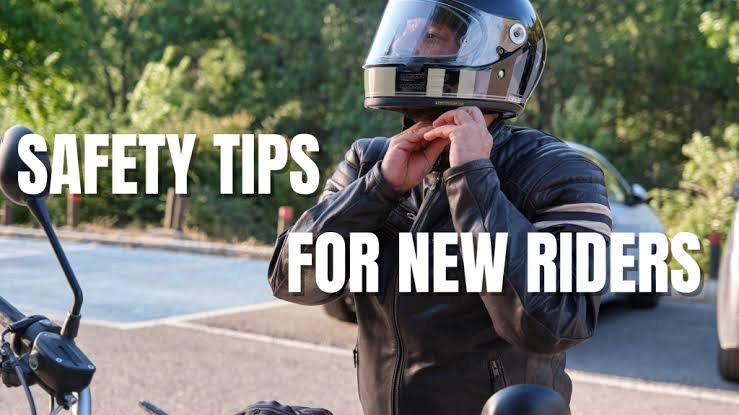
Motorcycling in New York offers exhilarating experiences, whether you are touring the scenic upstate regions or navigating the city’s busy streets. However, the thrill of riding comes with significant safety concerns due to diverse terrain and dense traffic. For those seeking to enjoy their journeys while staying protected, following essential safety guidelines is paramount. Riders can learn more about how to stay safe and handle the aftermath of an incident by seeking professional advice when needed.
Adhering to New York’s laws and recommended safety practices can significantly reduce your risk on the road. This comprehensive guide outlines the crucial steps every motorcyclist should follow to ensure safer rides across the state, regardless of experience level.
From understanding the unique risks riders face to picking out the right gear and embracing defensive driving techniques, these tips will improve both confidence and competence. Prioritize your well-being and make each trip memorable for the right reasons, not because of a preventable mishap on the road.
Understanding the Risks
Despite making up a small percentage of road users, motorcyclists are much more likely to suffer serious or fatal injuries in collisions compared to those in cars. In 2024, there were 6,228 motorcyclists killed—16% of all traffic fatalities. This alarming statistic is a reminder that vigilance and preparation are non-negotiable for every ride. Riders must be aware of the hazards unique to New York roads, including unpredictable urban drivers and sudden road debris. For a deeper understanding of motorcycle crash statistics across the US, visit the National Highway Traffic Safety Administration.
Essential Safety Gear
The right gear acts as your best defense against injuries. New York law requires every motorcyclist and passenger to wear a helmet. A U.S. Department of Transportation (DOT)-approved full-face helmet provides optimal protection, minimizing head and face injuries. Durable jackets and pants made from abrasion-resistant materials, padded gloves, and ankle-covering boots further enhance safety. Do not overlook eye protection, as goggles or a helmet visor shield your eyes from dust, insects, and weather. Quality gear can be life-changing in the unfortunate event of an accident.
Pre-Ride Checklist
Routine checks before you hit the road ensure your motorcycle is in peak condition. Start by inspecting your tires for correct pressure and sufficient tread depth, as these are essential for proper grip. Test both the front and rear brakes for uncompromised stopping power. Confirm that all lights and turn signals are functioning, which is especially vital for visibility in city traffic. Lastly, check all fluid levels to avoid unexpected mechanical failures. Consistent pre-ride maintenance not only preserves your machine but drastically improves your safety margins.
Defensive Riding Techniques
- Visibility: Wear clothing in bright colors or with reflective elements, and keep your headlight on, even during the day, to stay visible to other motorists.
- Maintain Distance: Always allow extra space between your motorcycle and the vehicle ahead to account for your longer braking distance and increased reaction time.
- Anticipate Hazards: Be alert to potholes, road debris, and unpredictable driver actions, especially in crowded areas or after inclement weather.
- Avoid Blind Spots: Position yourself where other drivers can clearly see you and avoid lingering alongside other vehicles.
Being proactive is your strongest defense on the road, helping to prevent common causes of motorcycle injuries.
Navigating New York Traffic
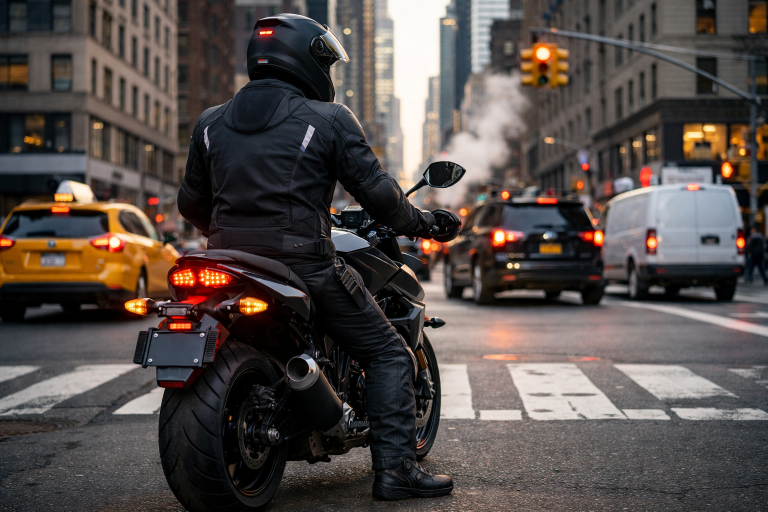
Traffic conditions vary greatly across New York. At busy intersections, remain patient and alert, since many motorcycle crashes occur where vehicles cross paths. Signal every turn well in advance to give surrounding drivers time to react. Avoid lane splitting, as it is illegal in New York and can increase the likelihood of serious injuries or collisions. Following posted speed limits, maintaining safe following distances, and staying visible to other motorists help reduce risk and create a safer riding environment for everyone on the road daily.
Weather Considerations
The weather in New York is unpredictable. Checking forecasts before you ride can help you prepare for sudden changes in conditions. Rain and wet roads reduce traction, making it harder to brake safely or avoid hazards. Slow down and increase your following distance in rainy or foggy weather. Dress in layers for warmth and flexibility as temperatures fluctuate. Practical adjustments to your riding when the weather shifts can significantly reduce risk levels. For up-to-date weather guidelines for motorcyclists, reference The Weather Channel.
Legal Requirements and Responsibilities
Every motorcyclist in New York should understand and follow all licensing, insurance, and registration requirements before riding on public roads. Obtaining the proper motorcycle license or endorsement by completing the required written and road tests demonstrates legal eligibility to operate a motorcycle safely. Riders must also maintain at least the state’s minimum liability insurance coverage and ensure their motorcycle registration remains current with a clearly displayed license plate. Staying compliant with these legal obligations helps reduce the risk of fines, registration issues, or insurance complications, while protecting your rights in the event of an accident or traffic incident.
Continuing Education and Training
Skill building should not stop once you get your license. New York State offers motorcycle safety courses that benefit both new and seasoned riders, combining classroom instruction with hands-on practice. Even experienced riders can hone their techniques in controlled environments, learning to handle emergencies, adverse conditions, and sudden obstacles. Pursuing ongoing education is one of the most effective ways to ride with confidence and competence.
By consistently applying these essential safety practices, motorcycle riders can confidently navigate New York’s roads while reducing the risk of accidents and unexpected hazards. Regular maintenance, defensive riding, compliance with traffic laws, and continuous skill development all contribute to a safer riding experience. Remaining aware of changing road conditions and respecting the rights of other motorists further strengthens overall road safety. Every responsible decision made before and during a ride helps protect not only the rider but also passengers, pedestrians, and everyone sharing the roadway.
