


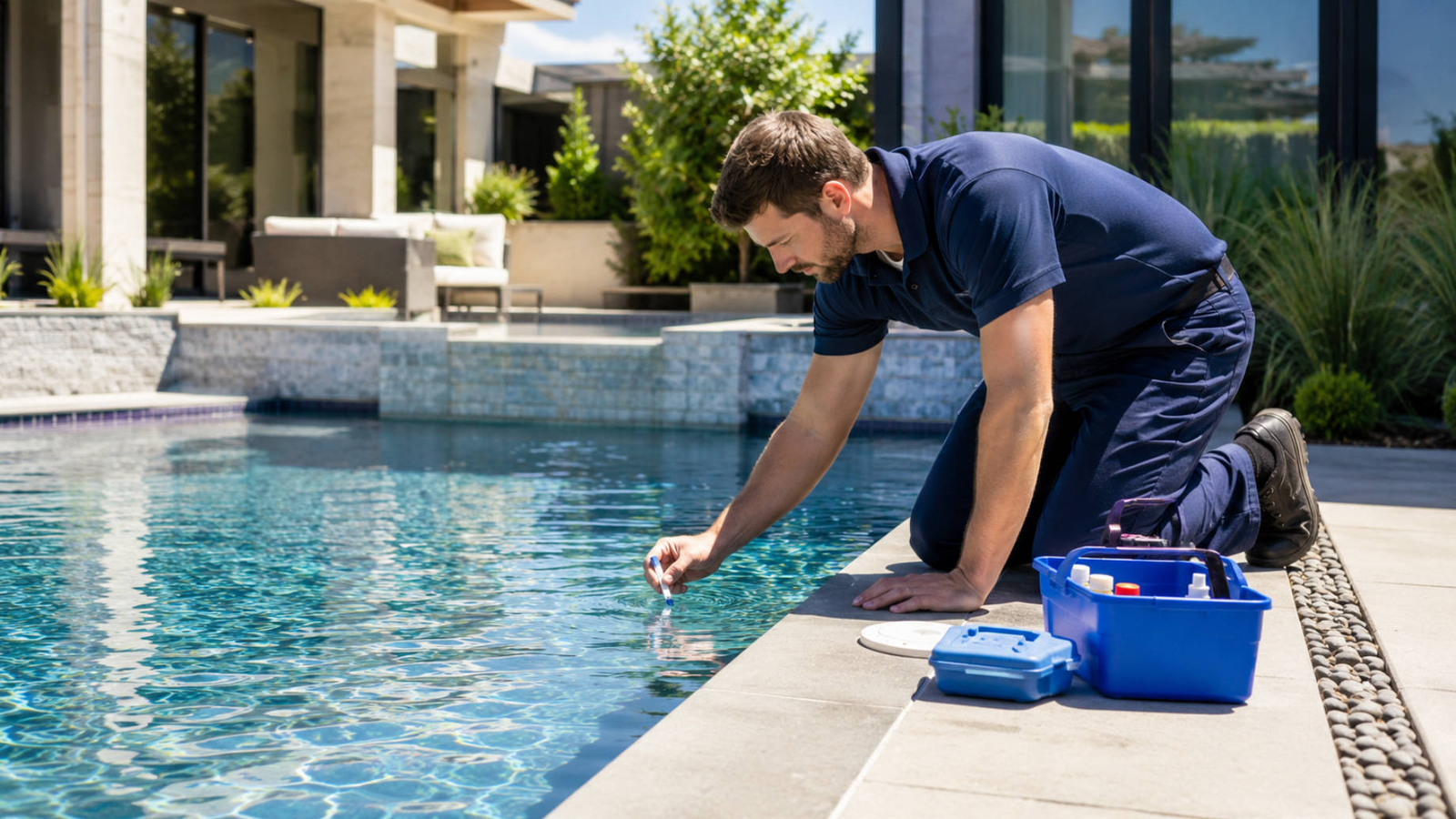
Building a swimming pool on a challenging property requires careful planning and thoughtful decisions before construction begins. Sloped land, limited space, drainage concerns, and existing structures can create obstacles that affect the entire process. Professional teams must evaluate each site’s conditions and develop solutions that fit the surroundings while protecting the property’s value. Modern pool projects often involve creative approaches that balance appearance, safety, and long-term performance.
Handling difficult locations requires more than basic construction methods, as every yard presents distinct demands that require attention from the earliest stages of design through the final installation for a successful result.
Navigating Challenging Pool Installation Requirements
- Managing Property Challenges
Creating a pool on a complex property starts with a detailed assessment of the land and surrounding environment. Uneven terrain, narrow access points, mature landscaping, and unusual layouts can affect how the project progresses. Installation teams study the ground slope, soil conditions, water movement, and available space to determine what adjustments are needed. A property with a steep incline may require retaining structures, careful excavation methods, or creative placement choices to achieve a stable result. Smaller yards may need designs that maximize available space without making the area feel crowded.
Existing features such as patios, fences, outdoor kitchens, or utility lines must also be considered before any digging begins. By reviewing these factors early, pool builders can reduce unexpected issues and streamline the construction process. This approach helps homeowners enjoy a pool that feels natural within the property rather than one that appears forced into an unsuitable location.
- Adapting Designs to Unique Spaces
Every property has its own characteristics, and successful pool projects depend on adapting the design to those conditions. Homeowners often want a certain style, but the land itself determines what options are practical. A narrow backyard may benefit from a streamlined pool shape, while a sloped area might support a design that follows the natural elevation changes. When researching pool installation services in Minneapolis, many homeowners look for providers who understand how local conditions influence planning, materials, and construction choices.
Climate patterns, soil behavior, and drainage needs can all affect how a pool should be built and maintained. A thoughtful design process considers both the visual goals and the functional requirements of the property. This balance allows the finished pool to complement the home while remaining durable through changing weather and everyday use. Careful adaptation can transform difficult spaces into enjoyable outdoor areas that add comfort and value.
- Solving Drainage and Ground Issues
Water management is one of the most important aspects of building a pool on complex terrain. Poor drainage can lead to erosion, standing water, soil shifting, and damage to nearby structures if not addressed properly. Installation teams examine how rainwater travels across the property and develop systems that guide moisture away from vulnerable areas. In some cases, this may involve grading adjustments, drainage channels, or additional support around the pool area. Soil stability is another concern because weak ground can create movement that affects the structure over time.
Proper preparation of the foundation helps prevent future complications and supports the pool’s long-term condition. These steps are especially important for properties with hills, heavy clay soil, or locations where water collects easily. Addressing these challenges during construction creates a stronger outcome and reduces the need for costly corrections later. A well-planned approach ensures the pool remains secure while the surrounding landscape stays protected.
- Working Around Existing Structures
Many properties already have features that complicate pool construction. Homes, garages, decks, trees, and underground systems can limit where a pool can be placed and how equipment can be installed. Careful coordination helps protect these existing elements while allowing the new pool area to blend into the property. Construction teams often adjust their methods to work within tight spaces, especially when access for machinery is limited. Protecting nearby structures during excavation is essential because accidental damage can increase costs and delay completion.
Thoughtful planning also includes considering future maintenance, ensuring there is enough room for cleaning, repairs, and equipment access. A pool should not only look appealing when finished but should also function well for years afterward. By respecting the property’s existing layout, builders can create an outdoor feature that enhances the home without disrupting the features homeowners already enjoy.
- Improving Access and Construction Efficiency
Difficult properties often create challenges related to transportation, equipment placement, and construction timing. A backyard behind a small passageway or a home located on uneven ground may require different approaches for moving materials and tools. Installation teams plan how workers and equipment will reach the site while minimizing disruption to the surrounding area. Efficient scheduling is also important because complex locations may require additional preparation before main construction begins. Protecting gardens, walkways, and neighboring spaces requires careful movement throughout the process.
Communication between the property owner and the installation team helps identify concerns early and keeps expectations realistic. These efforts contribute to a more organized project where each stage follows a clear path. Even when a property appears difficult at first, proper preparation can turn limitations into manageable details and create a finished pool area that feels comfortable, attractive, and practical.
- Creating Lasting Outdoor Improvements
A well-built pool should provide enjoyment while fitting naturally into the property’s overall design. Complex sites require attention to details that affect appearance, stability, and everyday use. Features such as lighting, surrounding surfaces, landscaping, and seating areas must work together with the pool structure to create a balanced outdoor environment. Planning for long-term needs is just as important as completing the initial construction because homeowners want a space that remains useful and appealing over time. Materials, placement choices, and support systems all influence how the pool performs through seasonal changes.
A careful process helps avoid issues that could reduce comfort or require frequent adjustments. When challenging property conditions are handled properly, the result can be a relaxing retreat that feels like a natural extension of the home. Thoughtful construction transforms difficult spaces into functional areas where families can gather and create lasting memories.
Complex property conditions do not have to prevent homeowners from achieving their dream outdoor space. With careful evaluation, thoughtful design, and reliable construction methods, even difficult locations can support attractive and durable pools. Slopes, drainage concerns, limited access, and existing structures require attention, but they can be managed through proper preparation and planning. A successful pool project depends on understanding the land and creating solutions that respect the property’s unique features.
When every detail is considered from the beginning, the finished result becomes more than a simple addition. It becomes a comfortable outdoor environment that improves daily living and long-term enjoyment.
